A gaming resort is the most demanding FF&E environment in hospitality, and the reason is operating hours. A hotel’s public areas rest; a gaming floor does not. Carpet, seating and finishes on a 24-hour floor accumulate in one year the wear that a hotel lobby accumulates in three, while sitting under a regulatory regime that constrains what can be changed and when. Procurement decisions that would be marginal on a hotel become structural here.
This guide is for developers, operators and main contractors delivering casino and gaming resort projects who are evaluating Chinese suppliers for the FF&E and building materials scope. It sets out which parts of the scope are genuinely suited to direct China procurement, which are not, and what the regulatory environment does to the programme.
What is different about a gaming project, in procurement terms?
Continuous operation. Nothing closes for refurbishment. Replacement happens in live sections behind hoarding, at night, in phases — which means matching becomes a permanent requirement rather than a one-time one. Dye lot, finish batch and profile continuity have to be manageable years after the original order, and that is a supplier-relationship question as much as a product question.
Regulatory scope. Gaming regulators concern themselves with the gaming equipment, the surveillance system, the count room and the areas where money moves. This is a genuine constraint on part of the project — but only part. The scope split matters enormously and is frequently misunderstood, so it is worth stating clearly: the gaming equipment and systems layer is regulated and is not a China sourcing category; the hospitality layer around it is ordinary hospitality FF&E.
Surveillance-driven design. Sightline requirements shape ceiling design, lighting and the height of any fixed element on the floor. This means finishes and fixtures on a gaming floor are frequently constrained by a discipline that has nothing to do with design intent, and late substitutions can break a surveillance coverage plan that was approved months earlier.
Fire and life safety at high occupant load. Large, continuously occupied assembly spaces sit at the strict end of the fire code in every jurisdiction. The flame spread performance of wall and ceiling finishes, the fire performance of upholstered seating, and the documentation trail behind both are subject to genuine scrutiny at handover. Our guides to FF&E fire safety certificates from China and fire and life-safety documents at handover cover how that evidence chain has to be assembled.
Sourcing this for a commercial project?
FBM Sourcing works with project owners, developers, main contractors and FF&E contractors on hotel, apartment, school, office and other commercial building projects. Send us your BOQ, drawings or product list — our team will review it and get back to you.
Which parts of the scope suit China procurement, and which do not
Well suited
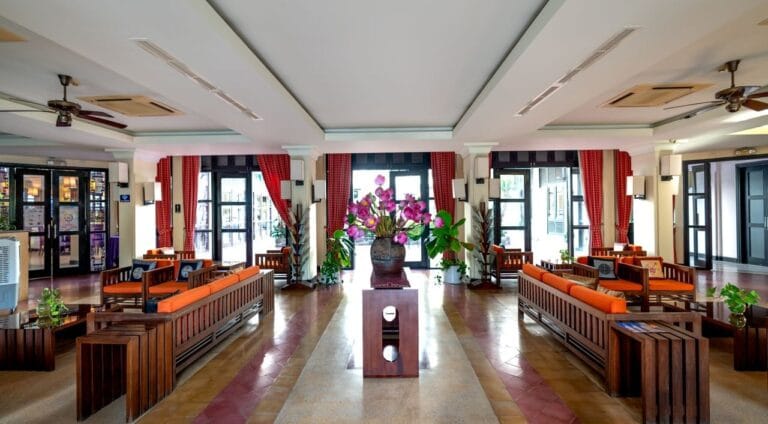
Hotel tower FF&E. Guest rooms in a gaming resort are guest rooms; the category behaves exactly as it does on any hotel project and is one of the most established China procurement categories there is. Our overview of hotel furniture manufacturers in China applies directly.
Food and beverage fit-out. A gaming resort carries an unusually high count of F&B outlets, and the furniture, seating and joinery for them are standard categories with deep Chinese capability. Our guide to restaurant booth and banquette seating manufacturers covers the highest-volume item.
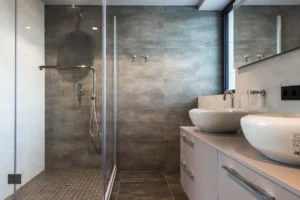
Building materials and architectural finishes. Stone, tile, metalwork, glass, doors and ceiling systems — the whole architectural package — are mainstream China procurement categories, subject to the same certification verification any project requires.
Back of house. The largest and least glamorous part of the scope, and often the best value in a China package because it is specified functionally rather than aesthetically.
Not suited, and should not be attempted
Gaming equipment and systems. Slot machines, table layouts, chip handling, the management system and anything connected to it sit inside the regulatory perimeter. These come from licensed suppliers approved by the relevant regulator, and no cost argument changes that.
Surveillance systems. Camera coverage, recording and storage are regulated infrastructure in most gaming jurisdictions, with supplier approval requirements attached.
Anything the regulator must approve by supplier. Where a jurisdiction maintains an approved-supplier list for a category, that list governs and the sourcing question is closed.
The practical consequence is that a gaming project’s China scope is large but bounded, and drawing the boundary correctly at the start prevents a category being carried through procurement only to be rejected at approval.
The categories where gaming specifications genuinely differ
Carpet
Gaming floor carpet is the highest-wear soft flooring in commercial interiors, and it is specified accordingly: heavy contract construction, a pattern and colourway chosen partly for soil concealment, and — critically — the ability to obtain a matching replacement batch years later. Ask about dye lot retention and minimum reorder quantity before the first order, because the second order is the one that matters.
Gaming and bar seating
Chairs on a gaming floor are occupied for long sessions by users of widely varying weight, adjusted constantly, and cleaned frequently. The specification items are the same as any contract seating — frame, foam, suspension, fabric — but at the demanding end of each, and the fabric is usually chosen for cleanability first. Our comparison of fabric versus vinyl upholstery for commercial seating covers that trade-off directly, and the contract-grade upholstery fabric guide covers performance thresholds.
Lighting
Gaming floors run dense decorative lighting continuously, which changes the economics: lamp life and driver quality dominate, and a fitting specified on capital cost alone generates a maintenance programme that outlives the saving. Fittings must also comply with the electrical approval regime of the destination market, which is a per-market requirement and not a general one.
Wall and ceiling finishes
Flame spread performance on large assembly spaces is a code requirement with real enforcement. Decorative panels, acoustic treatments and feature finishes all need evidence against the class required by the project’s code — and evidence generated for another market’s test method does not transfer.
How the programme actually runs
Gaming projects are opening-date driven in a way even hotels are not, because the licence, the marketing and frequently the financing are tied to a date. Three procurement consequences follow.
Phasing is normal and must be planned for. Sections open before the whole property does. That means the FF&E package is delivered in tranches rather than as one shipment, which affects how orders are placed and how containers are consolidated.
Attic stock is not optional. Because the floor never closes, replacement happens continuously from stock. Carpet, seating, and finish materials should be ordered with a defined surplus held on site. Deciding this after the original order has shipped means a second production run, a second minimum quantity and a possible batch mismatch.
Approval gates sit upstream of production. Where a regulator or a design review board must approve a finish or a layout, the approval releases the factory. Our comparison of how approval gates differ by region covers why this reorders the whole programme, and the same logic applies wherever a gaming regulator sits in the chain.
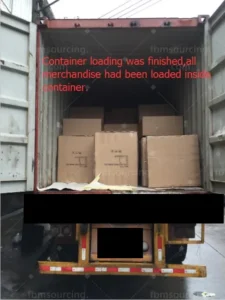
On the logistics side, a resort package spans furniture, finishes, lighting and back-of-house equipment with very different densities, which makes consolidation planning material rather than incidental — see our note on mixed container consolidation.
Sourcing this for a commercial project?
FBM Sourcing works with project owners, developers, main contractors and FF&E contractors on hotel, apartment, school, office and other commercial building projects. Send us your BOQ, drawings or product list — our team will review it and get back to you.
Frequently asked questions
Can gaming equipment be sourced from China?
Gaming machines, table systems and anything the regulator licenses come from approved suppliers under the rules of the jurisdiction, and that is not a procurement decision open to reconsideration. The hospitality and building scope around the gaming floor is a different matter and is an ordinary China procurement package.
What certification do finishes need on a casino project?
Whatever the project’s governing building code requires for the occupancy class, which for large assembly spaces is typically at the strict end of the flame spread and fire performance range. The requirement comes from the destination jurisdiction’s code, and evidence has to be against the test method that code names.
How much attic stock should be ordered?
Enough to cover replacement in the high-wear areas for a defined operating period — the figure comes from the operator’s replacement planning rather than from a general rule. What matters more than the exact quantity is that it is ordered with the original production run, so that it matches.
Is carpet worth sourcing from China for a gaming floor?
It can be, provided the reorder question is settled first. Gaming carpet is a long-term relationship purchase because matching replacement batches will be needed for years. Establish minimum reorder quantity, dye lot retention and lead time for a repeat order before placing the first one.
Does a gaming project need a different supplier base from a hotel project?
For the hospitality scope, largely the same supplier base applies, with the specification set at the demanding end. What changes is not who makes it but what is asked of the specification and the documentation, and the requirement to support replacement supply over the operating life.
Working with FBM Sourcing on a gaming resort package
FBM Sourcing has been sourcing building materials and FF&E from China since 2014, and has shipped more than 1,000 containers for project buyers in over 20 countries. On resort projects our role is to draw the boundary between the regulated scope and the procurable scope clearly at the start, hold specification at the level continuous operation requires, plan attic stock and phasing with the order rather than after it, and inspect before shipment.
If you have a resort or large hospitality project coming up, send the scope and specification through our project procurement enquiry page and we will review it and come back to you.