
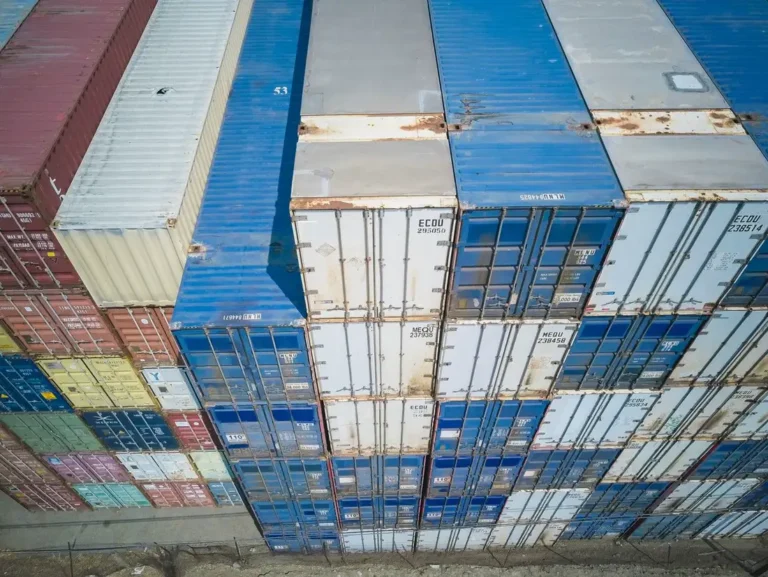
According to FBM Sourcing’s client guide, one sourcing agent can cover the whole building materials and FF&E package of an overseas construction project. The guide names six product groups (doors and windows, cabinets, tiles and stone, sanitary ware, lighting and furniture) and states that “Everything in a project’s building materials and FF&E package is in scope”.
This article sets out what the guide says about those categories: which ones it names, how categories of one project share containers, what changes from one category to the next, and where the guide stops. Everything attributed to the guide is as read on 9 November 2026.
The Product Groups the Guide Names
The guide’s first answer, “What does FBM Sourcing do?”, describes the work as managing “the entire China procurement package for overseas construction projects: building materials and FF&E — doors and windows, cabinets, tiles and stone, sanitary ware, lighting, furniture”. Its answer on scope, “What is in scope? Do you make bespoke items?”, reads: “Everything in a project’s building materials and FF&E package is in scope, and bespoke is the norm — cabinets, doors and windows, railings and furniture are made to your drawings.” For clients it already works with, it adds: “we source whatever else the project needs”.
Other products appear in the guide’s answers on specific topics, without a separate scope list:
- cabinets and wardrobes, aluminium and glass doors and windows, and entry doors, for which the guide says e-catalogues can be sent to choose styles;
- railings, which the guide lists with cabinets, doors and windows, and furniture as made to your drawings, and which it uses in its examples of drawings and lists to send;
- millwork, for which the factory also provides 3D drawings;
- solar systems, which the guide mentions when it discusses certification and remote support from the factory’s engineers.
The Sourcing Guide on this site opens in the same terms: since 2014, FBM Sourcing has managed China procurement for overseas construction projects.
How Categories of One Project Share Containers
The guide’s minimum order is a full container, and it answers in terms of categories: “A full container. On a large project one category alone can fill many containers; often categories of the same project share containers; and in one batch we can combine a dozen categories from several projects of the same client into a few containers — always full, and routine for us.” It adds that FBM Sourcing does not ship loose cargo, shared containers or e-commerce single units.
Our reading, not a quotation from the guide: the guide uses “shared containers” in the list of things it does not ship and also says categories of the same project share containers, so in its wording a full container filled by several categories of one project is a different thing from a shared container.
On paperwork, the guide says the PI carries the container plan and the loading report shows what went into each container. Cabinets and windows can have their volume estimated before you order. For a full project of a hundred items the estimates come after the order, “when every factory reports, and exact CBM and weight are known once production is finished”. A separate article covers synchronized multi-category delivery for hotel projects.
What Changes From One Category to Another
- Custom or standard. For custom products such as cabinets, aluminium doors and windows, railings and custom furniture, the factory makes 2D drawings, and 3D for millwork, with a detailed material list, going back and forth with you until you sign off before production. For non-custom products the guide says there is no drawing stage.
- Catalogue or not. The guide says FBM Sourcing is not a supplier with a range, so it has no price list. For cabinets and wardrobes, aluminium and glass doors and windows, and entry doors it can send e-catalogues to choose styles once it knows your requirements. How product selection works without a catalogue has the detail.
- Factory type. The guide says production lines are specialised and gives sanitary ware as its example: accessories, faucets, ceramic toilets, basins and bathtubs “are five different factory types, and we deal with each one”. Before working with a factory it looks at the production line for the product it intends to buy, and “if it makes A and resells B, we use it for A only”. A separate article looks at how specialised China’s building materials and furniture supply chain is.
- Certificates. The guide says the first step in choosing a factory is checking that it holds the test reports or certifications for that specific product, confirmed before quoting. Its examples: for aluminium windows and doors, NFRC in the US, Florida hurricane approvals for hurricane zones and AS 2047 in Australia; for sanitary ware, cUPC in North America and WaterMark in Australia; for US-code markets, UL for fire-rated steel and wood doors and for solar systems. See which test reports and certificates a project needs.
- Warranty. For products FBM Sourcing sources, the guide says every product carries a warranty period stated on the PI, “varying by category”.
Our reading, not a quotation from the guide: in these answers the category is the unit that decides the process. It decides whether there is a drawing stage, which type of factory is looked for, which certificates are asked for and how long the warranty period is, while the documents and the counterparty stay with one company across categories.
Sourcing this for a commercial project?
FBM Sourcing manages the entire China procurement package for overseas construction projects. We work with Developers · General Contractors · Builders · Commercial Project Owners · Interior Design & Construction Companies · FF&E Solution Providers. Send your BOQ, drawings or product schedule for review.
How a Project With Many Categories Is Started
The guide says a project usually has a hundred or more categories, and prices for the same category vary widely, so for a new client it does not start with “a massive comparison quotation”. Where the project fits the service, it can price one category first as a reference; if quality and price fit, it continues with the rest. It adds that it helps most if you tell it your budget range.
For company clients the guide says FBM Sourcing can also take the product list off your plans, room by room, and that the more precise your list, the more precise its match: window drawings with a requirement list, railing drawings with a list, a sanitary schedule with specifications and reference links. See how to send a BOQ or drawings to a China sourcing agent and whether a sourcing agent quotes before you visit.
Two more points from the guide. Many clients start with one category, or a trial order of one or two containers. And once a category has been bought from a factory, the guide says FBM Sourcing keeps it for your following projects so quality stays consistent, while it keeps widening the supply chain behind the scenes and agrees any change with you in advance.
Where the Guide Stops, and What This Article Leaves Out
- The guide gives no list of products outside its scope and no count of the categories it supports. What it gives are the six named groups, the other products above and the sentence about clients it already works with.
- Our reading, not a quotation from the guide: for a product that is not named, the guide’s own starting point is the project list. It asks for drawings, a product list or BOQ with quantities, reference photos, links or a finish schedule, and where your project is.
- The guide’s clients are companies buying for a project. Who FBM Sourcing’s service is built for covers that definition.
- Whether a one-stop supplier or an agent suits a project better is a separate question: see sourcing agent vs one-stop supplier in China and one-stop building material suppliers in China.
- Prices and lead times are not covered here.
- Every statement attributed to the guide is as read on 9 November 2026.
Questions About Product Categories
Which product groups does FBM Sourcing’s client guide name?
Doors and windows, cabinets, tiles and stone, sanitary ware, lighting and furniture, described as building materials and FF&E for overseas construction projects. The guide also mentions wardrobes, entry doors, railings, millwork and solar systems in its answers on specific topics.
Does the guide say everything in a project is in scope?
It says: “Everything in a project’s building materials and FF&E package is in scope, and bespoke is the norm.” For clients it already works with, it adds that it sources “whatever else the project needs”.
Can several categories go in one container?
According to the guide, often yes: categories of the same project share containers, and the container is always full. The minimum order is a full container, and FBM Sourcing does not ship loose cargo, shared containers or e-commerce single units.
Can a project start with one category?
According to the guide, yes. Many clients start with one category, or a trial order of one or two containers, and for a new client whose project fits the service, FBM Sourcing can price one category first as a reference.
Do all categories need drawings?
According to the guide, no. Custom products such as cabinets, aluminium doors and windows, railings and custom furniture go through factory drawings that you sign off before production, with 3D for millwork. Non-custom products have no drawing stage.
Does the guide cover products it does not name?
It gives no list of excluded products and no count of supported categories. Its stated starting point is your project list: drawings, a product list or BOQ with quantities, reference photos, links or a finish schedule, and where the project is.
How does FBM Sourcing charge for this?
For suppliers you nominate, we charge a 5% commission; for products we source for you, we quote a direct price. Our own team performs one inspection after bulk production is complete and before shipment, and the client’s project team is welcome to attend.
FBM Sourcing manages the entire China procurement package for overseas construction projects. We work with Developers · General Contractors · Builders · Commercial Project Owners · Interior Design & Construction Companies · FF&E Solution Providers.





