Contract-grade upholstery fabric for hotel furniture is defined by four measurable specifications, not by look or feel: abrasion resistance of at least 40,000 Martindale cycles (or roughly 15,000 Wyzenbeek double rubs) for general contract use, rising to 100,000+ for heavy-traffic lobby seating; flammability certification to the destination standard — CAL TB 117-2013 in the US, BS 7176 in the UK, EN 1021-1/-2 in the EU; colorfastness of grade 4 or better; and a cleanability spec appropriate to the area. Everything else — colour, texture, hand — is a design decision layered on top of those four numbers. On projects like this, FBM Sourcing works as your dedicated sourcing partner.
This guide explains each specification, which standard applies in which market, and how the fabric decision actually gets executed when hotel furniture is manufactured in China — where the upholstery mill and the furniture factory are usually two different companies.
- Abrasion: 25,000–40,000 Martindale cycles for guest room seating; 40,000+ for restaurants and meeting areas; 100,000+ for lobby and 24-hour spaces.
- Flammability: CAL TB 117-2013 (US), BS 7176 Medium Hazard (UK hotels), EN 1021-1 and -2 (EU), NFPA 260 (US commercial furniture).
- Colorfastness: ISO 105 ratings of grade 4+ for rubbing and light in hospitality use.
- Pilling: ISO 12945 grade 3–4 minimum for woven contract fabrics.
- Faux leather: specify hydrolysis-tested PU or PVC for humid climates and cleaning-chemical exposure.
What Does Contract-Grade Actually Mean?
Residential upholstery fabric is engineered for a family; contract fabric is engineered for continuous public use and industrial cleaning. The gap is large: typical residential fabrics test at 6,000–15,000 double rubs, while contract standards start at roughly double that and hospitality common-area specifications run five to ten times higher. Contract fabrics are also tested and documented — each specification ships with a mill test report covering abrasion, flammability, colorfastness, pilling and seam slippage, which becomes part of the project’s compliance file.
This is the same logic that separates commercial-grade from residential furniture generally: the frame, foam and fabric are each specified against measurable wear standards because a hotel chair takes more use in one year than a domestic chair takes in ten.
Abrasion Resistance: Martindale and Wyzenbeek Explained
Two test methods dominate. The Martindale test (ISO 12947, used across Europe, Asia and Australia) rubs the fabric in a figure-eight motion and reports cycles to yarn breakage; the Wyzenbeek test (ASTM D4157, used in North America) rubs back and forth and reports double rubs. They do not convert precisely, but as working equivalence: 40,000 Martindale cycles sits near 15,000 Wyzenbeek double rubs, the common floor for general contract use.
Specify by area, not by a single number for the whole hotel:
- Guest room occasional chairs and headboards: 25,000–40,000 Martindale — moderate use, high turnover of cleaning.
- Restaurant, bar and meeting seating: 40,000–70,000 Martindale — daily continuous use plus food and cleaning-agent exposure.
- Lobby and 24-hour public seating: 100,000+ Martindale — the highest-wear positions in the building.
Over-specifying everything to 100,000 cycles wastes budget on guest rooms; under-specifying the lobby produces visible wear within the first operating year. Our guide to hotel FF&E durability standards covers how abrasion sits alongside the other wear tests.
Which Flammability Standards Apply to Hotel Upholstery?
Flammability is destination-driven and non-negotiable, and the standard must be fixed before the fabric is milled, because compliance can come from the fabric itself, a barrier interliner, or the fabric-plus-foam composite:
- United States: CAL TB 117-2013 is the baseline smolder-resistance standard for upholstered furniture; NFPA 260 classifies components for commercial furniture programs.
- United Kingdom: BS 7176 governs upholstered furniture for non-domestic use; hotels are normally specified as Medium Hazard, which tests the composite against both cigarette and match-flame ignition sources.
- European Union: EN 1021-1 (smoldering cigarette) and EN 1021-2 (match-flame equivalent) are the reference ignition tests for contract furniture.
- Australia/NZ: AS/NZS 1530.3 and operator-specific FF&E standards apply; confirm per brand standard.
The factory’s laboratory test reports for the exact fabric batch and composite build should be collected into the project compliance file — a report for a similar fabric from last year is not evidence for this order.
Sourcing this for a commercial project?
FBM Sourcing works with project owners, developers, main contractors and FF&E contractors on hotel, apartment, school, office and other commercial building projects. Send us your BOQ, drawings or product list — our team will review it and get back to you.
Cleanability, Colorfastness and Performance Finishes
Hotels clean upholstery with chemicals and machines, so the specification must survive the housekeeping regime, not just the guests. The measurable items: colorfastness to rubbing (wet and dry) and to light of ISO 105 grade 4 or better; pilling resistance of ISO 12945 grade 3–4 minimum; and seam slippage tested on the actual upholstered seam construction. Performance finishes — stain-release, moisture-barrier, antimicrobial — are common in hospitality lines, and boutique specifiers should confirm the finish survives the stated number of cleaning cycles rather than accepting the marketing name.
For faux leather, the critical hidden spec is hydrolysis resistance: standard PU coatings can delaminate within a few years in humid climates or under alcohol-based cleaners, while hydrolysis-rated PU and marine-grade PVC are engineered for 5+ year hospitality service. Restaurant and bar seating is where this failure shows first — a point we cover in detail in buying restaurant booths and banquette seating from China.
How Do You Source Contract Fabric Through a Chinese Furniture Factory?
In China the upholstery mill and the furniture factory are almost always separate businesses. Woven and velvet contract fabrics concentrate in Zhejiang’s textile belt — Haining is the country’s warp-knit and velvet hub — while coated fabrics and performance textiles cluster in Jiangsu and Guangdong. A furniture factory will quote either its own mill program (fabrics it buys regularly, fastest and cheapest) or customer’s own material (COM), where the buyer or their agent nominates the exact fabric and the factory quotes labour and yield.
The execution sequence that protects a hotel project:
- Fix the fabric specification (abrasion, flammability composite, colorfastness, finish) per area before furniture pricing — fabric is typically 20–40% of an upholstered piece’s ex-works cost, so open fabric = open price.
- Approve a physical fabric sample and a fully upholstered prototype, not a digital swatch.
- Require the mill’s batch test report with each production run, and hold a reference sample against which production is checked.
- Plan fabric lead time separately: contract mills typically run 15–25 days for a custom colourway, before upholstery production starts.
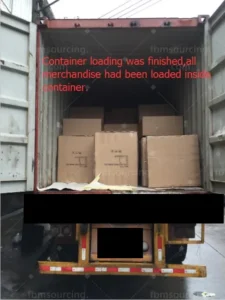
A furniture sourcing agent manages exactly this chain — mill nomination, prototype approval, and pre-shipment inspection. At FBM Sourcing, all inspections are carried out by our own team at the mill and the furniture factory, before shipment, with photo and video records delivered to the client, and the fabric decision is locked into the same specification file used for OEM and custom-made project furniture.
At a Glance: Fabric Specification by Hotel Area
| Area | Abrasion (Martindale) | Flammability (typical) | Other Priorities |
|---|---|---|---|
| Guest room chairs, headboards | 25,000–40,000 | CAL TB 117-2013 / EN 1021-1 | Light fastness, stain-release finish |
| Restaurant & bar seating | 40,000–70,000 | BS 7176 Medium Hazard / EN 1021-1&2 | Cleanability, hydrolysis-rated faux leather |
| Lobby & 24-hour seating | 100,000+ | BS 7176 Medium Hazard / NFPA 260 | Pilling grade 4, seam strength |
| Meeting & conference | 40,000–60,000 | EN 1021-1&2 / CAL TB 117-2013 | Colour consistency across batches |
Which Fabric Types Hold Up Best in Hospitality Use?
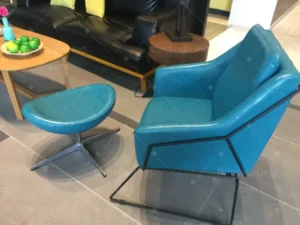
Once the numbers are fixed, the fibre and construction choice determines how the fabric ages. High-tenacity polyester dominates contract upholstery for a reason: it takes high abrasion ratings economically, holds dye well and accepts performance finishes. Contract velvets — almost all polyester rather than cotton in hospitality — can test at 60,000–100,000 Martindale cycles while reading as a luxury surface, which is why they carry so much boutique-hotel design. Bouclé and heavy textured weaves photograph beautifully but need scrutiny on two numbers: pilling grade and seam slippage, because loop-pile constructions snag and migrate at seams under commercial use. Wool blends offer natural flame performance and a premium hand at a higher price point, and chenilles need backing coatings confirmed to prevent yarn shift.
Batch behaviour matters as much as fibre. Dye lots vary, and a hotel ordering 400 lounge chairs across two production phases must either buy all fabric in one dyed batch up front or accept a documented commercial tolerance between lots. The disciplined route for phased projects is to reserve mill stock from a single dye lot at order one, hold it at the mill or factory, and draw it down for later phases — a detail that costs nothing to arrange at the start and is unfixable after phase two arrives visibly different from phase one.
Where the fabric decision sits inside a wider seating package, our guide to commercial upholstered furniture manufacturers in China for hospitality projects explains how the four factory types differ and which one suits which project.
One more spec worth writing into every hospitality fabric order: the light-fastness requirement doubles in importance for any seating placed near full-height glazing or outdoor-adjacent lounges. A fabric that meets grade 4 to ISO 105-B02 will still shift noticeably after two or three years in a west-facing window line; moving those positions to grade 5–6 or to solution-dyed fibres is the standard fix, and it is far cheaper specified up front than reupholstered later.
Frequently Asked Questions
What Martindale rating do I need for hotel furniture fabric?
Specify 25,000–40,000 Martindale cycles for guest room seating, 40,000–70,000 for restaurant and meeting areas, and 100,000+ for lobby and 24-hour public seating. The common contract floor of 40,000 Martindale corresponds to roughly 15,000 Wyzenbeek double rubs.
Which flammability standard applies to hotel upholstery?
It depends on destination: CAL TB 117-2013 in the US, BS 7176 Medium Hazard in the UK, and EN 1021-1/-2 in the EU. Compliance can sit in the fabric, a barrier interliner or the fabric-foam composite, so the standard must be fixed before production.
Can I nominate my own fabric for furniture made in China?
Yes — factories quote customer’s own material (COM) alongside their mill programs. Nominate the exact fabric article and colourway, approve an upholstered prototype, and require the mill’s batch test report with each production run. Custom colourways typically add 15–25 days of mill lead time.
How much of an upholstered chair’s cost is the fabric?
Fabric typically represents 20–40% of an upholstered piece’s ex-works cost depending on grade and pattern yield, which is why the fabric specification must be fixed before furniture prices are compared.
Fabric choice is only half of a UK contract specification — the frame has to be tested too. See FIRA testing and the BS EN standards for furniture on UK projects.
If you intend to supply the fabric yourself rather than take the factory range, see what COM and COL mean when supplying your own fabric for contract upholstery from China for how yardage is calculated and where the risk sits.
The cover is only half of the specification. The cushion underneath carries its own set of named standards for density, hardness, resilience and fatigue, and in most markets it is the foam-and-cover composite, not the fabric alone, that has to pass the fire test. For the properties to put on that line, see our guide to upholstery foam density for contract seating.
Get a China Procurement Quote for Your Project
Specifying upholstered furniture for a hotel, restaurant or apartment project? Send FBM Sourcing your drawings, area schedule and destination country. We will fix the fabric specifications per area, nominate mills and factories, and quote the full package on a 5% commission for suppliers you nominate (products we source for you are quoted at a direct price) — with prototypes approved before production and every inspection performed by our own team at the factory before shipment, with photo and video records. Use the quote button above or WhatsApp +86 135 6007 5057.