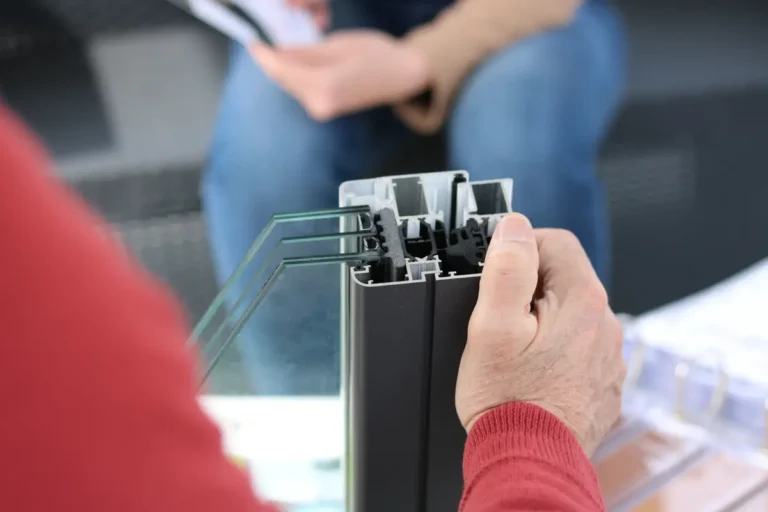
There is no single global certification for windows and doors — the standard that applies depends on your project’s destination market, and a factory’s export history to one market does not automatically mean its product is certified for another. A window tested and marked for CE compliance in the EU is not automatically compliant with Australia’s AS 2047, and a door tested to US AAMA/NFRC procedures still needs testing to EN 14351-1 before it can carry CE or UKCA marking for the UK market. This page compares the five certification frameworks a commercial project buyer is most likely to encounter, market by market.
Certification Comparison by Destination Market
| Market | Certification / marking | What it tests | Who issues it |
|---|---|---|---|
| European Union | CE marking (EN 14351-1) | Wind load resistance, water tightness, air permeability, thermal performance, safety glazing | Notified body test report + manufacturer’s Declaration of Performance (DoP) |
| United Kingdom | CE or UKCA marking (Great Britain); CE, or CE + UK(NI), for Northern Ireland | EN 14351-1 in both cases; Great Britain continues to recognize CE marking, with UKCA as an alternative | CE route: EU notified body; UKCA route: UK approved body; US AAMA/NFRC reports are not a substitute for either |
| United States | AAMA certification + NFRC label | AAMA tests structural/water/air performance (e.g. AAMA 101); NFRC rates and labels U-factor and SHGC for energy code compliance | AAMA-accredited lab for structural testing; NFRC-licensed lab for the energy label |
| Australia | AS 2047 | Wind load, water penetration, air infiltration, and operating force, referenced by the National Construction Code (NCC) | NATA-recognised or equivalent accredited testing laboratory |
| Saudi Arabia / GCC | SASO / SABER | Product conformity registration required for customs clearance, alongside applicable technical regulations for the product category | Registration through the SABER platform, typically supported by existing test reports |
Why a CE-Certified Window Isn’t Automatically Compliant Elsewhere
Each of these frameworks tests against a different reference standard and, in several cases, different climate load assumptions — EN 14351-1’s wind and water test classes are not numerically identical to AS 2047’s, and NFRC’s U-factor/SHGC energy labeling has no direct equivalent in the CE or AS 2047 frameworks at all. This means:
- A factory that regularly exports CE-marked windows to Europe may have never run an AS 2047 test on the same profile system, because Australia’s wind load classes and water penetration test method differ from the EU’s.
- On 2 September 2024 the UK government confirmed that CE marking for construction products will continue to be recognized in Great Britain, so UKCA marking is an alternative rather than a requirement. A window legitimately CE-marked under EN 14351-1 can be supplied to the GB market without retesting or re-marking; if you choose UKCA instead, any third-party testing must be done by a UK approved body.
- NFRC’s energy performance label (U-factor, SHGC) is specific to the US market and is frequently confused with thermal transmittance figures reported under CE or AS 2047, which use different calculation methods and are not directly comparable numbers.
Sourcing this for a commercial project?
FBM Sourcing works with project owners, developers, main contractors and FF&E contractors on hotel, apartment, school, office and other commercial building projects. Send us your BOQ, drawings or product list — our team will review it and get back to you.
Get a Project Quote
WhatsApp +86 135 6007 5057
Which supplier type can actually produce to these standards is a separate question from what the standards require; the verifiable listed companies and the private supplier tiers are set out in our guide to aluminum window manufacturers in China for US projects.
What to Ask a Factory Before You Assume Certification Transfers
- Request the test report for the exact profile system, glazing configuration and hardware combination going on your project — not a general company compliance statement
- Confirm the report is from an accredited laboratory recognized in your destination market (NATA for Australia; an EU notified body for CE marking, which Great Britain also accepts, or a UK approved body if you choose UKCA; an AAMA/NFRC-licensed lab for the US)
- Ask specifically whether the same profile has been tested to your destination market’s standard, or only to a different market’s standard the factory happens to export under
- For markets with product registration requirements (like SASO/SABER), confirm registration status separately from the underlying technical test report, since registration and testing are two different steps
How This Affects Sourcing Timeline
Please plan for about four months between your deposit and shipment on a custom window or door order. The drawing stage usually takes around two months, because custom items go back and forth until you are happy with them, and production takes about another two months. Confirming which certification applies to your destination market — and whether the factory already holds a matching test report for your exact profile — is worth doing before drawings are finalized, since a certification gap discovered late in the process can add to the drawing and approval stage.
A sourcing partner managing window and door procurement for your project checks which certification applies to your destination market and matches it against what the factory can actually document for your exact specification, rather than accepting a general compliance claim at face value.
Each of these regimes is covered in more depth on its own page: SASO and SABER certification for Saudi Arabia, ESMA and UAE conformity requirements, and AS 2047 testing and certification for Australian projects. If you are moving a specification between markets rather than starting fresh, what changes when you source a Middle East project from China covers where those regimes differ structurally rather than only in detail.
Certification is one input into a larger package decision. How doors, windows and tile are actually bought and sequenced on a development is covered in doors, windows and tiles from China for property developers.
Fire-rated doors follow a separate logic from windows and ordinary doors: the rating attaches to the tested doorset, and a Chinese GB certificate does not transfer to any export market. For the listed Chinese makers and the standard each market applies, see our list of fire door manufacturers in China for commercial projects.
Frequently Asked Questions
Does a CE-marked window need UKCA marking to be sold in the UK?
No. Great Britain continues to recognize CE marking for construction products, so a window legitimately CE-marked under EN 14351-1 can be supplied without retesting or re-marking. UKCA is an optional alternative, and if chosen, any third-party testing must be done by a UK approved body. Northern Ireland accepts CE marking (or CE with the UK(NI) indication), but not UKCA alone.
Is NFRC the same as an energy efficiency certification in other markets?
No. NFRC’s U-factor and SHGC labeling system is specific to the US market and uses a different test and calculation method than the thermal performance figures reported under CE or AS 2047, so the numbers are not directly comparable across markets.
What certification applies to windows going to a Saudi Arabia project?
Products typically need registration through the SASO/SABER conformity platform for customs clearance, in addition to any applicable technical testing for the product category.
Can one factory hold certifications for all five of these markets on the same product?
It’s possible but not common by default — most factories certify to the standards required by the markets they actively export to, so a factory with strong CE and AS 2047 documentation may not hold AAMA/NFRC testing unless it has an existing US export history for that specific profile.
Sourcing certified windows or doors for a commercial project? Send us your BOQ and destination port and our team will review it.