Building a procurement schedule around hotel construction milestones means anchoring FF&E and building material delivery dates to verifiable construction events specific to a hotel building — rough-in completion by floor or wing, corridor and back-of-house buildout sequence, individual F&B outlet handover, and the operator’s soft-opening date — rather than to calendar dates fixed months in advance. This framework does not promise a specific delivery date; it is a planning discipline that keeps procurement responsive to how hotel construction actually progresses.
Which Hotel-Specific Construction Events Should Anchor a Procurement Schedule?
Hotel construction has a different milestone structure than apartment or office buildings, because a hotel has to reach full operational readiness on one target date — the soft opening — across guestrooms, public areas and back-of-house simultaneously. The milestones that typically matter most for procurement planning are:
- Floor-by-floor rough-in completion — when MEP rough-in and drywall are done for a guestroom floor, that floor is ready to receive casegoods, soft seating and bathroom fixtures
- Corridor and back-of-house sequencing — corridors, service elevators and back-of-house areas are often finished on a separate, later track than guestrooms, which affects when case goods and linens can physically be staged and moved into rooms
- Individual F&B outlet buildout — a hotel’s restaurant, bar and banquet spaces each have their own completion date, frequently later than the guestroom tower, and carry their own furniture and kitchen equipment categories
- The operator’s soft-opening date — the single date every other milestone works backward from, since punch-list, staff training and pre-opening inspections all need completed rooms and public areas ahead of it
Why a Date Set at Project Start Rarely Holds Through to Opening
A hotel construction schedule set at groundbreaking is a forecast, not a guarantee — weather, trade sequencing, inspection scheduling and permitting timelines all shift the actual readiness date away from the original assumption. A procurement plan that only checks against that original date, rather than the schedule’s live status, risks the two most common outcomes: FF&E arriving before a floor can receive it, sitting in costly on-site or off-site storage with exposure to ongoing construction dust and damage, or FF&E arriving after a floor is ready, leaving installation crews idle and pushing the punch-list and soft-opening date back further. Reviewing the construction schedule’s actual status on a regular cadence, rather than relying on the date agreed at kickoff, is what keeps the procurement plan aligned to reality.
How Do You Sequence Delivery Across Guestrooms, Public Areas, and F&B?
These three zones rarely finish on the same date, and a hotel-specific procurement schedule treats them as separate delivery tracks rather than one undifferentiated FF&E order:
- Guestroom floors are typically sequenced bottom-up or in blocks, so casegoods, soft seating and bathroom fixtures get released floor-by-floor or in matched blocks tied to rough-in completion
- Public areas (lobby, meeting rooms) often finish on an intermediate timeline, and their furniture categories — reception desks, lobby seating, banquet furniture — are planned against that area’s own construction sequence
- F&B outlets frequently have the latest completion date of the three zones, since kitchen equipment installation and health-code inspections add steps that guestroom floors do not go through, and their furniture and equipment delivery should be scheduled accordingly rather than bundled with the guestroom release
Sourcing this for a commercial project?
FBM Sourcing works with project owners, developers, main contractors and FF&E contractors on hotel, apartment, school, office and other commercial building projects. Send us your BOQ, drawings or product list — our team will review it and get back to you.
Working Backward from Soft Opening: What Lead Times Need to Be Built In?
A milestone-based schedule still has to account for real production and shipping lead times as planning assumptions — the framework changes when a phase is triggered, not the physical time it takes a factory to build and ship the goods. As a working assumption: for custom casegoods and upholstered seating, please plan for about four months between deposit and shipment — the drawing stage usually takes around two months and production about another two months; tile and hardware are usually quicker; and ocean transit from Foshan or Guangzhou to a US or Australian port is confirmed by the carrier at booking. Counting backward from a target soft-opening date using these lead-time assumptions, against each zone’s expected rough-in completion, is what tells you which categories need production to start first — and it does not guarantee the soft-opening date will hold, since production, customs and carrier factors remain outside any party’s direct control.
How FBM Sourcing Builds a Hotel Procurement Schedule
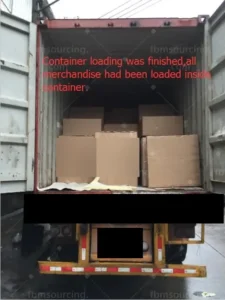
As your sourcing partner, FBM Sourcing maps your hotel’s construction milestones — floor-by-floor rough-in, F&B outlet buildout, target soft-opening date — against production and shipping lead times for each category in your BOQ, then checks that schedule against actual construction progress on a regular cadence rather than assuming the original plan holds. Sometimes, on a large hotel project, one category alone fills full containers; sometimes it shares containers with the other categories of the same project; and sometimes several categories from multiple projects of the same client are combined into a few containers — always full containers, timed to the zone that needs them first.
Sourcing this for a commercial project?
FBM Sourcing works with project owners, developers, main contractors and FF&E contractors on hotel, apartment, school, office and other commercial building projects. Send us your BOQ, drawings or product list — our team will review it and get back to you.
Frequently Asked Questions
What construction milestones should a hotel procurement schedule be anchored to?
Floor-by-floor rough-in completion, corridor and back-of-house sequencing, individual F&B outlet buildout, and the operator’s soft-opening date — rather than calendar dates fixed at project start.
Does a milestone-based schedule guarantee the soft-opening date will be met?
No. It is a planning discipline that reduces the mismatch between construction readiness and material arrival, built around production and shipping lead times as assumptions. Actual dates still depend on production, customs and carrier factors outside any party’s control.
Do guestrooms, public areas, and F&B outlets follow the same delivery schedule?
No. They typically finish construction at different times — F&B outlets often last, due to kitchen equipment installation and health-code inspections — and should be planned as separate delivery tracks rather than one bundled release.
How far in advance should casegoods production start relative to a floor’s rough-in completion?
As a working assumption, custom casegoods and upholstered seating need about four months between deposit and shipment, plus ocean transit, so production typically needs to start well before a floor’s rough-in is complete, counted backward from the target installation date.
Related Reading
- Phased delivery aligned to your construction schedule (apartment and multi-phase projects)
- Mixed-container consolidation for apartment projects
Related Guides on Whole-Hotel Sourcing
A schedule is only as good as the scope behind it. See who manages the entire package under one contract, what a whole-hotel package covers, how cost-per-key value engineering is timed, and how multiple categories are synchronised into one delivery programme.