A multi-phase development’s procurement schedule has to answer to the construction schedule, not the other way around. Materials arriving before a floor is ready to receive them sit in expensive on-site or off-site storage and risk damage from ongoing construction activity around them; materials arriving after a floor is ready create idle labor and push the whole phase’s handover date back. Aligning FF&E and building material delivery to an actual, evolving construction schedule — rather than to a fixed date set once at the start of the project — is the core discipline of phased procurement on a developer-scale project.
Why a Fixed Delivery Date Set at Project Start Rarely Survives Contact with Construction
Construction schedules move. Weather delays, trade sequencing conflicts, permitting timelines and dozens of other variables shift a project’s actual readiness date away from the date assumed when procurement was first planned. A procurement plan anchored to one fixed delivery date, agreed months before construction reaches that stage, tends to produce one of two outcomes: materials sitting in storage waiting for a delayed construction phase, or a scramble to expedite when construction runs ahead of schedule. A phased delivery framework instead treats the construction schedule as a live input, checked and adjusted on a regular cadence, rather than a fixed assumption locked in at the start.
Building a Procurement Schedule Around Construction Milestones, Not Calendar Dates
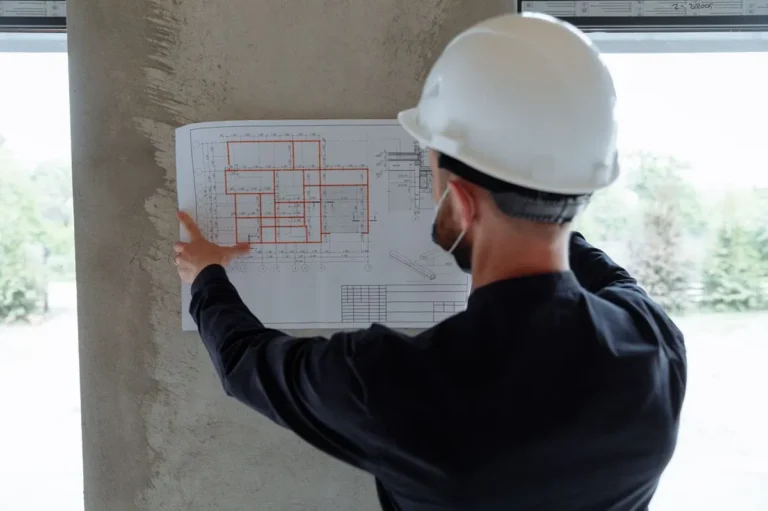
The more durable approach ties each procurement phase’s release trigger to a construction milestone — substantial completion of rough-in for a given floor range, drywall and paint completion in a given block of units, or another defined, verifiable construction stage — rather than to a specific calendar date decided in advance. This means a delayed construction phase automatically pushes back the corresponding delivery release without anyone needing to renegotiate a date, and an accelerated phase can pull forward the next release if the milestone is reached early. The trade-off is that this requires closer, more frequent communication between the construction team and the procurement team than a fixed-date plan does — milestone status needs to be shared on a regular cadence for the framework to work.
How This Plays Out Across a Multi-Phase Apartment or Mixed-Use Project
On a phased development, each phase’s FF&E and building materials procurement typically starts its active production and shipping window once that phase’s construction milestone is confirmed, rather than all phases being procured on one upfront timeline. This keeps working capital tied up in inventory to a minimum (materials are not produced and shipped years ahead of the phase that needs them) while giving the production and shipping lead time for each phase enough runway once its trigger milestone is hit. The trade-off a developer accepts with this model is that the procurement team needs visibility into the live construction schedule on an ongoing basis, not just at project kickoff.
Planning phased delivery for a multi-phase development?
FBM Sourcing builds procurement release schedules around your actual construction milestones, adjusting production and shipping timing as your build schedule evolves rather than locking to a fixed date set at project start.
Building Buffer Into the Plan Without Building in Waste
A phased delivery framework still needs buffer — production lead time, shipping transit time and customs clearance do not compress on demand when a construction milestone is reached early. The way to reconcile this is to plan each phase’s production start relative to its milestone with the known lead time for that product category built in as a planning assumption, and to treat the resulting production and shipping window as a framework for sequencing decisions, not a delivery date commitment to the end client. This is a scheduling discipline, not a promise: actual arrival dates depend on production, customs and carrier factors outside any party’s direct control, and a phased framework’s value is in reducing the size of the mismatch, not eliminating schedule risk entirely.
Coordinating Multiple Product Categories Within Each Phase Release
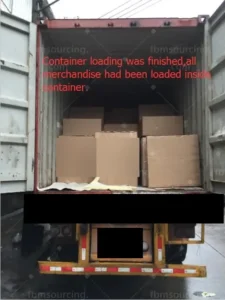
Within a single phase’s release, the same multi-category consolidation logic applies as across the whole project: kitchen cabinets, doors, windows, sanitaryware and flooring for that phase’s unit block need their production schedules tracked against the same milestone trigger, so the phase’s container consolidation is not held up by the single slowest category. This is where a phased delivery framework and a mixed-container consolidation plan work together — the milestone trigger sets when a phase’s procurement window opens, and the consolidation plan governs how that phase’s multiple product categories come together into full containers once production is underway.
How FBM Sourcing Builds Phased Delivery Schedules
FBM Sourcing manages the entire China procurement package for overseas construction projects, and for multi-phase developments, that means building each phase’s procurement release around your actual construction milestones — tracked on a regular cadence, not assumed once at project start — and coordinating every product category within a phase toward the same milestone-triggered window. All quotations, invoices and shipping documents are issued by FBM Sourcing — you deal with us, and we carry the responsibility. We do not commit to fixed delivery dates set independent of your actual construction progress, because that framework is what causes the storage costs and schedule mismatches phased procurement is meant to avoid.
If you are planning procurement across a multi-phase construction schedule, share your milestone structure with us and we will map a phased release plan around it.
This phased-delivery framework applies across project types, and a hotel building has its own distinct milestone structure — see building a procurement schedule around hotel construction milestones for how floor-by-floor rough-in, F&B outlet buildout and soft-opening dates specifically shape a hotel schedule.
Related Reading
- China Procurement for Property Developers
- What happens if a Chinese factory misses its production deadline?
- Mixed-container consolidation for apartment projects
Phasing is one of the two procurement paths open to a project; the choice itself is set out in developer vs contractor: two procurement paths from China.