Synchronized multi-category delivery for a hotel project means timing the arrival of every FF&E and building material category — casegoods, soft seating, bathroom fixtures, doors and windows, lighting, kitchen equipment — so each one lands when the guestroom, public area or back-of-house space it belongs to is actually ready to receive it, rather than each factory shipping on its own independent schedule. On a hotel project this matters more than on most other building types because installation crews typically work room-by-room or floor-by-floor, and a single missing category can stall the entire installation sequence for that zone.
Why Hotel Projects Need Tighter Synchronization Than Other Building Types
A hotel guestroom is installed as a complete unit, in a fixed sequence within a compressed window before that floor’s fit-out is signed off. If casegoods arrive on schedule but the bathroom vanity and mirror for the same rooms are behind, the installation crew either works the room twice — adding labor cost — or the floor’s completion date slips, which cascades into every downstream milestone including the operator’s pre-opening training schedule. Compare this to a warehouse or a low-rise commercial building, where furniture and fixtures can often be staged and installed with more flexibility. Hotel installation sequencing is what makes synchronization, not just on-time delivery of each category in isolation, the actual goal.
What Does “Synchronized” Mean in Practice?
Synchronization is built from three components working together:
- A shared target delivery window across every factory and category, set against the construction schedule’s actual floor-readiness dates, not a single fixed date set once at project kickoff
- Lead-time-adjusted production start dates — longer-lead casegoods and upholstered seating often start production earlier than tile or hardware, each on a lead time the factory confirms in writing, so that everything reaches the port ready to consolidate at the same time
- Container consolidation planned around the installation sequence, so that if floor 3 installs before floor 8, floor 3’s categories are prioritized into the earliest shipment rather than loaded in whatever order factories happen to finish
How Do You Build a Synchronized Delivery Plan Before Production Starts?
The plan starts with mapping the installation sequence — which floors, wings or public areas get finished in which order — against the category list for each zone. From there, each factory’s realistic production lead time gets counted backward from the target installation date for its zone, not forward from an order date, which is what surfaces the categories that need to start production first. A guestroom floor typically needs casegoods, soft seating, lighting, bathroom fixtures and window treatment hardware to land together; a lobby or F&B outlet has its own separate set of categories and its own installation date, usually different from the guestroom floors.
Sourcing this for a commercial project?
FBM Sourcing works with project owners, developers, main contractors and FF&E contractors on hotel, apartment, school, office and other commercial building projects. Send us your BOQ, drawings or product list — our team will review it and get back to you.
Container Consolidation Is the Mechanism, Not Just a Cost Decision
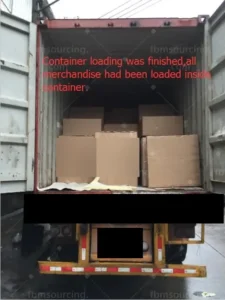
Sometimes, on a large hotel project, one product category alone fills full containers; sometimes that category shares containers with the other product categories of the same project; and sometimes, in one batch, several product categories from multiple projects of the same client are combined into a few containers — always full containers, and for us this is routine, well-practised work. For synchronized delivery specifically, consolidation gets planned around the installation sequence: a container carrying floor 3’s casegoods, lighting and bathroom fixtures together is more useful to the installation crew than three containers each carrying one category across every floor, because the first container can go straight to floor 3 the moment it clears customs, without needing to wait for the rest of the building’s materials to arrive.
What Happens When One Category Runs Behind Schedule?
Even with a synchronized plan, individual factories can run behind — a raw material delay, a quality re-work, a shipping schedule change. What separates a resilient plan from a fragile one is whether the delay is caught early enough to adjust the rest of the zone’s schedule around it, or whether it is only discovered when the container is already loaded and the installation crew is standing in an empty room. Tracking production progress against the plan on a regular cadence — not just trusting the original production timeline — is what makes early correction possible: re-sequencing which floor gets prioritized, or air-freighting a small make-up shipment for a critical shortfall category, rather than the whole floor’s completion date slipping.
How FBM Sourcing Manages Synchronized Delivery
As your sourcing partner, FBM Sourcing builds the delivery plan from your construction and installation sequence, not from each factory’s own convenience — production start dates are set backward from your target installation dates category by category, and container consolidation is planned around which zone needs its materials first. All quotations, invoices and shipping documents are issued by FBM Sourcing, so coordination across a dozen-plus factories sits with one point of contact rather than the project team chasing separate vendors for status updates.
Sourcing this for a commercial project?
FBM Sourcing works with project owners, developers, main contractors and FF&E contractors on hotel, apartment, school, office and other commercial building projects. Send us your BOQ, drawings or product list — our team will review it and get back to you.
Frequently Asked Questions
Why does synchronization matter more for hotels than other commercial buildings?
Hotel guestrooms are installed as complete units in a fixed sequence within a compressed window, so a single missing category can stall the whole installation sequence for that floor, unlike buildings where furniture staging is more flexible.
How far in advance should production start for a synchronized delivery plan?
Production start dates are set backward from the target installation date for each zone, category by category — casegoods and upholstery generally need to start earlier than tile or hardware because of longer production lead times.
Does synchronized delivery mean everything ships in one container?
No. It means containers are consolidated around the installation sequence, so the categories a specific floor or zone needs together are loaded together, not that the entire project ships as a single shipment.
What happens if one factory runs behind schedule?
Regular production progress tracking against the plan is what allows early correction — re-sequencing which zone is prioritized or arranging a make-up shipment for a shortfall category — rather than the delay only being discovered once a container has already loaded.
Related Reading
- Mixed-container consolidation for apartment projects
- Who manages the entire FF&E procurement package on a hotel project?
Related Guides on Whole-Hotel Sourcing
Synchronised delivery depends on decisions taken earlier: what the package covers in the first place, how cost-per-key value engineering is handled before samples are approved, and how the schedule is built backward from construction milestones.