The prefab bathroom pods vs site-built decision comes down to repetition and programme. If your project has 50 or more identical or near-identical bathroom layouts – a hotel tower, a build-to-rent block, student housing – and compressing the construction programme matters, pods usually win. If your bathroom types are varied, floor plates differ level to level, or crane and access logistics are constrained, site-built bathrooms remain the safer call. Cost alone rarely decides it: a factory-finished pod does not leave the plant cheaper than the same bathroom bought as loose components, but it removes weeks of wet trades, sequencing risk and leak-related defects from the site. FBM Sourcing works as your sourcing agent and sourcing partner throughout this process.
FBM Sourcing procures both routes from China – complete pod packages from specialist manufacturers, and consolidated loose-supply bathroom packages for site-built programmes. This is how we frame the decision with clients before anyone asks a factory for a quotation.
Prefab bathroom pods vs site-built: what actually changes
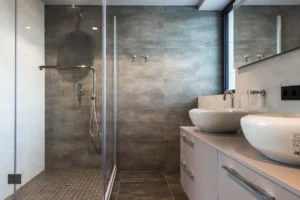
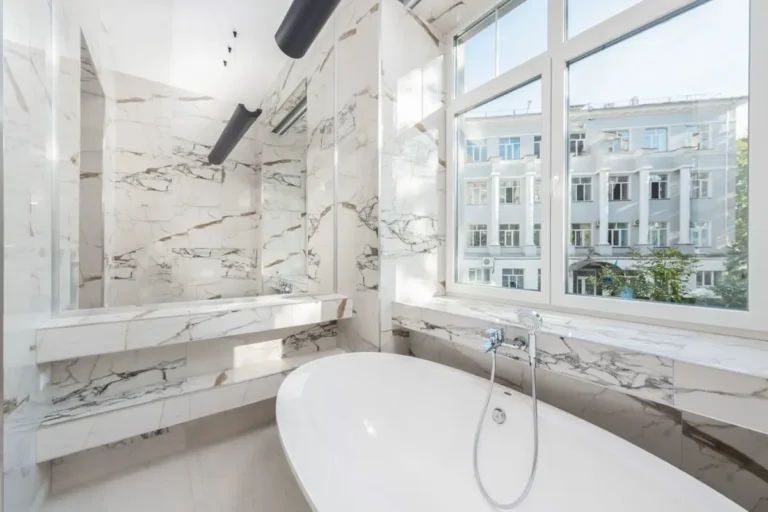
A bathroom pod is a fully finished room built in a factory: structural shell, one-piece waterproof floor tray, tiling or panelised walls, sanitaryware, vanity, mirror, lighting, extraction, all plumbing and electrical first-fix terminated at connection points. It arrives on site as a sealed unit, is craned onto the slab, and needs only water, waste, power and ventilation connections – a handful of service connections per pod instead of the many separate trade packages a site-built bathroom requires.
A site-built bathroom is the traditional sequence: framing, first-fix plumbing and electrical, waterproofing, screed, tiling, second fix, fit-off, sealing, snagging – done in place, by different subcontractors, on every floor. Nothing about that is wrong, but on a 200-key hotel it means the same sequence executed 200 times under site conditions.
Key facts worth holding onto before the detail:
- Pod manufacturers set a minimum number of repeated units per bathroom type before tooling a project, and the economics improve as repetition rises.
- With a tower crane, an installation crew places a floor of pods in days rather than weeks of wet trades.
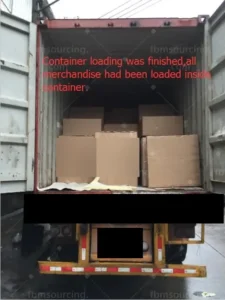
- A finished hotel pod is a heavy, bulky unit in transport, so a 40ft high-cube container carries only a handful of protected units; the number per container is set in the load plan.
- Pod design must be frozen before production starts; from approved prototype, an established line ships production units at a steady weekly rate that the manufacturer confirms in writing.
- Site-built bathrooms remain the default below the repetition threshold and for projects where floor-to-floor heights, crane access or delivery windows cannot accommodate pod logistics.
Where pods genuinely outperform site-built bathrooms
Consistency you cannot replicate on site
Factory conditions change the quality conversation. In a pod plant, bathroom number 1 and bathroom number 300 are built on the same jigs, by the same production teams, under the same lighting, with the same torque on every fitting. On site, bathroom 1 and bathroom 300 may be built six months apart by different tiling crews. For a hotel operator handing over rooms to a brand standard, that consistency is often the deciding argument. Every pod is also individually water-tested at the factory – and when we manage a pod package, units are inspected before shipment by our own team, with photo and video records shared with the client.
Programme compression, floor by floor
The bathroom is usually the slowest room in a hotel or apartment fit-out because it stacks wet trades that each need cure time: a site-built sequence realistically spans weeks per floor zone once mobilisation and curing are counted. Pods invert that – a crew craning pods closes out the bathroom scope for an entire floor in days, and follow-on trades start earlier. On a 15-storey apartment tower, that compression is measured in months of programme, which flows directly into earlier revenue and lower preliminaries.
Leak risk drops structurally, not incidentally
Bathrooms are consistently among the largest sources of defect claims in apartment buildings, and almost all of it is water: failed membranes, cracked grout lines, poorly sealed penetrations. A pod is built on a one-piece moulded floor tray – GRP or composite – with no site-formed membrane junctions to fail, and it is leak-tested before it leaves the factory. You are not relying on the 200th waterproofing application being as careful as the first. For build-to-rent owners who hold the asset for decades, this is often worth more than the programme gain; it is one reason pods appear so frequently in build-to-rent building materials procurement packages.
Fewer trades, fewer interfaces, fewer disputes
A site-built bathroom touches eight to twelve trade packages; every interface between them is a place where responsibility can be argued. A pod collapses those interfaces into one supply contract and one installation activity – one accountable party when something is wrong.
What pods demand from your project – the constraints
Structure and logistics must be designed for pods from day one
Pods are not a late substitution. The slab must carry the point-set unit weight stated by the pod manufacturer, often with a recess so the pod floor finishes flush with the corridor; crane capacity and hook time must cover pod lifts on every floor cycle; there must be a clear path from the loading zone to each pod position before the facade closes; and floor-to-floor height must absorb the pod’s own build-up – typically 100-150 mm more than site-built unless the slab is recessed. If the structural design is already locked without these allowances, the pod conversation is usually over.
Design freeze comes early – and it is genuinely frozen
A pod line is a production process, not a trade sequence. Before manufacturing starts, every dimension, finish, fixture and connection point is locked into shop drawings and a signed-off physical prototype – well before the first production units are needed on the water. After the line starts, a “small change” to a vanity width or a mixer model is not a site instruction; it is re-tooling and re-pricing. We have written before about why design changes after production starts in China are the most expensive changes a project can make – with pods, that logic applies to the entire bathroom at once.
Shipping volume is real money
Loose bathroom materials ship dense: tiles, sanitaryware and tapware for dozens of bathrooms consolidate into a single container. Pods ship as finished rooms, which means you are freighting air. Because each protected unit is bulky, a 40ft high-cube carries only a handful of pods, with the number per container set in the load plan, so a 150-key hotel is looking at a serious container programme with staged deliveries matched to the crane cycle. This is exactly the kind of planning we run for clients in hotel FF&E container planning – pods simply make the shipping line item impossible to ignore.
Sourcing this for a commercial project?
FBM Sourcing works with project owners, developers, main contractors and FF&E contractors on hotel, apartment, school, office and other commercial building projects. Send us your BOQ, drawings or product list — our team will review it and get back to you.
How many identical bathrooms justify pods?
The honest threshold is about 50 identical or near-identical units per bathroom type – below that, most serious pod manufacturers will either decline or price the tooling so heavily that the comparison collapses. Every distinct layout carries its own mould for the floor tray, its own jigs, its own prototype and its own approval cycle, so what matters is not total bathroom count but repetition per type. A 120-key hotel with two room types and two bathroom layouts is a strong pod project; a 120-unit apartment building with nine different bathroom configurations is a weak one, even though the totals match.
At moderate repetition per type, the decision usually turns on programme value: if opening two or three months earlier changes your financing or booking calendar, pods earn their place. At high repetition – hotel towers, student accommodation, co-living, serviced apartment schemes – pods are the default assumption in most developed markets, and the question flips to which factory can hold quality at your volume. That is a separate exercise, and it is why we published a review of the top prefab bathroom pod manufacturers in China – this article decides whether pods fit your project; that one covers who should build them once the answer is yes.
Where site-built bathrooms are still the right answer
Site-built wins more often than pod marketing suggests. The typical cases:
Low repetition or high variety. Boutique hotels with individually designed keys, penthouses, mixed-unit apartment buildings with many bathroom types. Under roughly 50 repeats per type, tooling economics do not work.
Structural or access constraints. If the frame cannot take pod loads, floor-to-floor height cannot absorb the build-up, or there is no crane path to set units before the envelope closes, pods are physically off the table regardless of economics. This is common on tight urban sites where the tower crane is already saturated.
Late-stage decisions. If structural design is complete and procurement starts late, the pod route has usually missed its window: prototype approval takes weeks before volume production begins, and the sea leg from China adds the carrier’s transit time port to port.
Design flexibility as a genuine requirement. Some developers legitimately want the option to adjust finishes between floors or respond to buyer customisation in for-sale apartments. Site-built keeps that door open; pods deliberately close it.
For these projects, the smarter China play is a consolidated loose-supply package – tiles, waterproofing, sanitaryware, vanities, shower enclosures – bought factory-direct per category and delivered as coordinated container loads. The same logic runs through our serviced apartment and aparthotel FF&E procurement work: repetition decides how industrialised the supply route should be.
What does the cost comparison really look like?
Anyone quoting a universal “pods are X% cheaper” figure is selling something. The structural picture is more useful. On the factory side, a finished pod almost never leaves the plant cheaper than the equivalent bathroom bought as loose materials – you are paying for factory labour, the structural cassette, testing and engineering that site-built procurement does not carry as a line item. Freight is also structurally higher, because finished rooms cube out containers that loose tiles and sanitaryware would fill efficiently.
Where pods claw it back is entirely on the project side of the ledger: site labour for the many wet and finishing trades largely disappears from the bathroom scope, supervision hours shrink, the defect and rework provision for the wettest room in the building drops, and the compressed programme cuts preliminaries, crane weeks and finance time – on hotel projects the earlier-opening value alone can dominate the comparison. In high-labour-cost markets such as Australia, the UK, Northern Europe and North America, that trade routinely lands in the pod’s favour at volume; in low-labour-cost markets it often does not. Always compare total installed, handed-over cost per bathroom including programme value – never a factory-gate price against a tile order.
Pods vs site-built: side-by-side comparison
| Dimension | Prefab bathroom pods | Site-built bathrooms |
|---|---|---|
| Sweet spot | High repetition of identical units per type; strongest as repetition rises | Any quantity; only option below the repetition threshold |
| On-site speed | A floor closed out in days | Weeks per floor zone across sequenced wet trades |
| Quality consistency | Factory jigs; every unit water-tested before dispatch | Depends on each crew, each floor, each month |
| Leak risk | One-piece moulded tray; no site membrane junctions | Site-applied waterproofing; bathrooms lead defect claims |
| Design flexibility | Frozen before production; changes mean re-tooling | Changeable late, at normal variation cost |
| Structural demands | Heavy unit loads, slab recesses, crane path, height allowance | Standard slab and services design |
| Shipping from China | Bulky units; the number per container is set in the load plan; staged deliveries | Dense consolidated containers of tiles, sanitaryware, fittings |
| Factory-gate cost | Higher than the same bathroom as loose components | Lower ex-factory; cost shifts to site labour and programme |
| Where the saving sits | Site labour, supervision, defects, preliminaries, earlier opening | Lower upfront supply and freight cost, no tooling |
How to run the decision on a real project
The sequence we walk through with developers and main contractors is short. First, count repetition per bathroom type, not total bathrooms – 50 per type is the working threshold. Second, check the structural and logistics gates early: unit loads, floor-to-floor height, crane path, delivery access. If any gate fails and the structure is already locked, stop. Third, test the timeline: pods need the design frozen months before units are required on site, once prototyping, production and the sea leg are counted. Fourth, price both routes from real factory quotations rather than published rates. A china sourcing agent for building materials and FF&E working on a 5% commission for suppliers you nominate (products we source for you are quoted at a direct price) can run both quotation tracks in parallel – pod manufacturers on one side, a consolidated loose-supply package on the other – so the decision is made on real numbers for your drawings, not industry averages.
Where bathrooms are built on site, the enclosure choice is driven by the tolerance the shell is built to — see framed vs frameless shower enclosures for hotel bathrooms.
Pods are often one part of a larger factory-built package; for remote sites, the accommodation buildings themselves are compared in our guide to container house manufacturers in China for worker camps and site accommodation.
Get a China Procurement Quote for Your Project
If you are weighing prefab bathroom pods against site-built bathrooms for a hotel, apartment, build-to-rent or student housing project, we can price both routes from vetted Chinese manufacturers and show you the comparison on your own drawings. Submit your drawings, bathroom schedule and quantities, destination port and target timeline, and our team will review the project and come back with a structured procurement proposal – pod package, loose-supply package, or both side by side.