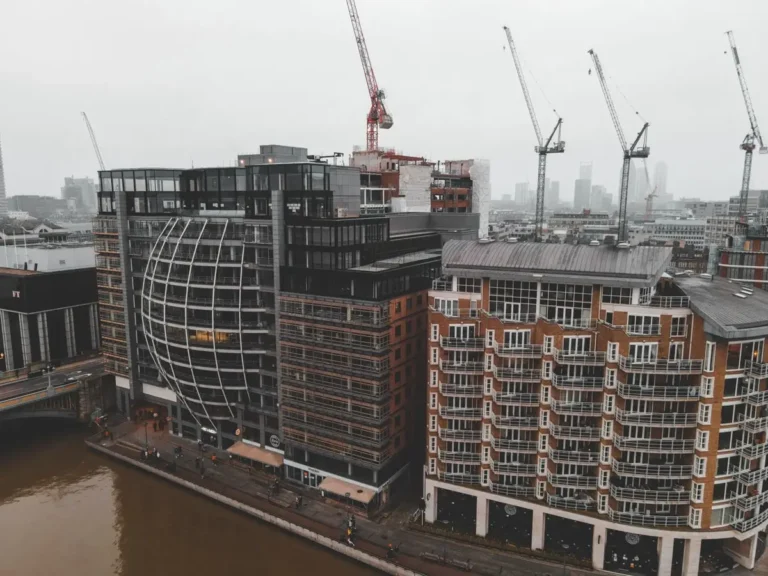
A property developer and a main contractor sourcing from China are solving different problems, even when they are buying the same product categories for the same building. A contractor is executing a scope handed to them by a fixed specification and schedule set by someone else; a developer is carrying the capital risk of the entire project and needs procurement decisions that protect the asset’s long-term value, not just get materials to site on time. Understanding which path applies to your role changes how a China procurement relationship should be structured from the first conversation.
The Contractor Path: Execute a Defined Scope Against a Fixed Schedule
A main contractor typically works from a specification already set by the architect, designer or developer, with a construction schedule dictated by the overall build program. Procurement decisions center on matching the exact spec, coordinating delivery to the construction sequence, and managing the commercial risk of a fixed-price or guaranteed-maximum-price contract. A contractor’s China sourcing relationship is usually transactional and project-specific: source this scope, meet this schedule, close out this project, move to the next one with a potentially different set of suppliers.
The Developer Path: Own the Asset, Carry the Long-Term Consequences
A developer’s relationship with the same procurement decisions runs longer and carries different stakes. A developer building a multifamily or mixed-use project is not closing out a single contract on handover — they are holding the finished asset (for a build-to-rent project) or standing behind it through a sales and warranty period (for a build-to-sell project), which means material quality, warranty support and supplier reliability across multiple phases or buildings matter well beyond the construction period itself. A developer running a multi-phase or multi-property pipeline also benefits from continuity: the same vetted factories, the same quality standards and the same consolidated logistics approach carried across Phase 1, Phase 2 and the next project, rather than re-sourcing from scratch each time.
Where the Two Paths Diverge on Procurement Decisions
The practical differences show up in a handful of recurring decisions. A contractor optimizes primarily for meeting the schedule at the contracted price, with less latitude to trade cost against long-term quality since the specification is usually fixed by someone else. A developer has more room to make trade-offs across the full project economics — choosing a marginally higher-spec bathroom fixture that reduces warranty claims over a ten-year hold, for example, or consolidating FF&E and building material orders across several buildings in a phased development to improve container utilization and unit pricing. A developer also carries the responsibility of setting the specification in the first place on many projects, rather than receiving one from another party, which means procurement input earlier in the design process has more leverage.
Why a Developer’s Procurement Partner Needs to Think Across Phases
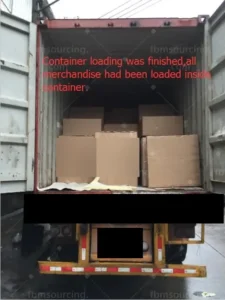
On a single-building project, the difference between these two paths is manageable either way. On a multi-phase apartment or mixed-use development, it compounds. A developer sourcing Phase 1 and Phase 2 through separate, uncoordinated procurement efforts loses the ability to consolidate container loads across phases, loses continuity with factories that already understand the project’s quality standard, and risks spec drift between phases that creates a visibly inconsistent finished product across buildings meant to read as one cohesive development. A procurement partner working the developer path needs to plan container consolidation, factory relationships and specification consistency across the full pipeline, not just the phase currently under construction.
Managing procurement across a multi-phase development?
FBM Sourcing works with developers to carry factory relationships, quality standards and container consolidation across every phase of a project pipeline — not just the current phase.
Where the Two Paths Overlap: The Same China Supply Chain, Different Priorities
Both a contractor and a developer draw from the same underlying pool of Chinese manufacturers for building materials and FF&E, and both need the same fundamentals — genuine manufacturer vetting, compliance documentation matched to the destination market, and container logistics planned around the actual project schedule. What changes is which priorities dominate the decision when trade-offs appear. A contractor under schedule pressure will often prioritize confirmed lead time over marginal cost savings; a developer with a longer investment horizon will often prioritize total cost of ownership and warranty performance over a faster but less proven supplier.
How This Shapes a Developer-Specific Procurement Relationship
For a developer, the most useful procurement partner is one who understands the asset is being held or sold with a reputation attached to it, not just delivered and closed out. That means specification decisions get evaluated against long-term maintenance and tenant or buyer experience, not only unit cost; container consolidation gets planned across the full phased delivery, not phase by phase in isolation; and the same accountable single point of contact carries through the entire pipeline rather than a new procurement relationship being rebuilt at each phase.
How FBM Sourcing Works with Property Developers
FBM Sourcing manages the entire China procurement package for overseas construction projects, and works with property developers specifically on the priorities that matter across a multi-phase pipeline: consistent factory relationships and quality standards from Phase 1 through the final phase, and container consolidation planned around your actual phased delivery schedule. All quotations, invoices and shipping documents are issued by FBM Sourcing — you deal with us, and we carry the responsibility.
If you are planning procurement for a multi-phase development, tell us your project pipeline and we will map out how factory relationships and container consolidation can carry across every phase.
If you are looking for a delivered package comparable to your own before committing, how to find a delivered China procurement project that matches yours sets out which fields in a project record transfer to another project and which only look as though they do.
Whichever path the order takes, each line of the FF&E schedule should also carry a responsibility code, so the owner and the contractor agree who buys, receives and installs it; our guide to OFCI vs CFCI and OFOI on a construction project explains what published owner standards say about each code.
Related Reading
- China Procurement for Property Developers
- How UK developers source building materials from China
- How US general contractors buy building materials from China
- Mixed-container consolidation for apartment projects
On the delivery side, a developer-led programme is usually phased to the construction schedule rather than shipped in one wave.