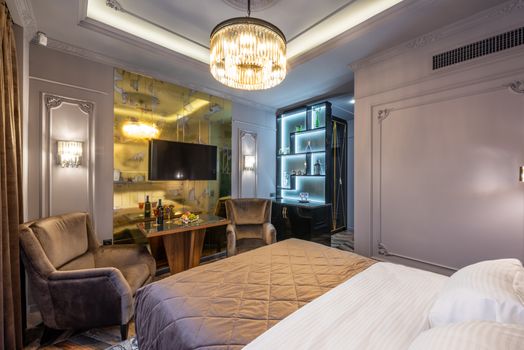
The pitfalls in hotel furniture sourcing from China are predictable: specifying products the chosen factory cannot actually make, approving a sample without pinning down the production method, starting procurement too late for a custom lead time, letting multiple factories ship out of sequence, taking the cheapest quote without reading the bill of materials, and skipping final inspection. Each one is avoidable, and each one follows the same pattern — a visible symptom on site, a root cause back in China, and a prevention step that costs far less than the failure. This guide works through the seven pitfalls that derail hotel FF&E projects most often, in symptom → cause → prevention form. This kind of coordination is what a sourcing partner like FBM Sourcing is for.
It is written for hotel developers, FF&E contractors and project managers — the teams accountable when guest rooms open late or open wrong. For the full engagement model that prevents these failures structurally, see our China procurement agent service for hotels and apartment developments.
Pitfall 1: The Specification Exceeds What the Factory Can Build
Symptom. Production photos show a veneer tone, paint finish or joinery detail that does not match the design intent — discovered weeks into a production run, when the schedule can no longer absorb a restart.
Cause. Interior designers write FF&E schedules around what they want, not around what a given factory produces well. Chinese factories rarely decline a specification; they accept the order and improvise around missing capability — an unfamiliar veneer species, a matte topcoat that needs spray equipment they don’t own, hardware they have never bought, or custom dimensions requiring tooling they won’t mention until production.
Prevention. Reverse the sequence: match the specification to factory capability first, quote second. Before any order, confirm in writing which items the factory makes in-house versus buys in, and have finish and material questions resolved on physical samples. A full bedroom sample set adds a sampling stage to the programme — always cheaper than discovering a capability gap 600 units into production. The workflow is detailed in our hotel furniture sourcing agent guide.
Pitfall 2: The Production Batch Doesn’t Match the Approved Sample
Symptom. The sample was perfect; the delivered batch has a different sheen, looser drawers or a colour drift visible when units stand side by side in a corridor.
Cause. The sample came out of the factory’s sample room, built by its most skilled craftspeople with unlimited time. The production batch comes off a line at volume, with different staff, batch-bought materials and time pressure. Nothing forces the two to match unless the buyer makes it so.
Prevention. Three controls close the gap. First, ask explicitly whether the sample used production materials and processes — veneer source, finish application method, hardware supplier. Second, confirm in writing that bulk production will use the same materials, hardware and finish process as the approved sample. Third, document the approved sample with photographs of every surface, hardware item and joinery detail, and make that record the reference standard for final inspection. For large or custom packages, a mock-up room before bulk FF&E production is the strongest version of this control.
Pitfall 3: The Lead Time Was Misjudged Against the Construction Programme
Symptom. The building is ready for fit-out and the furniture is still on the water — or the project is paying premium air freight that erases most of the China saving.
Cause. Custom hotel furniture runs on a lead time that urgency cannot compress: for a custom package, please plan for about four months between deposit and shipment — the drawing stage usually takes around two months and production about another two months, before sea freight and site delivery. Broken down, that is roughly weeks 1–3 for factory selection and quotation, weeks 4–6 for sampling and approval, weeks 7–14 for mass production, weeks 15–17 for final inspection and export preparation, and weeks 18–22 for ocean freight and clearance. Teams that engage procurement after the main contractor is already on site have usually spent the schedule margin before the first quotation arrives.
Prevention. Engage the procurement side at design development stage, not construction stage, and build the furniture programme backwards from the opening date with the correction windows included.
Sourcing this for a commercial project?
FBM Sourcing works with project owners, developers, main contractors and FF&E contractors on hotel, apartment, school, office and other commercial building projects. Send us your BOQ, drawings or product list — our team will review it and get back to you.
Pitfall 4: A Multi-Factory Package with No Single Coordinator
Symptom. Partial deliveries arrive out of sequence; installation starts with items missing; finished rooms show visible mismatches in finish tone, hardware style or proportion between pieces that were meant to read as one design.
Cause. A complete guest room package — bed frame, headboard, side tables, TV unit, wardrobe, luggage rack, desk, chair, bathroom vanity — typically spans 10 or more SKUs across several specialised factories, each with its own production schedule, minimum order quantity and quality baseline. Left uncoordinated, factories ship when they individually finish, and nobody owns the consistency of the assembled room.
Prevention. Run all factories under one procurement schedule with one accountable coordinator: aligned production windows, cross-factory finish references approved together, and consolidated container loading so goods arrive in installation sequence rather than factory-completion sequence. The five-star hotel hurricane-zone procurement case shows a full multi-category package delivered under a single programme.
Pitfall 5: Furniture and Building Materials Procured on Separate Tracks
Symptom. Two teams, two sets of agent fees, overlapping half-empty containers — and no combined leverage over what is really one project spend.
Cause. Hotel projects need both furniture and building materials — tiles, doors, windows, sanitaryware, railing, lighting — but the categories are habitually bought by different people from different sources, so the shipping and negotiating power of the combined volume is never used.
Prevention. Consolidate both categories under one sourcing programme. Mixed loading — casegoods with tiles, vanities with sanitaryware — keeps every 40ft high-cube full while cutting per-container destination charges. One coordinator across both categories also means one production calendar, one inspection programme and one loading plan for the entire project spend.
Pitfall 6: Choosing the Cheapest Quote Without Asking Why It’s Cheapest
Symptom. The winning quote was well below the field. A year after opening, drawer runners are failing, finishes are dulling in high-touch areas, and replacement orders are eating the “saving.”
Cause. A significantly lower quote almost always has a material explanation: substituted lower-grade veneer or thinner substrate, fewer finish coats with less sanding between them, generic hardware in place of the specified brand — contract-grade drawer runners are rated for 40,000+ cycles, and the cheap ones are not — or a trading company relaying the order through a hidden margin while adding no manufacturing control.
Prevention. Compare quotations at bill-of-materials level, not unit-price level: board grade and thickness, foam density, hardware brand and rating, finish system, packing standard. Treat any price difference that the BOM cannot explain as a warning, not a win — the explanation always exists, and on the cheapest quote it is rarely one the project would have accepted in writing.
Pitfall 7: No Final Inspection Because “the Sample Was Approved”
Symptom. Defects surface on the construction site — the most expensive possible place — triggering storage, replacement orders and fit-out delay in a market where every day has a cost.
Cause. Sample approval controls the design; it does not control the batch. Skipping pre-shipment inspection removes the only checkpoint between the production line and the site, on the assumption that nothing drifted across a multi-week run.
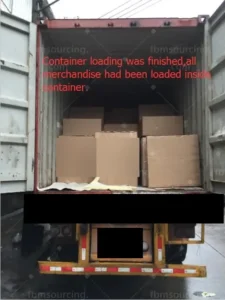
Prevention. Inspect before loading, every time. A professional final inspection covers dimensions against drawings, finish against the approved sample record, hardware function, packing adequacy and carton marking. On FBM Sourcing projects this is done by our own QC team at the factory in one full inspection once production is finished, before shipment, with photo and video records sent to the client, and a correction window is built into the schedule before the vessel booking so defects found are defects fixed. The full sequence is in our factory QC and inspection guide.
How Do You Start a Hotel Furniture Order the Right Way?
Send your FF&E schedule, room count, drawings or reference images, destination port and target delivery window. FBM Sourcing responds with a sourcing plan built around the failure points above — capability-matched factories, a sampling and pilot plan, a production schedule aligned to your construction programme, consolidated container loading, and inspection with documented evidence before anything ships.