Factory QC when sourcing from China runs through two steps: pre-production sample approval, and one formal pre-shipment inspection once production is finished, before the container is allowed to load. A china sourcing agent and sourcing partner manages both on the buyer’s behalf, using AQL (Acceptable Quality Level) sampling standards to physically inspect a statistical sample of the finished order — checking construction, finish, function, and packing — and holding the shipment until defects are corrected or replaced.
That is the short answer. The rest of this guide walks through what the inspection covers, who performs it, and what a buyer should ask for before signing off on a factory.
What Our Inspection Covers
- Pre-production sample approval: a physical sample confirms construction, finish, and function before mass production starts — this is the single highest-leverage check, since it happens before any volume is committed.
- Pre-shipment inspection (PSI): a formal AQL-sampled inspection of finished, packed goods before container loading — the check before the order leaves China.
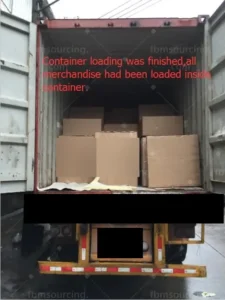
- Container loading supervision: confirms the inspected goods are what actually gets loaded, and checks loading pattern to prevent transit damage.
- Typical AQL level used: AQL 2.5 for general merchandise, tightened to AQL 1.5 or lower for structural or safety-critical building material items.
Why Does Factory QC Matter More for China Sourcing Than Domestic Purchasing?
When a buyer purchases finished goods domestically, defects are usually caught and returned within days at low cost. Sourcing from China removes that safety net: goods spend weeks at sea, and a defect discovered after arrival means the buyer is holding damaged or non-compliant inventory with no easy return path. QC inspection exists specifically to move defect discovery back to the point where correction is still cheap — inside the factory, before the goods are packed and loaded — rather than after a container has already crossed an ocean.
This is also why buyers who source directly from a factory without an inspection step of their own are exposed in a way that project-scale procurement cannot tolerate: the factory has every incentive to self-report a clean inspection, since the alternative is delaying its own shipment schedule and cash collection. A sourcing agent’s inspection is only useful because the agent’s own team answers to the buyer, not to the factory’s production incentives.
What Happens During Pre-Production Sample Approval?
Before mass production starts, the factory produces one full-specification sample — or, for furniture and casegoods orders, one complete matched set. FBM Sourcing physically reviews this sample against the approved drawings and material specification: frame and joint construction, fabric or finish color match to the approved swatch, hardware function, and any structural detail called out in the drawings. For building materials such as doors, windows, and tile, the sample confirms dimensional tolerance, surface finish, and — where relevant — fire rating or impact certification documentation matches the physical product.
Only after formal written sample approval does the factory schedule the full production run. Skipping this step is the single most common cause of large-batch defects, because any construction or finish issue in the sample simply gets repeated across the entire order rather than caught before volume production begins.
Sourcing this for a commercial project?
FBM Sourcing works with project owners, developers, main contractors and FF&E contractors on hotel, apartment, school, office and other commercial building projects. Send us your BOQ, drawings or product list — our team will review it and get back to you.
What Does Final Pre-Shipment Inspection Cover?
Once production is complete and goods are packed, a formal pre-shipment inspection samples the finished order using AQL statistical sampling — the standard method for inspecting a fraction of a large batch and drawing a statistically valid conclusion about the whole shipment. For general merchandise, AQL 2.5 is standard; for structural or safety items — fire-rated doors, load-bearing railing, glass balustrades — a tighter AQL 1.5 or lower is used, meaning fewer defects are tolerated in the sample before the whole batch is rejected. For a related decision, see the production updates and progress reports you should expect during manufacturing.
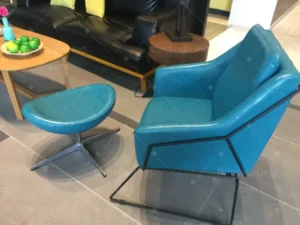
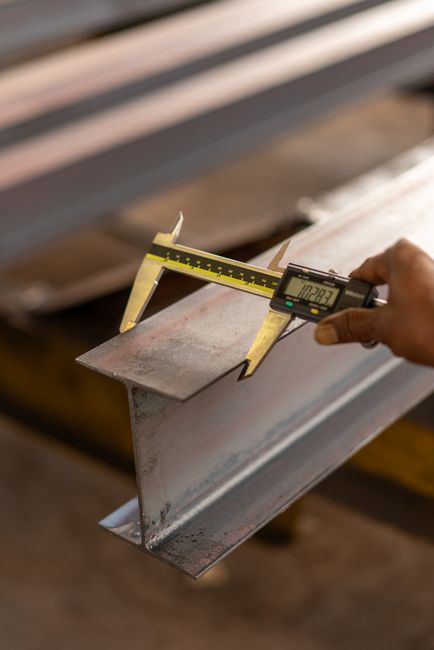
Inspectors check finished construction and function (door alignment, chair joint strength, drawer runner operation), finish and cosmetic quality, correct hardware and accessory counts, packing strength and protection for transit, and — for regulated items — that certification labels and documentation match the physical product. A written inspection report with photos is issued before any decision to load is made, giving the buyer or their agent the option to demand rework, replacement, or a price adjustment before the goods leave the factory.
What Should a Buyer Ask a Sourcing Agent About QC Before Signing?
Ask specifically whether a full pre-shipment inspection is included in the service, what AQL level is used for your product category, whether inspection reports include photos and specific defect counts (not just a pass/fail summary), and who has authority to hold a shipment if a batch fails inspection. A sourcing agent that cannot answer these specifically, or that positions inspection as an optional add-on rather than a standard part of the process, is not offering the level of quality control that container-scale project procurement requires.
How FBM Sourcing Runs QC on Every Order
On FBM Sourcing projects, samples are approved before mass production, and once production is finished our own team carries out a formal pre-shipment inspection, with written, photo- and video-documented reports that go to the client before the balance payment; the goods ship once the balance is received. As a furniture sourcing agent and building material sourcing agent working across Foshan and Guangzhou factories, our inspection standards are set by product category — a stricter AQL applies to structural items like fire-rated doors and railing than to decorative accessories — and no shipment is authorized to load until inspection sign-off is complete.
How Does FBM Sourcing Run Quality Control With Its Own Team?
Quality inspection on FBM-managed orders is one full inspection by our own team at the factory once production is finished, before shipment. Because we carry the responsibility for what arrives, our inspectors answer to the buyer’s specification — the approved sample, the drawings and the agreed defect classification — not to the factory’s schedule.
- Our own team: the pre-shipment inspection is carried out once by FBM Sourcing staff at the factory when production is finished, checking every category against the approved samples, and defects found are corrected before loading. Your own project team is welcome to attend the inspection with us.
- Documented evidence before shipment: each step produces written, photo- and video-documented records — sample approval, pre-shipment inspection and container loading — so your project file shows exactly what was verified and when.
- Certification paperwork handled in parallel: where your destination market requires test reports or certificates for a product category, we collect the factory’s certification documents during production so the paper trail ships with the goods.
No shipment is authorized to load until inspection sign-off is complete, and the full QC file is shared with you before the container closes.
Get a China Procurement Quote for Your Project
To understand how QC and inspection would apply to your specific product mix, send us your drawings or specifications, product categories, destination port, and timeline. FBM Sourcing will confirm the inspection standard for each category and build the inspection into your production schedule.
Submit your project requirements and our team will review it and get back to you.
For related reading, see our guide on how much a China sourcing agent costs and our comparison of sourcing agents, factories, and trading companies.
Related reading
- what warranty Chinese manufacturers offer on FF&E and building materials
- China Sofa Manufacturers: China Sofa Manufacturers: What Determines Frame, Foam and Fabric Quality
- Sourcing Custom Wooden Furniture from China for Commercial Projects: Factory and QC Guide
- Custom Wooden Door Factory China: Ordering Non-Standard Sizes for Commercial Projects
- Can a China Sourcing Agent Read My CAD and Shop Drawings? Technical Drawings and BOQ
Inspection before shipment only works if the factory was capable in the first place, which is settled earlier — see what a factory audit covers before a project order is placed.