
For multi-category project orders — a hotel, apartment block or villa needing furniture, doors, windows and sanitary ware together — a sourcing agent and sourcing partner is usually the right choice: you get one accountable partner for QC and consolidation. Buying direct from a factory works when you order one product category in volume and can manage inspections yourself. A trading company suits small mixed orders where convenience matters more than price transparency, since their margin is hidden in the unit cost.
That is the one-paragraph decision rule. Below is how the three models actually differ in cost structure, risk and control — and where each one breaks down.
How the Three Models Compare
- Sourcing agent — works for the buyer; for suppliers you nominate, a 5% commission; for products it sources, a direct price; sources from any factory; QC and consolidation included; best for multi-category project orders
- Factory direct — lowest unit price on paper; no one verifies quality but you; one factory = one product category; MOQs apply per factory
- Trading company — sells you goods at a marked-up price; convenient for small mixed orders; you rarely know which factory produced the goods or what margin was added
The difference in who the partner works for matters more than the difference in fees. We explained what the commission buys in how much a China sourcing agent costs.
When Does Buying Direct from a Chinese Factory Make Sense?
Wholesalers and importers with established supply chains fit this profile.
Project buyers usually do not. A villa or hotel project needs ten to fifteen categories at container scale but modest quantity per category — 40 windows, 60 doors, 20 sofas. No single factory makes all of it, most factories’ MOQs are unfriendly at those quantities, and coordinating ten factories’ production schedules to meet one vessel booking is a full-time job in Chinese. That coordination gap is exactly what a reliable procurement partner in China exists to close.
Where Trading Companies Fit — and Where They Fail
A good trading company holds stock, ships small mixed orders quickly, and shields you from factory MOQs. For sample orders or a small shop fit-out, that convenience is worth the markup. The model fails at project scale for two reasons. First, every trading layer is paid for by the buyer, and on a container-scale order that compounds. Second, when a quality problem surfaces, the trading company is contractually the seller but functionally a middleman — they did not make the goods and often cannot make the factory fix them. Custom specifications amplify both problems: many trading companies quote custom items they have never had produced before.
The Accountability Test
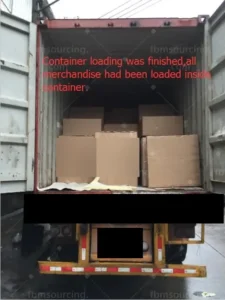
Whichever route you compare, apply one test: who inspects the goods before they ship, and who answers if they arrive wrong? Factory direct means you inspect, or nobody does. Trading company means the seller self-inspects. An agent inspects on your behalf and reports with photos before loading — see how that works across real projects in our procurement case studies, and our guide on how to evaluate a sourcing agent lists the verification questions to ask.
Sourcing this for a commercial project?
FBM Sourcing works with project owners, developers, main contractors and FF&E contractors on hotel, apartment, school, office and other commercial building projects. Send us your BOQ, drawings or product list — our team will review it and get back to you.
Sourcing Agent vs Trading Company — Frequently Asked Questions
Which is better for a project order: a sourcing agent or a trading company?
For multi-category project orders — hotels, apartment blocks, villas — a sourcing agent is usually the better route: a 5% commission for suppliers you nominate (products we source for you are quoted at a direct price), and one accountable partner for QC and consolidation. A trading company suits small mixed orders where convenience matters more than price transparency.
How much margin does a trading company add?
It varies by company and is built into the unit price rather than disclosed. On a small order that markup buys convenience; on a container-scale project order it compounds badly, and you rarely know which factory produced the goods.
When is buying direct from a Chinese factory the best option?
When you buy one product category in volume, order repeatedly so the factory values the relationship, and can arrange your own quality inspections in China. Project buyers who need ten or more categories at modest quantities per category rarely fit this profile.
Who inspects the goods before shipment in each model?
Factory direct: you inspect, or nobody does. Trading company: the seller inspects its own goods. Sourcing agent: the agent inspects on your behalf and reports with photos before the container is loaded.
Get a China Procurement Quote for Your Project
If your order spans multiple product categories for one development, send us the drawings, quantities, destination port and timeline. our team will review your requirements and get back to you. Submit your project requirements here.
Related reading
- Hospitality Purchasing Group vs Independent China Sourcing Agent: Which Fits Your Hotel Project?
- Best Value Furniture Procurement from China: How Project Buyers Compare Price, Quality and Risk
- Sliding vs Casement Windows: Which Should Your Project Source from China?
Related reading
Related reading
- What a china sourcing agent fee actually covers, line by line
- What Does ‘Factory Direct’ Really Mean When Buying from China?