A hospitality purchasing group and an independent China sourcing agent and sourcing partner solve overlapping but different procurement problems, and hotel developers often default to whichever one they encountered first rather than evaluating which actually fits a specific project. This guide breaks down what each model offers, where each is stronger, and how the two can work together rather than being treated as competing choices.
What a Hospitality Purchasing Group Actually Does
A hospitality purchasing group — sometimes called a hotel buying group — negotiates volume pricing agreements with approved vendors across FF&E and OS&E categories, then offers member hotels access to those pre-negotiated rates. The value proposition is aggregated buying power: a purchasing group representing hundreds of member properties can negotiate better pricing from major suppliers than any single hotel could alone. Most groups operate on a vendor-approved-list model — members select from suppliers already vetted and contracted by the group, rather than sourcing custom items outside that list.
This model works well for standardized, repeatable purchases across brand-managed or franchise hotels — items where the specification does not change property to property and the priority is consistent pricing and vendor reliability across a portfolio. It is less suited to a single custom-build project sourcing furniture and materials to a unique architectural specification, since the purchasing group’s vendor list is built around standard SKUs rather than project-specific customization.
What an Independent China Sourcing Agent Does
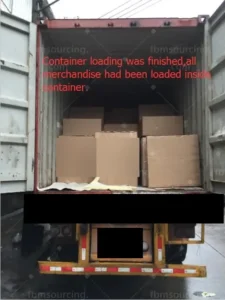
An independent china sourcing agent works directly with a developer or contractor on a specific project’s specification — custom furniture designs, project-specific finishes, building materials matched to an architect’s drawings — and manages sourcing, sampling, quality control, and shipping logistics for that project rather than offering access to a pre-negotiated vendor list. This model is built around flexibility: a sourcing agent can source virtually any product a project specifies, provided it fits within realistic MOQ and lead time constraints, rather than being limited to items a purchasing group has already contracted.
FBM Sourcing operates this way as a furniture sourcing agent and building material sourcing agent — working project by project with developers, contractors, and FF&E procurement companies on custom specifications rather than offering a fixed catalog of pre-approved vendors.
Key Differences Between the Two Models
- Specification flexibility: purchasing groups work from an approved vendor list of largely standard items; a sourcing agent can source to a custom architectural or interior design specification.
- Pricing basis: purchasing groups offer pre-negotiated volume rates across their full member base; a sourcing agent negotiates project-specific pricing based on your order volume alone.
- Best fit: purchasing groups suit branded, multi-property portfolios buying standardized items repeatedly; sourcing agents suit individual projects, custom builds, and one-off developments with unique specifications.
- Quality control ownership: purchasing group vendors are vetted at the group level, once, in advance; a sourcing agent inspects your specific order at the factory before every shipment.
- Relationship structure: purchasing groups typically charge membership or rebate-based fees; sourcing agents typically charge a commission on order value, tied to the specific project.
Sourcing this for a commercial project?
FBM Sourcing works with project owners, developers, main contractors and FF&E contractors on hotel, apartment, school, office and other commercial building projects. Send us your BOQ, drawings or product list — our team will review it and get back to you.
When a Hospitality Purchasing Group Is the Better Fit
If you are managing procurement across a multi-property brand or franchise portfolio buying largely standardized FF&E and OS&E — case goods, soft goods, guest amenities — repeatedly across many properties, a purchasing group’s negotiated rates and vendor reliability are likely to deliver more value than sourcing each property independently. The purchasing group model is built for exactly this use case: consistent items, repeated at scale, across a portfolio large enough to justify group-level vendor negotiation.
When an Independent China Sourcing Agent Is the Better Fit
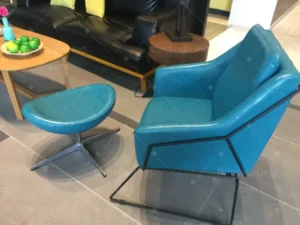
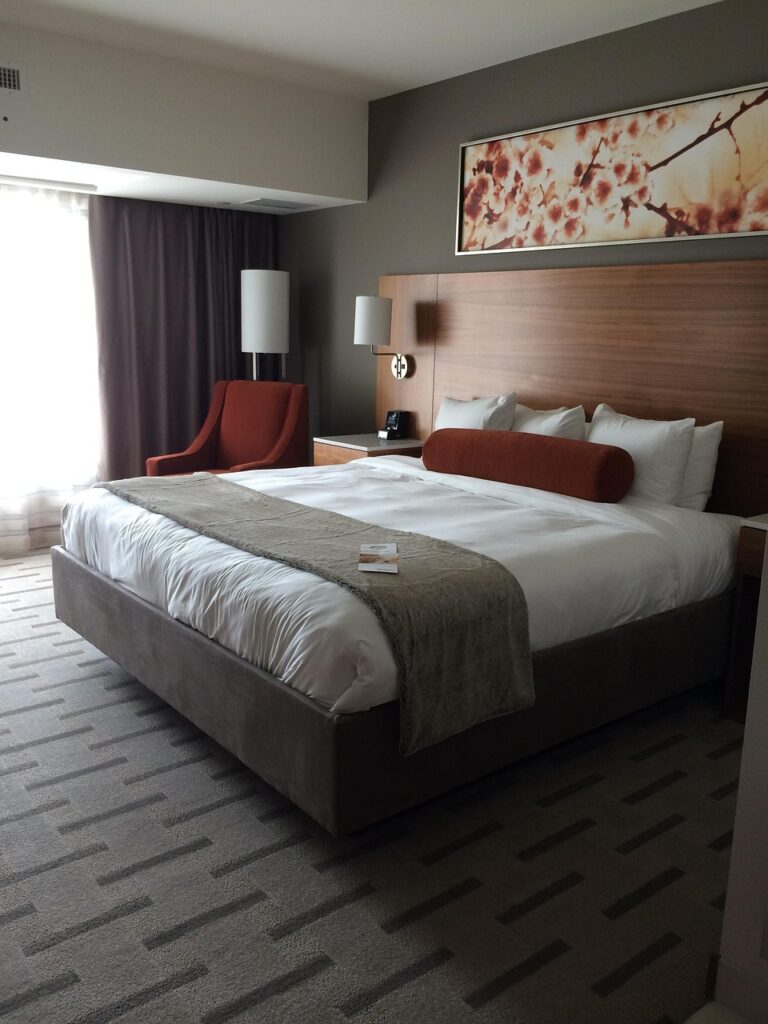
If you are developing a single hotel, resort, or boutique property with a custom interior design, architect-specified building materials, or furniture that does not match standard catalog items, a purchasing group’s approved vendor list will not cover your specification. This is the scenario an independent sourcing agent is built for — working from your actual drawings and design intent, sourcing factories that can build to that specification, and managing quality control on goods that do not exist as a pre-approved SKU anywhere. Most ground-up hotel developments and boutique or independent properties fall into this category, since a genuinely custom build rarely matches what a purchasing group’s vendor contracts already cover.
Can the Two Models Work Together?
Yes — many hotel developments use both. Standard OS&E items covered by an existing purchasing group agreement (linens, amenities, common branded fixtures) continue through that channel, while custom FF&E and building materials specific to the project’s architecture and interior design go through an independent sourcing agent managing the China side of that specific order. The two are not mutually exclusive procurement channels; they cover different categories of the same project’s overall furniture and materials list.
Questions to Ask Before Choosing Either Route
For a purchasing group: which vendors are actually on the approved list, and do any of them manufacture in China with export experience, or are they domestic distributors reselling imported goods at a markup? For a sourcing agent: what is the fee structure, what quality control process is included as standard, and does the agent have direct factory relationships in the specific product categories your project needs, or are they also working through intermediaries?
Buying groups are one of three models that hotel owners and contractors weigh; our comparison of hospitality procurement companies puts them next to purchasing agents and China sourcing partners.
Get a China Procurement Quote for Your Project
If your hotel or hospitality project needs custom FF&E or building materials sourced and inspected directly from China, send us your drawings or specifications, product categories, destination port, and timeline.
Submit your project requirements and our team will respond with a sourcing plan. For related reading, see our guides on how much a China sourcing agent costs and sourcing agents vs buying direct from a factory or trading company.
Related reading