A window and door drawing takeoff converts the schedule in your tender set into a factory order sheet: every opening tag restated with confirmed structural opening size, handing, frame and profile system, glass build-up, hardware set, finish and the compliance standard it must meet in the destination country. It is the highest-risk takeoff in a building package, because a single transposed dimension or wrong handing becomes a non-compliant or unusable unit that has already crossed an ocean.
What Is a Window and Door Schedule Takeoff?
Most tender sets carry a door schedule and a window schedule — a table of opening tags (D01, W02…) with sizes, types and remarks, cross-referenced to plans and elevations. A factory cannot produce from that table alone: it prices and manufactures from a fuller data set than the schedule usually holds. The takeoff is the work of extracting, checking and completing that data set before it becomes an order.
What Gets Extracted for Every Opening
- Tag and count — each schedule line checked against the floor plans, level by level, so the order quantity matches what is actually drawn
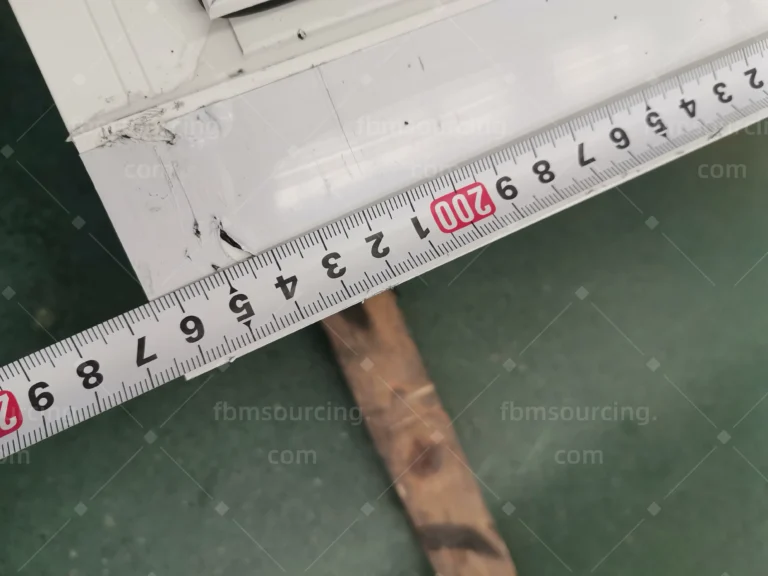
- Opening size — structural opening vs frame size vs sash size made explicit; tolerances stated instead of assumed
- Handing and swing — confirmed from the plan, not the schedule remark column
- Glass build-up — thickness, toughening, laminating, Low-E coating and spacer, tied to the energy and safety standard of the destination market
- Profile system and thermal break — the aluminum system the factory will actually extrude, matched to spans and wind loads
- Hardware set — hinges, locks, closers and restrictors by opening type, with brand-equivalence rules stated
- Compliance per opening — fire rating, egress, safety glazing zones, and the destination standard (AS 2047, NFRC/AAMA, CE/UKCA) written against each tag, not as a general note
- Finish — powder-coat or anodising specification with a physical reference, because a RAL name alone is not a color standard on a production line
Once the schedule is complete, it still has to be turned into an enquiry a factory can price.
Sourcing this for a commercial project?
FBM Sourcing works with project owners, developers, main contractors and FF&E contractors on hotel, apartment, school, office and other commercial building projects. Send us your BOQ, drawings or product list — our team will review it and get back to you.
Why Cross-Checking the Schedule Against the Drawings Matters
Schedules and drawings drift apart during design revisions — a revised elevation adds two openings the schedule never picked up, or the schedule carries quantities from a superseded floor plan. The takeoff counts openings on the plans independently and reconciles the two totals. Conflicts are flagged back as written queries keyed to the opening tags; they are never silently resolved by whoever happens to be reading the drawing at the factory. The same discipline applies to units: mixed metric and imperial dimensions are one of the standard failure points when specifications reach Chinese factories.
From Takeoff to Factory Order Sheet
The completed takeoff becomes two documents. First, an RFQ that competing window and door factories can price like-for-like — part of the wider split described in how a sourcing agent splits your BOQ into factory-level RFQs. Second, after the quotation is approved, the factory order sheet: the tag-by-tag production reference against which shop drawings are produced and checked. Custom openings then go through the factory’s own shop drawings before tooling — why that loop exists, and what it fixes, is covered in how a sourcing agent works with CAD and shop drawings.
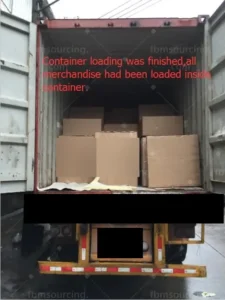
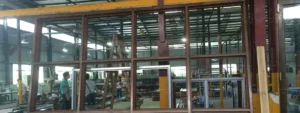
Production is followed against the order sheet, and our own team inspects at the factory before shipment — frame dimensions, glass build-ups, hardware and finish checked opening type by opening type, with photo and video records. Sometimes, on a large project, the windows and doors alone fill full containers; sometimes the windows and doors share containers with the other product categories of the same project; and sometimes, in one batch, we combine a dozen or more product categories from several projects of the same client into a few containers — always full containers, and for us this is routine, well-practised work.
Before your schedule goes out for takeoff, it is worth checking the source BOQ itself — see 5 mistakes to avoid before sending your BOQ to China for the errors that most commonly delay quotations.
How FBM Sourcing Handles Window & Door Takeoff
FBM Sourcing manages the entire China procurement package for overseas construction projects. Window and door takeoff is one stage of the BOQ & drawing takeoff service, which runs from your tender documents to factory production orders under one team — the full chain is mapped in how to send a BOQ or drawings to a China sourcing agent. If you have a schedule ready, send it with your drawings and our team will review it and get back to you.
Related Guides in This Chain
Around this stage: how the wider bill is split into factory-level RFQs, what the returned quotation includes and excludes, and why shop drawings rather than design drawings are what the factory actually builds from.