A sourcing agent splits a Bill of Quantities the way China’s factory landscape is actually organized: by narrow product category. One BOQ for an apartment or hotel project typically becomes six to ten separate RFQ packages — windows, doors, cabinets, tiles, sanitaryware, lighting, furniture, metalwork — each restated in the specification language of the factory type that manufactures it. The prices then come back onto one quotation, mapped line by line to the original BOQ numbering, so the buyer can audit it against the tender document they already use.
Why Can’t One Chinese Supplier Quote the Whole BOQ?
Because no single factory makes more than a sliver of it. Chinese building-material and furniture production is specialized to a degree that surprises most first-time project buyers: the factory that extrudes and assembles aluminum windows has no tooling for doors beyond its own system; toilets, faucets and bathroom accessories come from three different factory types; a loose-furniture factory does not press tiles. Across a full project BOQ, one factory type’s lines cover only a small fraction of the categories — the structure is broken down in how specialized China’s building materials and furniture supply chain is.
Send a whole BOQ to any single supplier and one of two things happens. Either they quote only the lines they understand and you assemble the rest yourself, or they quote everything — which means the lines outside their own production are being re-traded through other factories with margins you cannot see.
How the Split Actually Works
The takeoff starts with a line-by-line read of the BOQ against the drawings, then groups lines into RFQ packages along factory-type boundaries. On a typical mid-size project that looks like:
- Aluminum windows and glazed doors — one RFQ, written around profile system, glass build-up and destination standard (AS 2047, NFRC/AAMA, CE/UKCA)
- Interior and fire-rated doors — separate RFQ; timber doors and fire-rated steel doors often split again into two factory types
- Kitchen and wardrobe cabinetry — RFQ built from unit elevations and finishes schedule, priced per unit type
- Tiles and stone — quantities restated in square metres with wastage allowances made explicit
- Sanitaryware and tapware — split by factory type: ceramics, faucets and mixers, and accessories are different producers
- Lighting — decorative and technical lighting separated, with electrical certification requirements per market
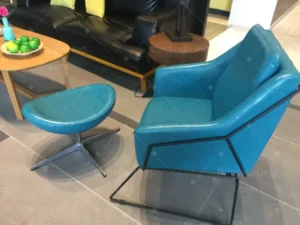
- Loose and fixed furniture — loose FF&E to furniture factories; fixed joinery usually travels with the cabinetry or millwork RFQ
- Architectural metalwork — railings, screens and custom steel items, drawn from the drawings rather than the BOQ text
Every line keeps a reference back to its original BOQ item code. That single discipline is what makes the final quotation auditable — and it is the step most buyers skip when they email a BOQ around factory sales inboxes on their own.
Sourcing this for a commercial project?
FBM Sourcing works with project owners, developers, main contractors and FF&E contractors on hotel, apartment, school, office and other commercial building projects. Send us your BOQ, drawings or product list — our team will review it and get back to you.
What Goes Into Each Factory-Level RFQ?
A factory-level RFQ is not a photocopy of the relevant BOQ pages. Each package carries:
- Quantities and units restated for production — metric conversions confirmed rather than assumed (see metric vs imperial specifications for Chinese factories)
- Drawing extracts for the items that RFQ covers — a windows factory gets the elevations and the schedule, not the whole tender set; for openings this is its own discipline, covered in window and door drawing takeoff: from schedule to order sheet
- Specification gaps flagged as written questions — missing dimensions, unnamed finishes and conflicting quantities go back to the buyer’s team as a query list keyed to BOQ item codes, before pricing
- Destination compliance requirements per line — fire ratings, glazing standards, formaldehyde and electrical certification written into the RFQ so quotations already include compliant specifications
What an RFQ package needs for a factory to price it accurately is a subject of its own — the field-by-field breakdown is in what an RFQ package needs for an accurate factory quote.
How Do the Quotations Come Back Together?
Each RFQ is tendered across competing specialized factories, and the returned prices are consolidated onto one quotation that reads row-for-row against the original BOQ. FBM Sourcing manages the entire China procurement package for overseas construction projects. The quotation is issued under FBM Sourcing’s own name: For suppliers you nominate, we charge a 5% commission; for products we source for you, we quote a direct price.
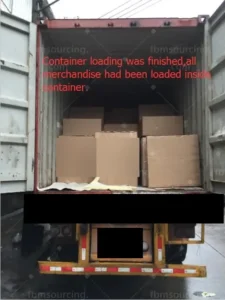
After approval, the same category structure carries through production: samples and shop drawings per factory, our own team’s inspection at each factory before shipment, and consolidation of all categories into one container program. Sometimes, on a large project, the windows and doors alone fill full containers; sometimes the windows and doors share containers with the other product categories of the same project; and sometimes, in one batch, we combine a dozen or more product categories from several projects of the same client into a few containers — always full containers, and for us this is routine, well-practised work.
Where This Fits in the Full Chain
Splitting the BOQ is stage one of the document-to-order chain described in our hub guide, how to send a BOQ or drawings to a China sourcing agent. The whole chain — takeoff, RFQs, comparable quotation, shop-drawing approval and factory production orders — runs as one service: the FBM Sourcing BOQ & drawing takeoff service. If you have a live BOQ, send it through the main procurement page and our team will review it and get back to you.
Related Guides in This Chain
The document chain around this stage: what the resulting BOQ-based quotation includes and excludes, what happens at shop-drawing stage once a price is approved, and the 5 mistakes worth checking before a BOQ goes out in the first place.