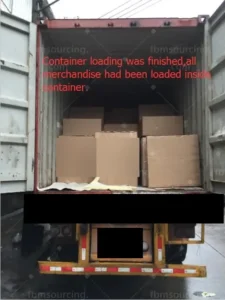
A first-time buyer picturing a factory visit in China usually imagines one stop: one factory, one showroom, a handshake, an order. What a properly organized visit with a sourcing agent actually looks like is closer to a short, sequenced tour of a few specialized factories, each one selected because it genuinely runs the production line for one product category on your project — not because it happens to have a large showroom covering everything at once.
Why the Itinerary Is Built Around Product Category, Not Convenience
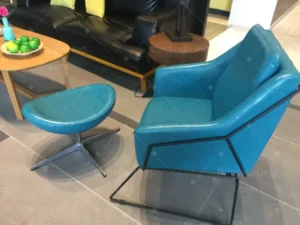
China’s building materials and furniture supply chain is deeply specialized: a factory that manufactures aluminum windows does not also manufacture solid wood casegoods, and a factory with an impressive multi-category showroom is very often a trading company reselling other factories’ output under one roof, not a single production site. An itinerary built around “which factory is closest to the airport” or “which one has the biggest showroom” optimizes for a comfortable day, not for seeing actual production capability. A properly sequenced visit groups factories by the categories your project actually needs — doors on one stop, sanitaryware on another, furniture on a third — and each stop is selected because that specific facility runs that specific production line.
What a Genuine Factory Visit Should Show You
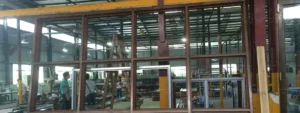
On the shop floor, the things worth looking for are not just the finished product on display, but the process behind it: raw material in-process (timber stacks, aluminum extrusion coils, ceramic slip tanks depending on category), work-in-progress at multiple stages rather than only finished goods, quality control stations with visible inspection equipment and records, and a warehouse of outbound goods that matches the scale the factory claims. A showroom alone, disconnected from a visible production floor behind it, is a signal that what you’re looking at may be curated for buyers rather than reflective of actual daily manufacturing.
The Multi-Factory Day: What the Schedule Actually Looks Like
A typical visit day for a multi-category project runs a few factory stops, each allocated enough time to walk the full production floor, review samples against your specification, discuss lead time and MOQ for your actual order size, and raise any compliance documentation questions on the spot rather than by follow-up email. Travel time between factories in the same industrial cluster (Foshan for furniture and ceramics, for example) is usually 20–45 minutes; visits spanning factories in different provinces (aluminum in one region, sanitaryware in another) require either a multi-day itinerary or accepting that some categories will be vetted through documentation and video call rather than an in-person stop on a short trip.
Why FBM Only Brings Clients to Factories with an Actual Production Line in That Category
The selection logic behind which factories make it onto a visit itinerary matters more than the visit itself. FBM Sourcing’s approach is to only bring a client to factories that run an actual, verifiable production line for the specific product category being sourced — not a showroom stocked with other companies’ output, and not a factory whose “other product lines” turn out on closer inspection to be a different company entirely operating under the same roof or the same ownership group. This distinction matters because a factory that genuinely manufactures what it shows you carries direct accountability for quality and lead time; a factory reselling someone else’s product adds a layer neither party discloses upfront, and it surfaces later as inconsistent quality or missed delivery dates traced back to a subcontractor the buyer never met.
Planning a factory visit for your project?
FBM Sourcing arranges factory visit itineraries built around your project’s actual product categories — each stop selected because that facility genuinely runs the production line you need to see, not because it has a large showroom.
Questions Worth Asking on the Factory Floor, Not After You Leave
The most useful factory-visit questions are ones that only make sense to ask while standing in the facility: what percentage of current production is allocated to your product category versus others running through the same floor, what the current order backlog looks like (a factory quoting a fast lead time while the floor shows a backlog stacked to the ceiling is worth a follow-up question), which quality control checkpoints exist between raw material intake and finished goods packing, and whether the English-speaking staff member accompanying you is factory sales staff or an outside agent — the answer affects how directly your questions are actually reaching production management.
What Happens Between Visits: Preparation and Follow-Up
The visit itself is the shortest part of the process. Before travel, each factory on the itinerary should already have been through an initial documentation and capability screening so the visit is confirming fit, not discovering basic disqualifiers on the day. After each stop, notes on production capability, sample quality and any open questions should be logged against that specific factory before moving to the next one — five factories visited in two days blur together quickly without contemporaneous notes, and decisions made from memory a week later are less reliable than decisions made from same-day records.
How FBM Sourcing Structures Factory Visits
FBM Sourcing manages the entire China procurement package for overseas construction projects. When a client visits China, the itinerary is built around the project’s actual product categories, and every factory on the schedule has already passed an initial capability screening confirming it runs a real production line in that category — the visit exists to confirm fit and resolve open questions in person, not to discover from scratch whether a factory can do the work. All quotations, invoices and shipping documents are issued by FBM Sourcing — you deal with us, and we carry the responsibility.
If you are planning a trip to China to see factories for your project, tell us your product categories and travel window, and we will build an itinerary around facilities that actually manufacture what you need.