
Kerb and edging manufacturers in China include natural stone kerb producers, precast concrete kerb makers, porcelain and composite edge unit makers, metal edging fabricators and landscape contractors that supply edgings with paving and bedding materials. A kerb or edging holds the edge of a paved or planted area, and each route supplies a different material, profile library and tolerance under the same name.
This guide sorts the supply side into five sourcing routes so a procurement team can send one brief to the right makers and compare the answers fairly. It is not a ranking. No factory is named or scored here, and no claim is made about the strength, frost resistance or slip resistance of any unit. The landscape designer, the project specification and the local authority define those requirements, and each maker must show evidence for the exact unit it offers. For related products, see our guides to porcelain pavers versus natural stone, natural stone slab manufacturers and street furniture manufacturers.
What should a kerb and edging brief state?
A brief that says only “granite kerb, grey, 500 metres” produces quotations that cannot be compared, because profile, length and finish are left open. State at least the following, copied from the landscape drawings and the specification.
- Drawing reference and run lengths: each kerb or edge type with its location and the total length per type.
- Profile: the section drawn by the designer, with face height, width, top shape and any chamfer or radius, as dimensions and not as a catalogue name.
- Unit length and tolerance: the standard length, cut lengths and the tolerance the project allows.
- Curves and corners: radius units, external and internal corners and drop kerbs, with quantities.
- Material and finish: the material named by the specification, the surface finish and the colour reference, with an approved sample.
- Laying and bedding: haunching, bedding and joint details the designer draws, and who supplies the bedding and jointing materials.
- Use and exposure: pedestrian, vehicle or service use and the climate, as the project states them.
- Packing and handling: how units are stacked, strapped and protected, and the unit weight for site handling.
- Documents: the data sheets, test reports and installation instructions the project requires.
Five sourcing routes for kerbs and edgings
1. Natural stone kerb producers
A natural-stone kerb enquiry should identify the stone source, section, finish and the required unit lengths. Ask for the stone name as the specification writes it, the section drawing with tolerances, the finish and a sample of a unit with a corner and a radius piece, and approve colour on a sample from the same quarry source. See our guide to sourcing marble and natural stone from China.
2. Precast concrete kerb makers
For precast concrete kerbs and edgings, confirm the offered section, colour and finish against the project drawing and approved sample. Ask for the mould profile drawing, the mix and finish description, the unit weight and a sample of a unit with its corner and radius pieces, and confirm how colour consistency is controlled between batches.
3. Porcelain and composite edge unit makers
Porcelain or composite edge units may be offered alongside paving; define the material, profile and intended use rather than assigning a duty from the material name. Ask for the unit description, the thickness and the matching paving reference, and request a laid sample with the paving it accompanies. Confirm whether the unit is suited to the traffic and exposure the project states.
4. Metal edging fabricators
For metal edging, identify the specified metal, section and intended location, and ask the maker to state the proposed forming method. Ask for the section drawing, the material thickness, the finish and the stake or fixing detail, and approve a sample of a joint and a curved piece. See our guide to stainless steel fabrication where stainless is specified.
5. Landscape contractors supplying edgings with paving
Some companies supply kerbs and edgings together with paving units and bedding materials as a package. Agree who coordinates the paving-and-edge interface. Ask the contractor to price each unit type on its own line and identify its maker so that the product evidence and installation responsibilities can be checked.
For covers and gratings set into paved areas, see our guide to manhole cover and drainage grating manufacturers in China.
Sourcing this for a commercial project?
FBM Sourcing manages the entire China procurement package for overseas construction projects. We work with Developers · General Contractors · Builders · Commercial Project Owners · Interior Design & Construction Companies · FF&E Solution Providers. Send your BOQ, drawings or product schedule for review.
Where a project specifies European product standards, distinguish EN 1340 for unreinforced precast concrete kerb units from EN 1343:2012 for natural-stone kerbs for external paving. The public EN 1340 scope does not set the section, shape and dimensions apart from tolerances: issue the actual profile drawing. Record the required standard edition and performance evidence for the offered unit; a material name alone does not establish traffic, frost or slip suitability.
How to compare kerb quotations
- Section and tolerance: profile dimensions and allowed variation on every line.
- Material and finish: the material name, finish and colour reference named on each line.
- Special units: radius, corner and drop pieces listed with quantities.
- Units of measure: price per metre, per piece or per tonne, and the length assumed.
- Evidence: which test reports are offered for the exact unit, with the date and the body that issued them.
- Packing: how units are stacked and protected, and the weight of each pack.
- Exclusions and substitutions: any change of material, section or finish the maker proposes.
A quotation that is cheaper on one line may be thinner on another. Read the descriptions side by side before reading the totals.
Samples, approval and acceptance on delivery
Approve a sample of each unit type, including one corner or radius piece, before bulk production, and record the approval in writing against the drawing reference. Lay the sample against a paving sample so that height, joint and colour are seen together. Keep the approved sample as the reference for the bulk order.
On delivery, check a sample of packs against the order: section, length, finish, special units and quantity. Record observations promptly with photographs under the agreed delivery and claims procedure.
What evidence to ask each route for
Evidence should be requested for the exact unit, not for a product family. Ask for the following in writing and keep the answers with the quotation.
- Stone producers: the stone name, section drawing with tolerances and a finished sample.
- Concrete makers: mould profile drawing, mix and finish description and unit weight.
- Porcelain and composite makers: unit description and a sample laid with the matching paving.
- Metal fabricators: section drawing, material thickness, finish and a jointed sample.
- Landscape contractors: the name of each unit maker, separate price lines and a laying method statement.
Specification gaps to close before quotation
A quotation cannot answer the questions below for itself. Check that the brief answers these questions before it goes out.
- Is each kerb type drawn with face height, width and top shape?
- Which material, finish and colour does the specification name, and on which sample?
- Are radius, corner and drop pieces in the package with quantities?
- Who supplies bedding, haunching and jointing materials?
- What use and exposure does the project state for each area?
- How are packs marked and what is the unit weight for site handling?
Next steps for a kerb and edging package
Send each maker the same brief and ask for answers in writing, line by line, with samples or documents before bulk production. FBM Sourcing manages China procurement packages for overseas projects; furniture-only packages are also run through FBM Furniture.
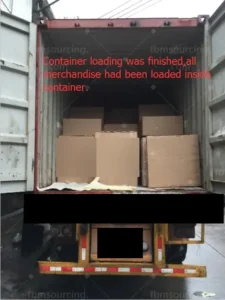
Sometimes, on a large project, the kerbs and edgings alone fill full containers; sometimes the kerbs and edgings share containers with the other product categories of the same project; and sometimes, in one batch, we combine a dozen or more product categories from several projects of the same client into a few containers — always full containers, and for us this is routine, well-practised work.
Questions buyers ask about kerbs and edgings from China
Can kerb quotations be compared by price per metre alone?
No. A price per metre says nothing about profile, material, finish or special units. Compare section, material, finish and the special-unit list on each line before comparing totals.
Who decides the kerb profile and material?
The landscape designer and the project specification decide, based on the use and the exposure of each area. Name the requirement in the brief and ask each maker to quote that section.
Should corner and radius units be quoted with the straight lengths?
Quote them on separate lines with quantities, even when one maker supplies everything, so that missing pieces appear before the order and not on site.
Do kerbs need a sample before ordering?
Yes. Approve a sample of each unit type, including a corner or radius piece, and keep it as the reference for the bulk order.
How does FBM Sourcing support this kind of package?
We review the brief, collect comparable quotations and manage the package for the project. For suppliers you nominate, we charge a 5% commission; for products we source for you, we quote a direct price. Our own team performs one inspection after bulk production is complete and before shipment, and the client’s project team is welcome to attend.
FBM Sourcing manages the entire China procurement package for overseas construction projects. We work with Developers · General Contractors · Builders · Commercial Project Owners · Interior Design & Construction Companies · FF&E Solution Providers.