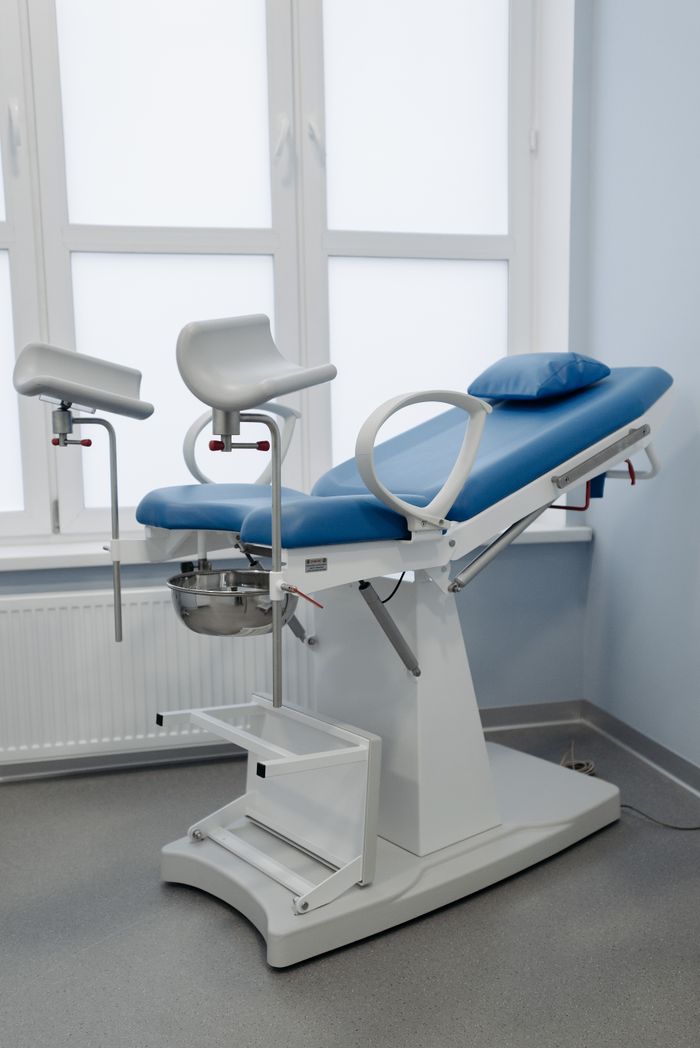
Hospital furniture procurement from China works for healthcare facility construction projects when three things are locked down before any order is placed: written performance standards for every item (fire ratings, cleanability, load ratings), a factory verification and inspection plan run by your sourcing agent’s own team on the ground, and a delivery schedule built backwards from your commissioning date, using the factory’s written production lead time plus the carrier’s confirmed transit time. A china sourcing agent and sourcing partner manages all three on your behalf — consolidating patient room furniture, waiting area seating, nurse station casework, doors, flooring and sanitary ware from multiple specialist factories into one QC-controlled, container-optimized program. What does not work is treating a hospital like a hotel: healthcare projects carry infection-control, durability and code requirements that standard commercial furniture lines are not built to meet.
Quick Summary: Hospital Procurement Decisions at a Glance
| Issue | Our Judgment | Recommended Action |
|---|---|---|
| Can hospital-grade furniture be sourced from China? | Yes — China produces healthcare furniture for export markets, but only a minority of factories hold the right test reports | Pre-qualify factories against your spec before quoting, not after |
| Biggest risk | Substitution of materials (foam, laminates, coatings) between sample and bulk production | One inspection by our own team after bulk production is finished, covering the critical items |
| Lead time | Confirmed by the factory in writing; for custom items, plan for about four months between deposit and shipment | Order long-lead items (casework, doors, headwalls) first, loose furniture second |
| Who should manage it | Not the general contractor’s site team — they cannot audit factories remotely | Appoint a sourcing agent with healthcare or hospitality FF&E project experience |
What Makes Healthcare Facility Construction Procurement Different
A hospital or clinic project buys across more categories than almost any other building type. A typical mid-size healthcare facility procurement list includes patient room furniture (beds excluded if medical-device classified in your market, overbed tables, wardrobes, recliners), waiting and reception seating, nurse station and pharmacy casework, staff area furniture, plus building materials: hermetic and solid-core doors, homogeneous vinyl or porcelain flooring, wall protection, handrail systems, sanitary ware and stainless fittings. Sourcing these from a single trading company rarely works — each category has its own specialist factory cluster in China, and no single factory makes all of them well.
The second difference is the standard of care on materials. Healthcare interiors are cleaned with hospital-grade disinfectants daily. Surfaces that survive a hotel for ten years can delaminate in a hospital in two. Before ordering, your specification should state, item by item:
- Upholstery: healthcare-grade vinyl or polyurethane, minimum 300,000 double rubs, cleanable with quaternary and bleach-based disinfectants, sealed seams on patient-contact items
- Fire performance: CAL TB 117-2013 for the US, Crib 5 (BS 5852) for the UK, AS/NZS 3837 or equivalent group rating for Australia — matched to your market, in writing
- Casework and panels: moisture-resistant cores, CARB Phase 2 / TSCA Title VI compliant boards for US projects, the REACH limit of 0.062 mg/m³ for furniture and wood-based articles placed on the EU market after 6 August 2026, and the class the specification names for the Gulf
- Metal components: powder-coated or 304 stainless steel in wet and clinical areas, load ratings documented for wall-mounted items
- Flooring and doors: slip ratings (R10+ in wet areas), acoustic and fire door certification with test reports traceable to the actual factory
If a factory cannot produce current third-party test reports against these points, it is quoting you a hotel product with a hospital name on it. This is exactly the gap where commercial-grade versus residential furniture distinctions matter most — and in healthcare the bar sits another level above standard commercial.
How Does a Sourcing Agent Verify Hospital-Grade Quality in China?
This is the question project owners ask most, and the honest answer is: through physical presence, not paperwork alone. Certificates can be borrowed; factories can subcontract; the sample you approve can be built in a different workshop than the bulk order. A building material sourcing agent working on healthcare projects runs a verification sequence that looks like this:
- Factory audit before quoting — confirm the factory owns the production lines for your category, check export history to your market, and review which test reports are genuinely theirs
- Pre-production sample approval — a physical control sample of each critical item, signed off against the spec sheet and retained as the QC reference
- Pre-shipment inspection — AQL-based checks on finish, function, load and packaging, plus verification that certification labels match the documentation
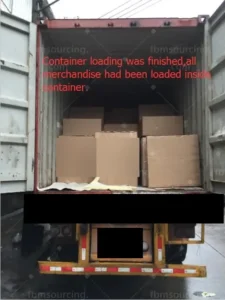
- Loading supervision — correct packing sequence, moisture protection, and container condition photographed before sealing
Sourcing this for a commercial project?
FBM Sourcing works with project owners, developers, main contractors and FF&E contractors on hotel, apartment, school, office and other commercial building projects. Send us your BOQ, drawings or product list — our team will review it and get back to you.
How Is the China Hospital Furniture Market Organized, and Where Is Production Concentrated?
The china hospital furniture market splits into two distinct supply chains, and knowing which one you are buying from matters more than any brochure. Medical-device-class items — electric hospital beds, ICU beds, overbed tables, medical trolleys — come from specialist manufacturers concentrated in Jiangsu and Hebei provinces, operate under medical-device quality systems, and are tested to standards such as IEC 60601-2-52 for medical beds. General healthcare FF&E — waiting-area seating, nurse-station millwork, patient wardrobes, consultation-room desks — comes largely out of the Guangdong furniture belt around Foshan, produced by contract furniture factories that also serve hotels and offices.
For a hospital or clinic construction project this split has three practical consequences. First, a single “hospital furniture supplier” rarely manufactures both categories well; complete packages are normally assembled from several factories and consolidated for shipping. Second, the paperwork differs: device-class items carry medical certifications and registration documents, while general FF&E is specified through the same durability, fire and formaldehyde standards used in other commercial projects. Third, pricing behaves differently — device-class products are quoted per model with limited customization, while healthcare FF&E is quoted from drawings like any contract furniture package. A sourcing agent’s job on a hospital package is to run both supply chains in parallel and land them in the same container plan.
Timeline and Budget Structure for Hospital Furniture Procurement
Realistic lead times, category by category
Healthcare projects fail on procurement timing more often than on price. New build hospital and clinic programs should plan around these ranges from order confirmation:
| Category | Production | At a Glance |
|---|---|---|
| Custom casework, nurse stations, wardrobes | Confirmed by the factory in writing | Order first — longest lead, hardest to substitute locally |
| Patient room and waiting furniture | Confirmed by the factory in writing | Fabric/vinyl approvals are the usual delay — approve early |
| Doors (hermetic, solid-core, fire-rated) | Confirmed by the factory in writing | Confirm certified cores and hardware compatibility at sample stage |
| Flooring, wall protection, sanitary ware | Confirmed by the factory in writing | Often stocked or semi-stocked; batch consistency is the QC focus |
Add ocean transit, which depends on destination and is confirmed by the carrier at booking. A hospital project typically ships in several consolidated dispatches, sequenced so that fit-out trades receive materials in installation order rather than in one unmanageable delivery.
Where the budget actually goes
On a consolidated healthcare FF&E program, ex-factory product cost is usually the largest share of the landed budget; the remainder is packing, inland haulage, ocean freight, insurance, destination charges and duties. Quoting FOB or DDP changes who carries which risk — agree the incoterm before comparing any two quotes, otherwise you are comparing different scopes. China sourcing on healthcare furniture and materials should be compared against equivalent-specification products bought through import distributors in the US or Australia on a full landed-cost basis — and the comparison only holds when the QC cost on the China side is included honestly.
Common Mistakes in Hospital Procurement from China — and How Projects Avoid Them
Mistake 1: Specifying by photograph instead of by performance
Healthcare FF&E schedules assembled from design-intent images invite factories to quote whatever their nearest-looking product is. Two quotes for “waiting room chair, as image” can differ significantly because one is quoting hospitality-grade vinyl on a plywood frame and the other healthcare vinyl on a steel frame with sealed seams. The fix costs nothing: attach a one-page performance sheet per item — materials, fire standard, cleanability requirement, load rating, warranty expectation — and require factories to quote against it line by line. Deviations must be declared in writing, which turns quote comparison from guesswork into engineering.
Mistake 2: Letting the fit-out contractor’s schedule drive the order date
Hospital fit-out programs habitually issue furniture packages last, after mechanical and electrical scopes. But casework, hermetic doors and headwall joinery from China carry the longest production lead times plus the sea leg — they belong on the procurement critical path with the long-lead building services, not with the loose furniture. Projects that split the package into an early “built-in and door” order and a later “loose furniture” order routinely gain time against projects that tender everything as one late package.
Mistake 3: Accepting factory self-inspection as the QC plan
Every factory offers to send photos before shipment. Photos verify that products exist, not that foam densities, board grades and weld quality match the approved sample. On healthcare orders a full inspection before shipment is the cheapest insurance in the project, because the alternative to catching a substituted material in Foshan is discovering it during infection-control review after installation, with a full replacement cycle and a stopped handover.
Mistake 4: Ignoring the installation sequence at loading
A hospital receives goods by department and by floor. Containers packed for maximum density without regard to unloading order force site teams to unpack three containers to furnish one ward. Loading plans should be written room-schedule-first: each container maps to a delivery zone, cartons carry room codes, and the last container loaded is the first area installed. This is planning work done in China that saves site crews in the destination country real time.
What to Send a Sourcing Agent to Get an Accurate Hospital Quote
One structural decision shapes everything above: whether the healthcare furniture package is bought by the main contractor, a nominated FF&E contractor, or the owner directly. All three models work with a China program, but the QC and documentation scope must sit with whoever carries the handover obligation — on hospital work that is usually the party answering to the health authority’s commissioning inspection, and the inspection evidence pack (test reports, batch records, inspection photos tied to purchase orders) should be built up order by order and completed with the photos from the pre-shipment inspection, rather than assembled retroactively when the commissioning team asks for it.
Healthcare quotes built from vague lists get revised three times and delay the program. Quotes built from complete information hold. Send: your room data sheets or FF&E schedule with quantities, drawings for any custom casework, the applicable standards for your market (or ask the agent to propose them), destination port, and required-on-site dates. Send a complete package and our team will review it and get back to you. If your bill of quantities is still in progress, our note on what happens after you send a BOQ to a sourcing agent walks through the sequence step by step, and the fire documentation checklist in FF&E fire safety certificates from China applies to healthcare projects with the thresholds set higher.
For a market-level view of where healthcare furniture is manufactured and what compliance documentation to ask for, see our China Hospital and Healthcare Furniture Market and Export Data 2026.
FBM Furniture
If your package is mainly aged-care and healthcare furniture, see aged-care and healthcare furniture on fbmfurniture.com, the site of FBM Furniture, the furniture sourcing line of FBM Sourcing Limited.
Get a China Procurement Quote for Your Project
FBM Sourcing manages building materials and FF&E procurement from China for hospitals, clinics, aged-care and other commercial construction projects — factory selection, sample approval, QC inspection by FBM Sourcing’s own team with no factory affiliation (our team works for the buyer, not the manufacturer), consolidation and shipping to your destination port under one accountable scope. Send your drawings, room schedules, quantities, destination port and project timeline, and our team will review your requirements and get back to you.
Hospital beds themselves usually come from medical device factories rather than contract furniture plants. For the bed lines on a ward schedule, see our round-up of hospital bed manufacturers in China and the standard each model should be tested to.
Frequently Asked Questions
What lead time should hospital furniture procurement from China plan for?
A realistic hospital furniture program uses the factory’s written production lead time plus the carrier’s confirmed ocean transit, built backwards from your commissioning date; for custom items, plan for about four months between deposit and shipment.
How is the China hospital furniture market organized?
It splits into two distinct supply chains – medical-device-class items such as electric hospital beds and ICU beds come from specialist manufacturers in Jiangsu and Hebei tested to standards like IEC 60601-2-52, while general healthcare FF&E such as waiting-area seating and nurse-station casework comes from separate factories.
What is the most common mistake in hospital furniture procurement from China?
Specifying by photograph instead of by performance. Two quotes for “waiting room chair, as image” can differ significantly because one factory quotes hospitality-grade vinyl on a plywood frame and the other quotes healthcare-grade vinyl on a steel frame with sealed seams – a one-page performance sheet per item avoids this.
Related guide: our notes on sourcing routes for healthcare furniture for UK hospital projects.
The medical-bed standard changed in 2026. Before comparing bed quotations, check the current scope and model evidence in our guide to IEC 80601-2-52:2026 for medical beds.