Sample approval when sourcing from China runs through a fixed sequence: material and finish samples first, then a pre-production sample (also called a golden sample) of each custom item, then sign-off recorded in writing before any bulk production starts. For a commercial furniture or building material order, expect 7–15 days to produce a first sample, 1–3 revision rounds, and a signed-off golden sample that becomes the legal quality reference for the entire production run — every later inspection compares finished goods against it. Skipping or rushing this stage is the single most common root cause of disputes we see as a china sourcing agent and sourcing partner, because without an approved sample there is no objective standard to inspect against.
This guide walks through each sample type, realistic timelines and costs, what a proper approval record contains, and how sample approval connects to the quality inspections that follow. It pairs with our guide to what a hotel FF&E spec book should include — the spec book defines what you want; the sample proves the factory can build it.
What Types of Samples Are Used in China Sourcing?
Different sample types answer different questions, and a well-run project uses them in order rather than jumping straight to a finished prototype:
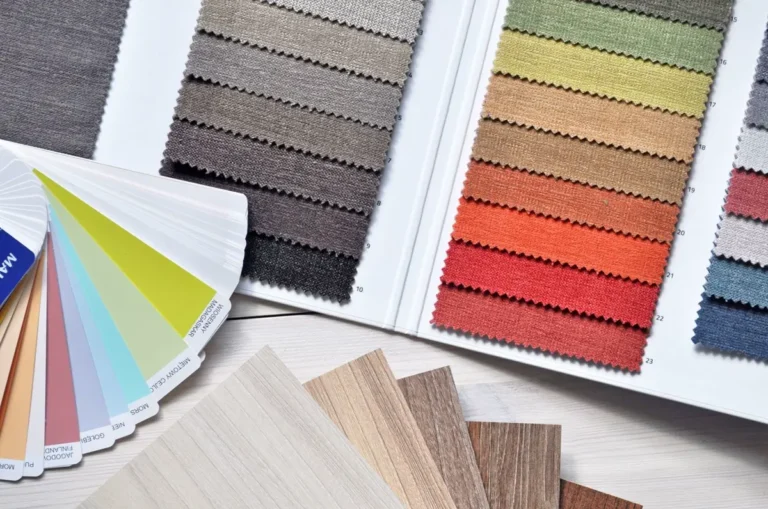
- Material and finish samples — timber veneer or laminate chips, metal finish plates, stone offcuts, tile pieces. Answer: is this the right material and colour? Usually free or low-cost, 3–7 days.
- CFA (Cutting For Approval) — a physical cutting from the actual fabric, leather or carpet production batch. Answer: does the real dye lot match the design intent? Standard practice for upholstery and window treatments, where dye-lot drift between the showroom swatch and the production roll is a known risk.
- Shop-drawing approval — the factory’s engineering drawings of your custom item, dimensioned for production. Answer: has the factory correctly interpreted the design? Native CAD files shorten this step because engineers develop drawings directly instead of redrawing from PDFs — see our note on how a sourcing agent works with CAD and shop drawings.
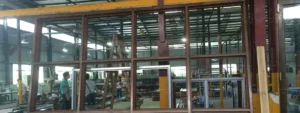
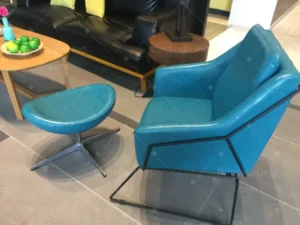
- Pre-production sample (golden sample) — one finished unit of each custom item, built with production materials and methods. Answer: is this exactly what will arrive in the container? 7–15 days per round for casegoods and seating; longer for complex metalwork or glazing units.
For hotel projects, the sample sequence often culminates in a full mock-up room built before bulk FF&E production — one complete guest room assembled with approved samples so the owner, operator and designer sign off the room as a system, not item by item.
How Long Does Sample Approval Take, and Who Pays for It?
Plan 3–6 weeks for the full sample cycle on a typical commercial package: first samples in 7–15 days, client review, one or two revision rounds at 7–10 days each, and formal sign-off. Complex items set the critical path — a sofa with custom upholstery finishes faster than a curved reception desk with integrated lighting.
On cost, the working convention in China is straightforward: buyers typically pay for sample production plus courier freight, and most factories credit the sample charge back against the bulk order when it is placed. Material chips and CFAs are generally free. Budget-wise this is a rounding error against the order value, and treating samples as a cost to minimise is a false economy — one revision round at the sample stage costs days; the same correction discovered after production costs weeks and a claim negotiation.
The scheduling point that matters for project buyers: sample time is inside your procurement critical path, not parallel to it. A programme that allows 45–60 days for production but zero for sampling is 3–6 weeks late before it starts. Our phase-by-phase FF&E procurement timeline shows where sampling sits in the full sequence.
Sourcing this for a commercial project?
FBM Sourcing works with project owners, developers, main contractors and FF&E contractors on hotel, apartment, school, office and other commercial building projects. Send us your BOQ, drawings or product list — our team will review it and get back to you.
What Should a Sample Approval Record Actually Contain?
A verbal “looks good” on a video call is not an approval. The record that protects both sides — and that any later inspection or claim will reference — contains five elements:
- Photographs of the approved sample from all faces, plus detail shots of joints, edges, hardware and finish transitions
- The measured dimension sheet confirming the sample matches the shop drawings within agreed tolerance (±2mm is a common casegoods standard)
- Material confirmations — board grade, foam density (contract seating commonly specifies 35–40 kg/m³ seat foam), fabric composition, coating type
- Certification references tied to the item: CAL 117-2013 or BS 5852 Crib 5 for upholstery, TSCA Title VI / CARB Phase 2 for composite wood, EN 12150 for tempered glass, with test reports to follow with shipping documents
- A dated, signed approval statement naming exactly which sample version is approved — because after two revision rounds, three physical versions of the same item exist
When FBM Sourcing manages a project, the retained golden sample stays sealed and labelled at the factory, and our inspection team’s later checks are run against it item by item.
How Does Sample Approval Connect to Production Quality Control?
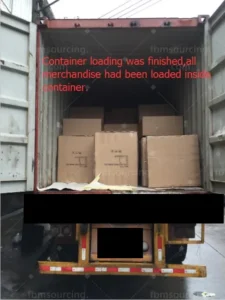
Sample approval only pays off if the inspection regime that follows actually references it. The approved sample defines the standard; production QC enforces it on the factory floor — materials, workmanship, dimensions and finish are checked against the approved sample before containers are loaded. Inspection on FBM Sourcing projects is carried out by our own team in the factory, with photo and video records delivered to the client, so an overseas project team can compare production units against the approved sample without travelling. The full sequence, including AQL sampling levels at final inspection, is covered in our guides to factory QC and inspection when sourcing from China and pre-shipment inspection and AQL sampling.
The discipline this sequence enforces is simple: no approved sample, no production start. On the rare project where a client wants to skip sampling to save three weeks, the honest advice from any experienced furniture sourcing agent is that those three weeks are the cheapest insurance in the entire procurement programme.
FBM Sourcing has been sourcing building materials and furniture in Foshan and Guangzhou for overseas commercial projects since 2014 — more about the founder behind FBM Sourcing and how the company works.
Get a China Procurement Quote for Your Project
If you are specifying custom furniture, joinery or building materials for a commercial project, send us your drawings, product list and destination port. As a building material sourcing agent working with developers, contractors and FF&E companies, we will map the sample plan into your programme — what needs a golden sample, what needs a CFA, and how the approval cycle fits your site dates — and come back with a full China procurement plan and quotation.
Related reading: how repeat and reorder purchases work with Chinese factories.