A reorder from Chinese factories runs 20–40% faster than the first order because the three slowest steps — factory selection, sampling and shop-drawing approval — are already done. The factory produces against the retained specification file from your first order: approved control samples, colour standards, shop drawings, packing specifications and any molds or tooling, which are typically kept for 1–2 years after the last production run. What a reorder does not automatically carry over is price: material costs and freight are revalidated at the time of the repeat order. This kind of coordination is what a sourcing partner like FBM Sourcing is for.
The reorder mechanics in brief:
- Lead time: a first custom order commonly needs 75–120 days from deposit to shipment; a clean reorder of the same items usually ships in 45–75 days.
- Specification file: factories retain sealed control samples, finish standards and production drawings after an export order — the reference that makes batch two match batch one.
- Tooling retention: molds, jigs and CNC programs are typically stored 1–2 years; storage beyond that should be agreed in writing.
- Price validity: quotes are normally valid 15–30 days, so reorder pricing is re-confirmed against current material and freight levels.
- MOQ relief: repeat orders often clear at lower minimums than first orders because setup work is already amortised.
Why Are Reorders Faster Than First Orders?
The first time a factory produces your specification, the calendar is dominated by steps that only happen once. Sampling and revision cycles absorb 3–6 weeks. Shop drawings go back and forth. Materials are sourced against a new specification, and the production line is set up from scratch. On a reorder, production can be scheduled as soon as the deposit lands and materials arrive — for many furniture and joinery items that means goods ex-factory in 6–10 weeks rather than 3–4 months.
There is one caveat: a reorder is only “clean” if nothing changed. Any revision — a new fabric, a dimension tweak for a different room type, an updated hardware brand — reopens the sampling loop for the changed element. Experienced project buyers isolate changes into a short confirmation cycle on the changed component only, rather than re-sampling the whole item; that is a negotiation a china sourcing agent handles routinely on phase 2 orders.
What Does the Factory Keep on File After Your First Order?
Export factories in China maintain a specification archive for repeat customers, and knowing what is in it tells you what you can rely on:
- Sealed control samples — the physical reference approved during the sample approval process, usually held in duplicate (one at the factory, one with the buyer or agent).
- Colour and finish standards — lacquer chips, stain boards, fabric cuttings and laminate references tied to supplier batch codes.
- Production and packing drawings — the final shop drawings as built, plus carton specifications and load plans from the first shipment.
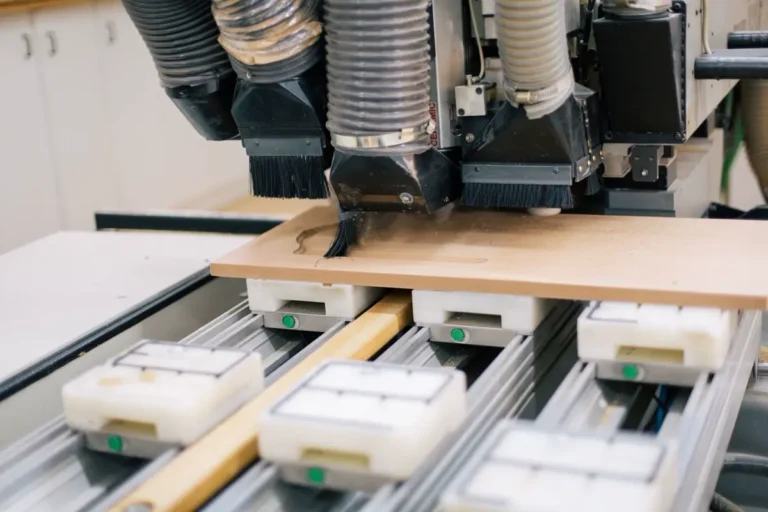
- Molds, jigs and tooling — extrusion dies, casting molds, upholstery patterns and CNC programs paid for or amortised in order one.
Storage is not indefinite. The common commercial practice is 1–2 years of retention after the last run; beyond that, factories reserve the right to scrap tooling and recycle storage space. If your project pipeline means a reorder could land three years out — a second tower, the next hotel in the pipeline, ongoing replacement stock — put tooling retention and control-sample custody in writing at the first order.
Sourcing this for a commercial project?
FBM Sourcing works with project owners, developers, main contractors and FF&E contractors on hotel, apartment, school, office and other commercial building projects. Send us your BOQ, drawings or product list — our team will review it and get back to you.
Will a Reorder Match the First Batch Exactly?
Close, but never assume perfect — and the gap is manageable if you know where it comes from. Three sources of batch-to-batch variation matter on commercial projects. Natural materials drift: timber veneer, stone and leather vary by lot, so a reorder delivered 18 months later will read slightly different up close. Supplier-side inputs change: fabric mills and laminate producers discontinue or reformulate lines, which is why finish standards are tied to batch codes and should be re-confirmed before a reorder is released. And wear on the first batch shifts perception: two years of UV exposure and cleaning changes the installed goods, so a brand-new matching item can look “wrong” next to them even when it matches the sealed control sample.
The working protection is procedural: before bulk reorder production, the factory produces one reference unit checked against the sealed control sample, and for colour-critical items a fresh finish sample is approved against the installed condition where matching in place matters more than matching the archive. All inspection of the reorder batch is carried out by FBM Sourcing’s own team at the factory before shipment, with photo and video records delivered to the client. Where the reorder must blend into an existing installation, order a small overage — the same logic as attic stock on the first order.
For Phase 2, extension or additional-building orders where visual continuity is critical, see our detailed guide on how to match existing finishes on a Phase 2 FF&E order from China — it covers retained samples, Delta E tolerances and which finish families match easily.
How Is Reorder Pricing Revalidated?
Factories treat the first-order price as a reference, not a promise. Reorder quotes move with three inputs: raw material indices (timber, steel, aluminium, foam and resin prices are repriced continuously), exchange rate, and ocean freight, which can swing a landed cost meaningfully between phases. Payment structure usually carries over — commonly a 30/70 split as covered in our guide to payment terms with Chinese factories — and repeat customers with clean payment history are well placed to negotiate on the balance terms.
Two structural advantages do favour the buyer on reorders. Setup and tooling costs are already paid, so quantity thresholds soften — useful when phase 2 is smaller than phase 1, a common pattern covered in our article on MOQs at Chinese factories. And the factory’s own cost of serving you drops (no sampling, no drawing office time), which gives a professional negotiator room to hold pricing close to first-order levels even when material indices have moved.
How Does a Sourcing Agent Manage Reorders Across Multiple Factories?
Commercial projects rarely reorder from one factory — a phase 2 typically reactivates five to fifteen suppliers at once, from casegoods and seating to tiles and lighting. The coordination work is keeping every factory’s archive alive and synchronised: confirming control samples still exist, verifying tooling was retained, re-approving finishes whose supply chains changed, and consolidating staggered production into one shipping programme. FBM Sourcing maintains the specification archive independently of the factories — approved samples, finish standards and as-built drawings — so a client’s reorder does not depend on any single factory’s storage discipline, and warranty continuity across batches follows the terms in our guide to manufacturer warranties on Chinese FF&E and building materials.
What Should a Reorder Request Contain?
A reorder enquiry that reactivates cleanly looks different from a first enquiry. Send the factory (or your agent) five things: the original PO number and item codes — the factory’s archive is indexed by them; the exact quantities per item, flagged where they differ from the first order; a change register — every deviation from the first order listed explicitly, even “none”; the required ex-factory date, worked back from your site programme; and the destination, since a different port or country can change packing and documentation requirements.
Two additions pay for themselves on project reorders. First, photographs of the installed first batch — if any matching-in-place issue exists (a faded finish, a discontinued fabric), it surfaces before production instead of at delivery. Second, an updated delivery schedule if the reorder supports a phased opening: factories will hold finished goods for a period by agreement, but storage beyond a few weeks should be negotiated at ordering, not requested after production. With those in hand, a reorder can move from enquiry to confirmed production slot in days rather than the weeks a first order needs.
Get a China Procurement Quote for Your Repeat Order
Planning a phase 2, the next property in your pipeline, or replacement stock for an installed project? FBM Sourcing is a building material and furniture sourcing agent for commercial construction projects — we reactivate your specification file, re-validate pricing against current material and freight levels, and manage production and pre-shipment inspection through to consolidated delivery. Send your original specification or the first-order details through our project procurement page and our team will review the reorder scope with you.