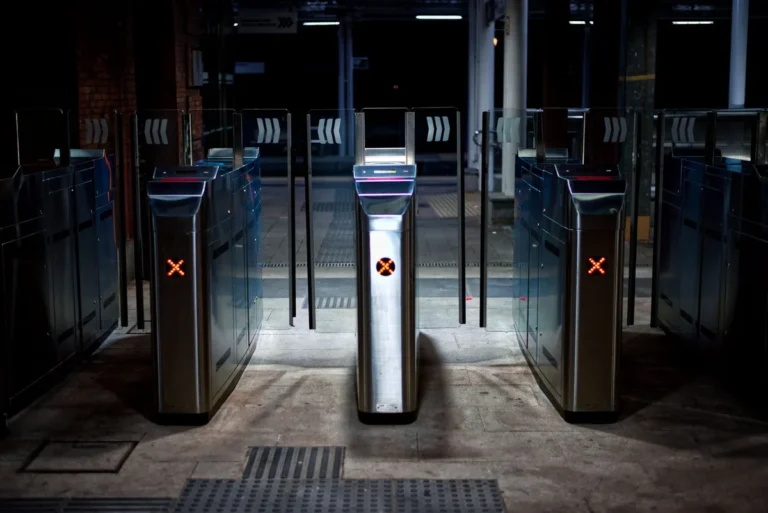
For a turnstile or speed gate enquiry in China, identify the pedestrian mechanism and whether its movement is powered or manual. Separate gate supply, access-control integration and housing fabrication, and list the mechanism, housing, reader, controller and software included in each offer. Define the required operating and alarm interfaces. Keep any adjacent vehicle-barrier enquiry separate from the pedestrian lane.
Use these five scopes to structure an enquiry rather than a factory ranking or evidence of any gate’s safety, throughput, power-loss behaviour or alarm release. Record the project requirements and the people assigned to review the offered configuration. For related entrance and access discussions, see automatic and revolving doors, smart locks and access control and bollards. For EU equipment, related reading includes the EU Machinery Regulation. In the 27 July 2026 consolidated version, official consolidated text, Article 54 sets the general application date at 20 January 2027, while specified provisions apply earlier; read it with 4 July 2023 corrigendum, item 10. Have the exact equipment and intended use assessed against the applicable scope and definitions.
The public scope of EN 17352:2022 addresses powered pedestrian entrance-control equipment such as turnstiles, swing lanes and retractable lanes. Its exclusions include mechanical turnstiles with electric or electronic unlocking. State whether movement is powered or manual, and ask the project team to assess the actual configuration and accessible route; a wide-lane label alone does not settle accessibility. Do not substitute the pedestrian-doors scope of EN 16005:2023+A1:2024 for this assessment.
What should a turnstile or speed gate brief state?
Alongside the lane count and housing finish, identify the gate mechanism, reader, controls and operating requirements in the current lobby plan, access-control design and fire strategy. Review the following fields before requesting quotations.
- Lane layout: the number of lanes, the direction of passage for each lane, whether it is entry, exit or both ways, and where the wider lane sits.
- Gate type per lane: tripod, waist-high, full-height, flap, swing or optical, named for each lane so that the quotation prices what the designer drew.
- Lane width: the clear passage width for each lane type, as drawn by the designer, including the lane assigned for luggage or accessible passage, with the project’s accessibility requirements identified.
- Reader and credential: card, QR code, mobile credential or face recognition, and who supplies the reader, the controller and the software.
- Link to the building system: the interface the access-control designer states, such as a contact output or a network connection, and who supplies the cable and the commissioning.
- Power loss and alarm behaviour: the behaviour identified in the project’s fire and access-control design when power fails or an alarm input is received. Identify the people assigned to confirm it and request the exact model’s documented response and required test evidence.
- Housing and finish: the material, the finish and the colour of the housings and the glass or flaps, written against each lane type.
- Power and wiring: the supply the gate needs, the cable entries and any required floor ducts or slots and the agreed responsibility for providing them.
- Location: indoor lobby or covered outdoor entrance, so the maker proposes a model for those conditions.
- Packing and marking: units marked by lane position, with the manuals and keys travelling in the same carton.
Five sourcing routes for turnstiles and speed gates
1. Turnstile manufacturers
For a rotating-arm turnstile, request the exact model drawing, mechanism description, clear passage and included-parts list. State the intended users and access requirements. Ask for the reader-mounting provision and the agreed model demonstration and evidence, identifying which supplier provides each component.
2. Speed gate and swing barrier makers
For a swing or retractable lane, request the exact mechanism, clear passage, sensor description and housing or flap materials. Ask for the model’s documented response to the specified controls, power loss and alarm inputs, together with the project’s required demonstration or test evidence. Review the proposed configuration against the lobby plan and intended users.
3. Access-control integrators
For an integrated enquiry, list the proposed gates, readers, controllers and management software by model and identify each producer. Ask which interfaces and protocols are supported by the offered configuration. Agree supply, connection, configuration, commissioning and acceptance-test responsibilities before handover.
4. Stainless steel fabricators
For a proposed custom housing, cabinet or bridging counter, request fabrication drawings, material and thickness details, finish sample and the exact mechanism to be fitted. Agree who reviews the dimensions, supports, operating clearances and integration with the pedestrian lane before fabrication.
5. Vehicle barrier suppliers for an adjacent entrance
For an adjacent vehicle entrance, define the proposed boom, sliding or swing barrier separately and request its included-parts list, sensor description, wiring diagram and model-specific evidence. Identify the required control interfaces and responsible reviewers. See also our guide to parking wheel stops and speed humps for related car-park procurement.
Sourcing this for a commercial project?
FBM Sourcing manages the entire China procurement package for overseas construction projects. We work with Developers · General Contractors · Builders · Commercial Project Owners · Interior Design & Construction Companies · FF&E Solution Providers. Send your BOQ, drawings or product schedule for review.
How to compare turnstile and speed gate quotations
- Gate type and lane count: each lane priced against the lane type drawn, so a tripod is not compared with a flap gate.
- Included parts: mechanism, housing, control board, reader, controller and software, each listed as included or excluded.
- Interface: the connection to the building system, the cable and the commissioning, stated line by line.
- Behaviour on power loss and alarm: the maker’s written description for the exact model, compared with the accepted project requirement.
- Finish: material, finish and colour of housings and flaps, per lane type.
- Power: the supply the model needs and the accessories included, such as a power unit.
- After sales: spare parts, manuals and the remote support the maker offers, as stated on the quotation.
- Exclusions and substitutions: any change of model, reader or finish that the maker proposes.
Read the exact configuration, included components, interface scope and exclusions side by side before comparing totals.
Coordinating gates with readers, fire systems and civil works
Review the proposed lane against the lobby layout, access-control design and fire strategy. Identify who will confirm the reader and interface requirements and the required response to power loss or alarm inputs. Put the accepted requirements and drawing revisions into the same enquiry for each supplier.
Coordinate the model’s installation drawing with the proposed floor ducts, cable entries, supports and fixing points before the relevant construction work. Agree the review and installation sequence and the people assigned to integration and acceptance testing. Record the required tests, evidence and handover responsibilities in the project documents.
Samples, approval and acceptance on delivery
Agree the approval and acceptance plan for the actual lane configuration before ordering. Identify any required complete unit, component or finish sample, model demonstration, installation drawing and specified tests. Record what each review covers and which safety or performance evidence is required separately from a video.
On delivery, check the agreed carton sample against the order for model, lane-position marks, finish, quantity, manuals and keys. Record observations with photographs under the agreed delivery and claims procedure. Our own team performs one inspection after bulk production is complete and before shipment, checking quantities, finish, labels and packing against the signed-off specification; you receive a QC report with photos and video.
What evidence to ask each route for
Evidence should be requested for the exact model, not for a product family. Ask for the following in writing and keep the answers with the quotation.
- Turnstile manufacturers: the drawing of the exact model, the list of included parts and a video of the model operating.
- Speed gate makers: the drawing, the written description of the behaviour on power loss and on an alarm signal, and the documents offered for the exact model.
- Integrators: the list of components with the maker of each, and the interface description.
- Stainless steel fabricators: the fabrication drawings, the material description and the name of the mechanism supplier.
- Barrier gate makers: the wiring diagram and the description of the sensors for the exact model.
Specification gaps to close before quotation
Before issuing the enquiry, review these project inputs and identify who will close any gaps.
- Which lanes are entry, exit or both ways, and which lane is the wide lane?
- Which gate type does each lane take, and which credential does each reader accept?
- Who supplies the reader, the controller and the software, and who commissions them?
- What does the fire engineer require on power loss and on the alarm signal?
- Which ducts, slots and fixings must the civil works provide, and by when?
- How are the units marked by lane position, and which manuals travel with them?
Next steps for a turnstile or speed gate package
Send each maker the same brief and ask for answers in writing, line by line, with samples or documents before bulk production. FBM Sourcing manages China procurement packages for overseas projects; furniture-only packages are also run through FBM Furniture.
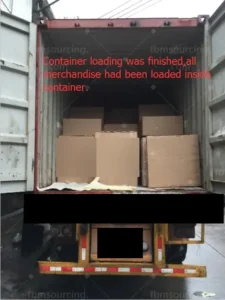
Sometimes, on a large project, the turnstiles and speed gates alone fill full containers; sometimes the turnstiles and speed gates share containers with the other product categories of the same project; and sometimes, in one batch, we combine a dozen or more product categories from several projects of the same client into a few containers — always full containers, and for us this is routine, well-practised work.
Questions buyers ask about turnstiles and speed gates from China
Is a speed gate the same as a turnstile?
A rotating-arm turnstile, a powered swing lane and a retractable lane are different configurations. State the mechanism, whether movement is powered or manual, clear passage and the required control interfaces. Compare that defined configuration rather than assuming identical behaviour from a product name.
Should the reader be bought with the gate?
Identify who supplies the reader, controller and software, whether included with the gate or quoted separately. Request the offered models and interface information, and agree who reviews compatibility and commissions the assembled configuration.
Who decides how a gate behaves when the fire alarm sounds?
Record the behaviour required by the project’s applicable fire and access-control design, and identify the people assigned to confirm it. Request the exact model’s documented response and the specified integration-test evidence; agree who will test and accept the installed configuration.
Do we need a sample before ordering?
Agree the sample, demonstration and acceptance requirements for the actual lane before ordering. Specify the drawings, finish or component samples, complete unit or tests required, and record the evidence and acceptance criteria rather than treating a model video as proof of all performance requirements.
How does FBM Sourcing support this kind of package?
We review the brief, collect comparable quotations and manage the package for the project. For suppliers you nominate, we charge a 5% commission; for products we source for you, we quote a direct price. Our own team performs one inspection after bulk production is complete and before shipment, and the client’s project team is welcome to attend.
FBM Sourcing manages the entire China procurement package for overseas construction projects. We work with Developers · General Contractors · Builders · Commercial Project Owners · Interior Design & Construction Companies · FF&E Solution Providers.