The top interior and exterior paint and coating manufacturers in China for commercial projects are 3Trees (SKSHU), Carpoly, Bauhinia, Maydos, Asia Cuanon and Chenyang. Between them they cover the full architectural coating scope a building project specifies — interior wall emulsions, exterior weather-resistant systems, wood lacquers for joinery, floor coatings and waterproof coatings — from manufacturing clusters in Guangdong, Fujian, Shanghai and Hebei. For a project owner, developer or general contractor, the practical question is not whether Chinese factories can produce compliant paint; it is which manufacturer type matches your specification, how VOC and fire documentation will be verified, and how a liquid, weight-limited product should be planned into your container program, together with your sourcing partner.
Key facts a project buyer should anchor on before comparing quotes:
- Interior wall coatings sold in China must comply with GB 18582-2020, the national VOC and heavy-metal limit standard; export batches are additionally tested against the destination standard you specify.
- Typical interior emulsion coverage is 10–12 m² per litre per coat, which is the number that converts your drawing areas into order quantity.
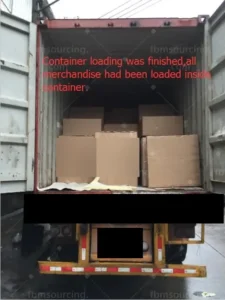
- Paint is weight-constrained cargo: a 20GP container maxes out at roughly 24–26 tonnes of packed product long before it runs out of space.
- Production of standard architectural batches is comparatively quick — the factory confirms the lead time in writing — but color-matched engineering orders need a confirmed sample panel before mass production.
- Shelf life for water-based emulsions is stated on each product’s technical data sheet, which sets a real limit on over-ordering.
Top Paint and Coating Manufacturers in China: The Shortlist
1. 3Trees (SKSHU Paint)
3Trees has grown into one of China’s largest architectural coating producers on the back of engineering sales to property developers, which means its product lines are already organised around project specifications rather than retail cans.
Location: Putian, Fujian · Established: 2002 · Classification: Large listed manufacturer (Shanghai Stock Exchange) · Key products: Interior/exterior wall coatings, engineering coating systems, waterproof coatings · Compliance basis: GB 18582-2020, ISO 9001/14001, China Environmental Labeling
Verdict: A strong default for hotel and apartment projects that need one brand to cover interior emulsion plus exterior system with full Chinese compliance paperwork.
2. Carpoly
Carpoly is among the largest privately held coating manufacturers in China and is particularly deep in wood coatings, which matters on projects where doors, wardrobes and fixed joinery are lacquered rather than laminated.
Location: Jiangmen, Guangdong · Established: 1999 · Classification: Large private manufacturer · Key products: Wood lacquers, interior/exterior architectural coatings, waterproof coatings · Compliance basis: GB 18582-2020, ISO 9001, China Environmental Labeling
Verdict: The wood-coating depth makes Carpoly a practical pick when your paint order rides alongside a joinery or furniture package from the same Guangdong corridor.
3. Bauhinia (Yip’s Chemical)
Bauhinia is the coatings brand of Hong Kong–listed Yip’s Chemical, with production based in the Pearl River Delta and a long history of supplying both architectural and industrial lines to southern China’s construction market.
Location: Production in Shenzhen/Huizhou, Guangdong; group founded in Hong Kong · Established: 1982 (group) · Classification: Listed group brand · Key products: Architectural emulsions, industrial and protective coatings, wood finishes · Compliance basis: GB standards, ISO-certified plants
Verdict: Worth shortlisting when a project spans both architectural surfaces and metalwork that needs industrial protective coating from one supplier group.
4. Maydos
Maydos operates from Shunde in Foshan — inside the same industrial belt as the furniture, cabinet and door factories many overseas projects already buy from — and has built its export business on wood lacquer, wall paint and adhesives.
Location: Shunde, Foshan, Guangdong · Established: 1995 · Classification: Mid-large export-oriented manufacturer · Key products: Wall paints, wood lacquers, floor coatings, adhesives · Compliance basis: GB 18582-2020, ISO 9001, export batch testing on request
Verdict: The most convenient option to consolidate with Foshan-sourced materials, and one of the more responsive factories for smaller project-sized export orders.
5. Asia Cuanon
Asia Cuanon focuses on engineering exterior systems — insulation-integrated finishes and high-durability exterior coatings specified facade-wide by developers — rather than retail decorative paint.
Location: Shanghai · Established: 1998 · Classification: Listed manufacturer (Shanghai Stock Exchange) · Key products: Exterior insulation and finish systems, engineering wall coatings, stone-texture coatings · Compliance basis: GB standards, ISO, project-level technical support
Verdict: The specialist to price when your exterior is a coated render or textured system across a full facade, where system warranty matters more than per-litre price.
6. Chenyang
Chenyang built its position as an early mover in fully water-based paint in China, which is relevant for projects chasing low-VOC targets across large interior areas such as schools, hospitals and apartments.
Location: Baoding, Hebei · Established: 1998 · Classification: Water-based coating specialist · Key products: Water-based interior/exterior wall paints, water-based wood coatings, industrial water-based lines · Compliance basis: GB 18582-2020, China Environmental Labeling
Verdict: Shortlist Chenyang when the specification is explicitly low-VOC or the end use is an institutional building where indoor air documentation will be audited.
For the United States rule on lead in paint on furniture and painted products, see our reading of 16 CFR Part 1303.
Sourcing this for a commercial project?
FBM Sourcing works with project owners, developers, main contractors and FF&E contractors on hotel, apartment, school, office and other commercial building projects. Send us your BOQ, drawings or product list — our team will review it and get back to you.
What Certifications Should Imported Paint from China Carry?
The baseline for any interior coating leaving a serious Chinese factory is GB 18582-2020 compliance, which caps VOC content and heavy metals for interior wall coatings; the China Environmental Labeling (“Ten Ring”) certificate is the common voluntary layer on top. For export projects, the destination sets the real bar: LEED v4 projects typically require flat interior paints under 50 g/L VOC, EU-destined orders are usually documented against EN standards with A+ style emission labeling for France, and fire-exposed coating systems are classified under GB 8624 in China or EN 13501-1 in Europe. A china sourcing agent working on a building material scope should collect the factory’s type-test reports up front and, where the specification demands it, arrange fresh batch testing at an accredited laboratory rather than relying on a certificate PDF of unknown age. The point of this documentation stack is simple: paint failures show up months after handover, and the test file is what stands between your project and a repaint claim.
How Paint Orders Actually Ship: Weight, Batches and Color Control
Paint planning is container-weight arithmetic. Packed emulsion in 18–20 L drums palletises heavy, and a 20GP will hit its roughly 24–26 tonne practical payload well before it cubes out — so mixed-material containers often make more sense for a project than a dedicated paint box. Coverage converts drawings to drums: at 10–12 m² per litre per coat, a two-coat interior scope of 20,000 m² needs roughly 3,300–4,000 litres before wastage allowance. Color control is the other discipline: engineering orders should be produced in as few batches as possible, confirmed against a signed sample panel, because inter-batch tint variation is visible across a large wall even when each batch passes its own QC. As a building material sourcing agent, we hold factories to batch-consistency records and retain wet samples from each production run so any site dispute can be resolved against evidence.
Comparison Table: China Paint Manufacturers for Commercial Buyers
| Manufacturer | Base | Established | Core strength | Best fit for |
|---|---|---|---|---|
| 3Trees (SKSHU) | Putian, Fujian | 2002 | Developer-grade engineering lines | Hotel/apartment full-building scope |
| Carpoly | Jiangmen, Guangdong | 1999 | Wood coatings + architectural | Projects with lacquered joinery |
| Bauhinia | Shenzhen/Huizhou | 1982 (group) | Architectural + industrial range | Mixed architectural/metalwork scopes |
| Maydos | Foshan, Guangdong | 1995 | Export handling, Foshan location | Consolidation with Foshan materials |
| Asia Cuanon | Shanghai | 1998 | Exterior/EIFS systems | Facade-wide coating systems |
| Chenyang | Baoding, Hebei | 1998 | Water-based specialist | Low-VOC institutional interiors |
Which Type of Manufacturer Fits Your Project?
If your project is a hotel or apartment building where paint is one line inside a much larger materials package, the sensible route is a developer-oriented generalist (3Trees, Carpoly, Bauhinia) bought alongside your tiles, doors and cabinets so the coating order shares containers, inspection visits and shipping paperwork with the rest of the scope — the pattern we run on most commercial project procurement programs. If the specification centres on a high-durability facade system, price the system specialists on a supply-and-warranty basis. And if the coating scope is small but the joinery scope is large, it is often better to let the furniture or door factory apply a specified lacquer in-house — coordinated finish approval matters more than the paint brand on the drum. For related finish decisions, see our guides on powder coating vs anodized aluminum and fire rating standards for building materials and finishes.
Coatings are specified by system and substrate rather than by brand, and shipped under dangerous-goods and shelf-life constraints. The last column is where the answer usually moves.
| Project scenario | Shortlist from this list | Why it fits | What would change the answer |
|---|---|---|---|
| Hotel or apartment full-building package | 3Trees (SKSHU) | Developer-grade engineering coatings sized for whole-building scopes | A single-trade scope such as joinery lacquer only |
| Projects with lacquered joinery and wood finishes | Carpoly | Wood coatings alongside architectural paint keeps one finish system | A masonry-only scope |
| Mixed architectural and metalwork scope | Bauhinia | Architectural plus industrial coatings covers both substrates | A pure interior emulsion scope |
| Consolidation with other Foshan-sourced materials | Maydos | Foshan location allows coatings to join an existing consolidation | A project with no other South China sourcing |
| Facade-wide coating and external wall systems | Asia Cuanon | Exterior and EIFS systems are engineered as systems | Interior finishes only |
| Low-VOC institutional interiors: schools, healthcare, offices | Chenyang | Water-based specialisation rather than a low-VOC sub-range | An exterior-dominated scope |
| Any coatings order shipped from China | Plan the logistics, not just the price | Shelf life, temperature exposure in transit, batch matching and dangerous-goods handling govern the outcome | A small touch-up quantity, where local purchase is simpler |
Evidence to Request Before You Shortlist
Catalogues and showrooms all look convincing. What separates a coatings manufacturer that will perform on a commercial project is the documentation it can produce for your specification — request these items with your RFQ, and treat slow or partial answers as information:
- VOC content test reports against your destination’s rule — US EPA/SCAQMD limits, EU Decopaint directive — per product, not per brand
- Fire certificates for any intumescent or special-performance coatings, matched to the substrate they will actually cover
- Batch colour consistency policy and the tinting formula documentation for your specified colours
- Shelf life, storage conditions and dangerous-goods classification in writing — solvent-based lines change your ocean freight options
- Coverage rates from the technical data sheet reconciled against your BOQ quantities
- References on commercial projects of comparable painted area
On FBM-managed packages our own QC team collects and cross-checks every one of these documents against the actual production batch during factory visits and inspection before shipment — so the evidence file your project holds matches the goods in the container, not just the brochure.
Get a China Procurement Quote for Your Project
Send us your finish schedule, painted areas by substrate, destination port and program dates. As a china sourcing agent for building material and FF&E packages, FBM Sourcing will come back with a factory comparison covering specification match, VOC and fire documentation, batch plan and landed logistics — so your coating order arrives with the same evidence trail as the rest of the building. Submit your drawings and quantities through our project inquiry page.
Frequently Asked Questions
What is the baseline certification for interior paint leaving a Chinese factory?
GB 18582-2020 compliance, which caps VOC content and heavy metals for interior wall coatings. Export projects then layer destination requirements on top, such as LEED v4’s under-50 g/L VOC threshold for flat interior paints.
How is paint quantity estimated for a commercial project?
By coverage, not guesswork – at 10-12 sqm per litre per coat, a two-coat interior scope of 20,000 sqm needs roughly 3,300-4,000 litres before wastage allowance.
Why does container weight matter for paint orders?
Packed emulsion in 18-20L drums palletises heavy, and a 20GP container hits its roughly 24-26 tonne practical payload well before it cubes out, which is why mixed-material containers often make more sense than a dedicated paint box.