Stone veneer cladding manufacturers in China include natural stone processors who cut thin or backed panels, makers of engineered or manufactured stone veneer, and fabricators who supply stone as part of a wall system. The same phrase can mean a thin slice of natural stone, a composite panel with a stone face, or a moulded product that imitates stone, and each is specified, fixed and priced differently.
This guide sorts the supply side into five sourcing routes and explains what to specify. It is not a ranking. No factory is named or scored here, and no claim is made about the fire, load or weathering performance of any product. The facade designer or engineer must set those requirements, and each maker must show evidence for the exact product offered.
What should a stone veneer brief state?
- What “veneer” means in this project: thin natural stone, stone bonded to a backing, a composite panel, or a manufactured stone product. Ask every maker to state which one it is quoting.
- Stone type and finish: the stone name or reference, surface finish, and an approved sample. Natural stone varies, so approve the range of variation, not a single piece. Our natural stone project guide explains how to set that range.
- Panel size and thickness: a drawing grid with panel sizes, joint widths and corner details.
- Substrate and backing: what the veneer is attached to and what backing the maker supplies.
- Fixing method: adhesive, mechanical clip or rail system. The facade engineer should name it, and the maker should confirm the product suits it.
- Interior or exterior use: exterior use needs an assessment of weather, freeze-thaw and wind load by the designer, which the maker cannot do from a drawing alone.
- Fire and safety requirements: the requirement the destination applies to cladding, named by the designer or consultant. Do not assume a rule from another market applies.
- Packing and delivery: crates, protection for edges and faces, and weight per crate.
Five sourcing routes for stone veneer cladding
1. Natural stone processors with thin-cut capability
These factories cut, calibrate and finish natural stone into thin or lightweight panels. Ask for the stone source, the thickness range, how flatness and thickness are controlled, and a sample showing both the face and the edge. Because natural stone varies by block, ask how blocks are selected and kept together for one project.
2. Backed or bonded stone panel makers
Some makers bond a thin stone layer to a backing such as honeycomb aluminium or another board. Ask what backing is used, what adhesive system holds the layers, and what the maker recommends for the fixing. The backing and the fixing are part of the product, so request them in writing.
3. Engineered and manufactured stone veneer producers
These producers mould or compose a stone-look product. Ask what the product is made of, whether the colour runs through or sits on the surface, and how colour is controlled between batches. Make sure the quotation says clearly that the product is manufactured, not natural stone.
4. Stone fabricators that supply wall systems
Some fabricators supply stone together with the fixing rails, clips and sub-frame. This route puts more of the system under one party, which helps coordination, but the facade engineer must still approve the system. Ask who prepares shop drawings and who is responsible for fit with the structure.
5. Cladding and facade material factories
Factories that supply metal and composite cladding sometimes offer stone-look panels in the same range. Compare them with the other routes only after checking what the face material really is. Our guide to ACP facade cladding covers that adjacent product family.
How to compare stone veneer quotations
- Product type: natural, bonded, composite or manufactured, written on the quotation.
- Sample and range: the approved sample and the range of variation accepted.
- What is included: panels, backing, fixings, trims, corners, packing and delivery, in separate columns.
- Corners and trims: whether corner pieces and trims are priced with the flat panels.
- Wastage allowance: extra panels for breakage and cutting, stated separately.
- Packing: how faces and edges are protected, and the weight per crate.
- Exclusions and substitutions: any change to stone, thickness or backing that the maker proposes.
For a related comparison of materials, see our guide to porcelain pavers versus natural stone and our overview of natural stone slab sourcing.
For clay brick and brick slip as a facade alternative, see our guide to clay brick and brick slip manufacturers in China.
Sourcing this for a commercial project?
FBM Sourcing manages the entire China procurement package for overseas construction projects. We work with Developers · General Contractors · Builders · Commercial Project Owners · Interior Design & Construction Companies · FF&E Solution Providers. Send your BOQ, drawings or product schedule for review.
What evidence should you ask each route to provide?
- Natural stone processors: the stone name and source as the maker states it, thickness range, a sample showing face and edge, and how blocks are kept together for one project.
- Backed or bonded panel makers: the backing material, the adhesive system, the maker’s recommended fixing and the data the engineer needs.
- Manufactured veneer producers: what the product is made of, whether colour runs through, and how colour is controlled between batches.
- Fabricators with wall systems: shop drawings, the sub-frame and fixing components included, and who confirms fit with the structure.
- Facade material factories: a clear statement of the face material, in writing, so the product is not mistaken for natural stone.
Questions for the facade engineer before quoting
Some answers come from the engineer, not the maker. Before quotations are compared, ask the engineer to confirm the fixing method, the allowable panel weight per area, the joint widths, the movement allowances and any requirement for a mock-up. Ask whether the cladding is exterior or interior, and whether the destination applies a fire or safety requirement to the cladding. Put the engineer’s answers in the brief, so every maker quotes the same system.
Sample and mock-up approval
Approve a physical sample of the actual product, not a catalogue image. For natural stone, approve the range of variation using several pieces. For a large or prominent wall, ask the designer whether a mock-up is needed before bulk production, and agree who pays for it and how it will be judged. Record the approval and refer to the sample code in the order.
Panel marking, crates and site handling
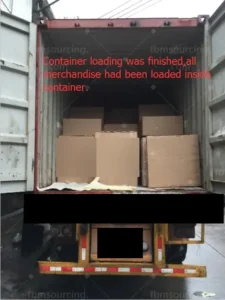
Ask the maker how panels are numbered to a layout drawing, how crates are marked, and how edges and faces are protected. Ask the weight per crate, because it decides how a container is loaded and how the site unloads. Agree where corner pieces and trims are packed, so installers receive them with the flat panels they match.
Acceptance checks when the panels arrive
- Check the crate count and marks against the packing list before unloading.
- Open a sample of crates and compare thickness, face and edge with the approved sample.
- Check that corner pieces, trims and fixings are present and match the order.
- Check panel numbers against the layout drawing before panels go to the wall.
- Photograph any damage with the crate mark visible and report it promptly.
Keep the approved sample, the packing list and the photographs together in the project file. A later question about colour, thickness or damage is easier to settle when the record sits in one place.
Next steps for a cladding package
Send each maker the same brief: facade or wall drawings, panel grid, product type, fixing method, interior or exterior use, fire and safety requirement and the sample approval process. Share the engineer’s fixing details early, because a quotation that ignores the fixing cannot be compared with one that includes it.
Questions buyers ask about stone veneer cladding from China
Is stone veneer real stone?
It can be. The word is used for thin natural stone, stone bonded to a backing, composite panels and manufactured stone products. Ask each maker to state which one it is quoting.
Who decides the fixing method for exterior stone cladding?
The facade designer or engineer decides. The maker should confirm that its product suits the fixing and supply the data the engineer asks for.
How do we manage colour variation in natural stone veneer?
Approve a range of samples, not a single piece, and ask how blocks are selected and kept together for one project.
Should corner pieces be quoted with the flat panels?
Yes. Ask for corners, trims and returns to be listed separately in the quotation, so the cost of a complete wall can be compared.
How does FBM Sourcing support a cladding package?
We review the brief, collect comparable quotations and manage the package for the project. For suppliers you nominate, we charge a 5% commission; for products we source for you, we quote a direct price. Our own team performs one inspection after bulk production is complete and before shipment, and the client’s project team is welcome to attend.
FBM Sourcing manages the entire China procurement package for overseas construction projects. We work with Developers · General Contractors · Builders · Commercial Project Owners · Interior Design & Construction Companies · FF&E Solution Providers.