Sourcing building materials from China on time and on budget comes down to two disciplines: a reverse schedule that works backwards from the date each material is needed on site to the date its order must be placed, and a three-part budget: the goods on the FBM Sourcing quotation (for suppliers you nominate, we charge a 5% commission; for products we source for you, we quote a direct price), sea freight quoted before shipment, and import duty and delivery at destination, in most cases handled by you. For a custom commercial package, please plan for about four months between deposit and shipment — the drawing stage usually takes around two months and production about another two months — then add the carrier’s transit time and your destination steps, plus buffers. Projects that miss dates almost never miss them in production; they miss them because the order was placed too late for the category’s real lead time. FBM Sourcing works as your sourcing agent and sourcing partner throughout this process.
This guide sets out the reverse-scheduling formula, real production and transit day-counts by category, the budget structure that prevents surprises, the delay causes we see most often as a china sourcing agent, and when container consolidation helps or hurts. It assumes you already know the basics of how to source building materials from China for construction projects; here the focus is purely time and money control.
How Do You Build a Reverse Schedule from Your Site Date?
Start from the date the trade needs the material in hand on site, then subtract each stage in sequence. A working formula for a sea-freight order to the US West Coast looks like this:
- Site-need date minus your contingency buffer
- minus your broker’s and trucker’s estimate for destination customs clearance and trucking to site
- minus ocean transit as confirmed by the carrier at booking for your destination port
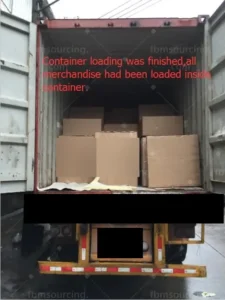
- minus the final inspection, container loading and export clearance
- minus production, on the factory’s written lead time
- minus sampling and sign-off
- minus quotation and order confirmation
The result is your last responsible order date. For a custom cabinet package, that puts the order date well over four months before the installers need it — far earlier than many first-time project buyers assume. Full category-by-category door-to-door timelines are in our guide to how long sourcing and shipping from China takes by project type.
Which Materials Should You Order First? Lead Times by Category
Sequence orders by production lead time, longest first, not by construction sequence. The factory confirms each production lead time in writing once samples are approved; in order, longest first:
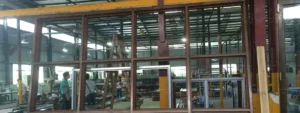
- Curtain wall and facade systems: always the first order on the sheet
- Custom aluminum windows and doors: longer again for impact-rated or thermally broken systems
- Kitchen cabinets and wardrobes: set by drawing approval and the project run
- Custom wooden and fire-rated doors: driven by certification documentation as much as manufacturing
- Stone and countertops: including layout drawings and dry-lay
- Sanitary ware and hardware: shorter; standard lines can ship from stock
- Tiles: quickest from stock in a standard colour; longer if your quantity triggers a dedicated kiln run
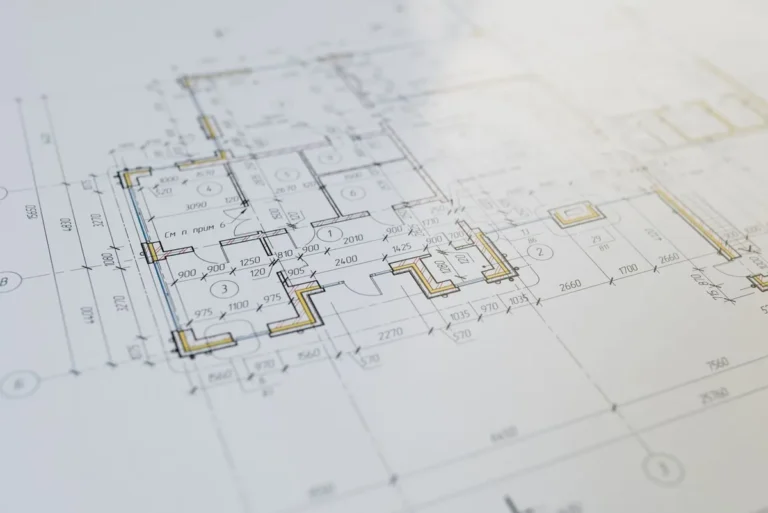
Two structural points sit behind this order. First, windows and cabinets cannot enter production until site measurements are confirmed, so their real critical path includes your builder’s frame programme, not just factory days. Second, sampling is inside the critical path for every custom category — the sequence and sign-off mechanics are covered in our guide to how sample approval works when sourcing from China.
Sourcing this for a commercial project?
FBM Sourcing works with project owners, developers, main contractors and FF&E contractors on hotel, apartment, school, office and other commercial building projects. Send us your BOQ, drawings or product list — our team will review it and get back to you.
How Should You Structure the Budget So It Holds?
A China sourcing budget that survives contact with reality has three layers, priced separately and never blended into one “landed rate” guess:
- Goods — the price on the FBM Sourcing quotation, fixed at order against approved samples and drawings: for suppliers you nominate, we charge a 5% commission; for products we source for you, we quote a direct price. This is the layer competitive sourcing actually compresses.
- Sea freight — quoted to you before shipment. This layer moves with the market and with your cargo’s density: bulky, light goods (assembled furniture) carry a higher logistics share of budget than dense goods (tiles, stone), which often hit the container’s weight ceiling before its volume is used. Your incoterm decides who carries which risk.
- Import duty, destination charges and delivery — in most cases handled by you. For US-bound projects, remember the tariff rate ≠ landed cost.
Cash-flow structure matters as much as total: China orders conventionally run on a deposit at order and the balance before shipment, so a multi-category programme needs a payment calendar mapped against the order sequence, and your incoterm choice (FOB, CIF or DDP) sets which logistics legs sit inside those payments. Holding a budget contingency against freight movement and design revisions protects the programme.
What Actually Causes Delays — and How Do You Prevent Each One?
Across commercial projects, the same five causes account for nearly every late container:
- Late sample sign-off. Every week a decision-maker sits on a sample is a week added to the end date. Fix: name a single approver with a written response deadline.
- Design changes after production starts. A size change on a window order in week two restarts that line’s clock. Fix: freeze dimensions at sample approval; run late changes as a separate small order.
- Holiday windows. Chinese New Year takes a large block out of production capacity (factories close and ramp up slowly afterwards), and the early-October national holiday is another pause; get each factory’s written closure and restart dates. Fix: place orders so production completes before the window, or schedule around it.
- Certification documents trailing the goods. Goods can be ready while test reports are not, and some destinations will not clear cargo without them. Fix: list every required certificate in the purchase order with a document due date.
- Payment timing. Factories do not book production slots on unpaid deposits, and a slow balance payment delays loading. Fix: tie payment dates to the reverse schedule, not to invoice arrival.
Prevention is monitoring: on FBM-managed orders our own team follows production progress with the factory, so slippage is visible in week two, not at the promised loading date.
When Does Consolidation Save Money — and When Does It Cost You Time?
Most building material programmes buy from 5–15 factories, and consolidation — combining several factories’ goods into shared containers — is usually the single biggest logistics saving, cutting shipping cost versus shipping each factory’s goods on its own, while also reducing handling damage. The method is covered in how to consolidate multiple factories into one container.
The time trap: a consolidated container leaves when the slowest factory finishes. If a short-lead category is riding with a long-lead category, the fast goods wait in a warehouse. The working rule on our projects is to consolidate by schedule band, not by convenience — group materials needed in the same site window into the same containers, and let a genuinely urgent early package ship on its own even if the freight rate per cubic metre is worse. A genuinely urgent package can ship as its own container ahead of the rest; how a project package is grouped into full container loads is covered in full container consolidation for building material projects.
Frequently Asked Questions
How far in advance should I order building materials from China?
Work backwards from your site-need date: for custom packages, please plan for about four months between deposit and shipment — the drawing stage usually takes around two months and production about another two months — then add inspection and loading, ocean freight confirmed by the carrier at booking, destination clearance and a buffer. Curtain wall has the longest production lead and needs the earliest order; stock sanitary ware and tiles move fastest.
What does a China building material budget consist of?
Three separately priced layers: the goods on the FBM Sourcing quotation (for suppliers you nominate, we charge a 5% commission; for products we source for you, we quote a direct price), sea freight quoted before shipment, and import duty, destination charges and delivery, in most cases handled by you. Keeping the layers separate is what makes overruns traceable and preventable.
What is the most common reason China orders arrive late?
Late ordering against the category’s real lead time, followed by slow sample sign-off, post-order design changes, Chinese New Year’s capacity loss, trailing certification documents and slow deposit payments. Production itself is rarely the cause — the failures are upstream decisions, which is why a reverse schedule with a named approver prevents most of them.
Should all materials ship in one consolidated container batch?
Consolidate by schedule band, not all at once. A consolidated container leaves when the slowest factory finishes, so mixing a short-lead category with a long-lead category parks the fast goods in a warehouse. Group materials needed in the same site window together, and let a genuinely urgent package ship as its own full container ahead of the rest rather than holding everything to one date.
Get a Reverse Schedule and Budget for Your Project
If you are pricing a commercial building project against a fixed opening date, send us your BOQ or drawings, destination port and site programme. As a building material sourcing agent working with developers, contractors and FF&E companies, we will map every category’s last responsible order date, structure the three-layer budget, and come back with a complete China building materials and FF&E procurement plan your programme can actually hold.