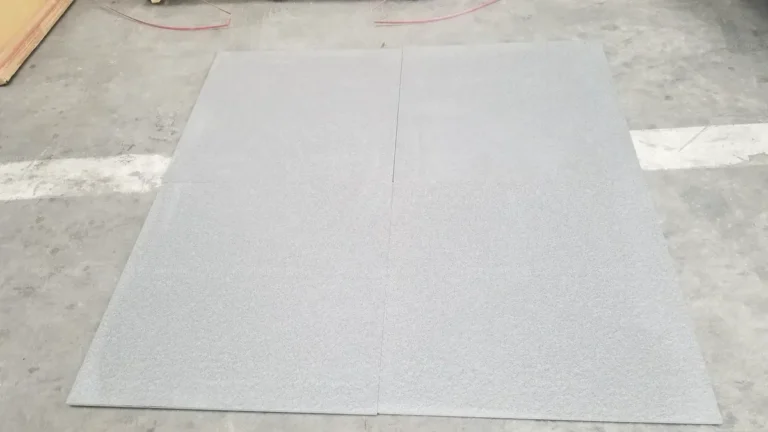
There is no single honest figure for what China tiles cost: a tile quotation is set by format, thickness, rectification, grade, production batch and face variety, and the landed cost adds freight, insurance and destination charges that depend on your port and on how the container is planned. A useful budget starts from a set of quotations that state the same things in the same way, so they can be compared line by line. This kind of coordination is what a sourcing partner like FBM Sourcing is for.
What a developer, builder or FF&E contractor actually pays depends on format, grade, batch control requirements and how well the container is planned. This guide sets out what each tile quotation should state and what moves the number, so you can budget from drawings rather than from a market stall quote.
What Should Every Tile Quotation State?
Before comparing numbers, ask each factory to state the same basis on every line. A quotation that leaves any of these open cannot be compared with the others:
- Product type and body: glazed ceramic wall tile, glazed or polished porcelain, full-body porcelain, outdoor paver, mosaic sheet
- Format and thickness, and whether the tile is rectified or cushion-edged
- Surface finish, slip rating and water absorption class, with the test report the claim is based on
- Grade, and the control sample the grade will be judged against
- Whether the full quantity is produced in one batch
- Unit of measure, packing (area per carton, cartons per pallet) and gross weight per pallet
- Price basis (ex-works or FOB, and which port), the quantity the quotation assumes, and how long it is valid
Small orders, custom glazes and premium ink-jet faces are quoted differently from standard container-quantity production, so ask for them as separate lines.
What Drives the Price Up or Down?
Five variables move a tile quotation more than negotiation ever will. Format and thickness — larger formats need better presses and more careful handling, so 900×1800 costs more per unit of area than 600×600 of the same face. Rectification — edge-ground tiles for tight grout joints add cost but reduce installation labour. Grade — AAA export grade against the approved control sample costs more than mixed-grade market stock, and the difference shows up on the wall, not in the carton. Batch size — one kiln run for the whole order keeps shade consistent and unit price stable; split production invites both shade drift and re-quotes. Face variety — the number of ink-jet faces per design affects how natural a marble-look floor reads and what it costs to produce.
Sourcing this for a commercial project?
FBM Sourcing works with project owners, developers, main contractors and FF&E contractors on hotel, apartment, school, office and other commercial building projects. Send us your BOQ, drawings or product list — our team will review it and get back to you.
How Much Does Shipping Add?
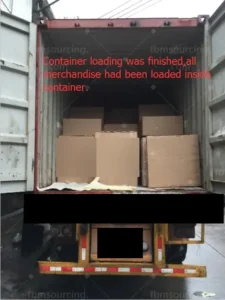
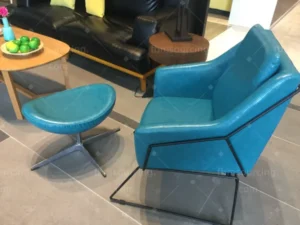
Tiles are heavy, so a container of porcelain reaches its weight limit before it is full by volume, and the payload allowed depends on the carrier and on road limits at the destination. Freight per unit of area therefore depends on how many square metres each container actually carries, so ask for the freight quotation per container together with the area loaded per container. The waste in most budgets is not the freight rate — it is shipping half-empty containers because tiles were ordered separately from the rest of the project package. Consolidating tiles with sanitary ware, lighting and furniture from the same project, the way we run full-house building materials programs for Australia, spreads container cost across the whole order.
Is Cheap Ever Too Cheap?
When one porcelain quotation sits well below the others for the same format and thickness, find out why before accepting it: the usual explanations are B-grade stock, a thinner body, or seconds with calibre and shade variation baked in. On a private house a tiler can sort around some of it; on a hotel corridor it becomes visible lippage and a shade patchwork no one will sign off. The protection is not a higher price — it is a purchase contract that specifies grade, calibre, water absorption and shade tolerance, and a factory inspection before packing that checks cartons across kiln batches against the control sample.
Budgeting Checklist for Project Buyers
- Take quantities from drawings and add a cutting and attic-stock allowance agreed with your tiler
- Specify format, thickness, rectification, grade and slip rating per area
- Ask every quote to state grade and whether production is one kiln batch
- Plan tiles as container bottom-weight with lighter goods above
- Budget landed cost, not ex-factory cost — and compare that to local supply
For per-category pricing on wall products specifically, see our wall tiles sourcing program; agent fee structures are covered in how much a China sourcing agent costs.
Get a China Procurement Quote for Your Project
Send your tile schedule, formats, square-metre quantities, destination port and timeline. Our team will review your requirements and get back to you with a quotation; sea freight is quoted to you before shipment.
Related reading
- China Wall Tiles Design Guide: Formats, Feature Walls and Mosaics for Projects
- Porcelain vs Ceramic Tiles: Which Should I Choose for a Commercial Project?
- Best Commercial Tile & Porcelain Slab Manufacturers in China for Hotel & Commercial Projects
- How Do I Import Porcelain Tile from China for a Hotel or Apartment Project?