To import porcelain tile from China for a hotel or apartment project, you confirm the specification and control samples first, contract a Foshan factory with grade and shade tolerances in writing, inspect the batch before packing, and ship palletised tiles as container bottom-weight to your destination port. For container-quantity orders the process takes six to nine weeks from confirmed specification to vessel departure, and landed cost typically runs one third to one half of local showroom supply. This kind of coordination is what a sourcing partner like FBM Sourcing is for.
The sequence matters more than any single step, because porcelain tile problems — shade drift, calibre mismatch, broken corners — are cheap to prevent at the factory and expensive to fix on site. Here is the process as we run it for developers, builders and fit-out contractors.
Step 1: Specify from the Drawings, Not the Showroom
A porcelain tile specification for a project order needs seven data points per area: format, thickness, surface finish, rectified or cushion edge, grade, slip rating, and water absorption class. Wet areas and pool surrounds carry their own slip and frost requirements; 20 mm outdoor pavers are a different product from interior floor tile of the same face. Quantities come off the drawings with 7–10% for cutting and attic stock — ordering the top-up later from a different kiln batch is how shade patchworks happen.
Step 2: Factory Selection and Control Samples
Foshan holds hundreds of porcelain producers, and the practical difference between them is not the showroom face — it is whether they hold calibre and shade at volume. The factory shortlist should be based on export production history in your format, not stall pricing at a trade market. Before contract, the factory supplies control samples; one set stays with the buyer, one is sealed for the inspection team. Every later quality decision is measured against that sealed sample, which is the discipline that separates project procurement from retail buying — and the core of what a China sourcing agent manages on the ground.
Sourcing this for a commercial project?
FBM Sourcing works with project owners, developers, main contractors and FF&E contractors on hotel, apartment, school, office and other commercial building projects. Send us your BOQ, drawings or product list — our team will review it and get back to you.
Step 3: What Should the Purchase Contract Lock In?
- Grade (AAA export) and permitted defect rate per carton
- Calibre and work-size tolerances, one production batch for the full quantity
- Shade tolerance against the sealed control sample
- Export packing: corner protection, strapped pallets, carton marking by area
- Replacement terms for transit breakage above an agreed percentage
Step 4: Pre-Shipment Inspection
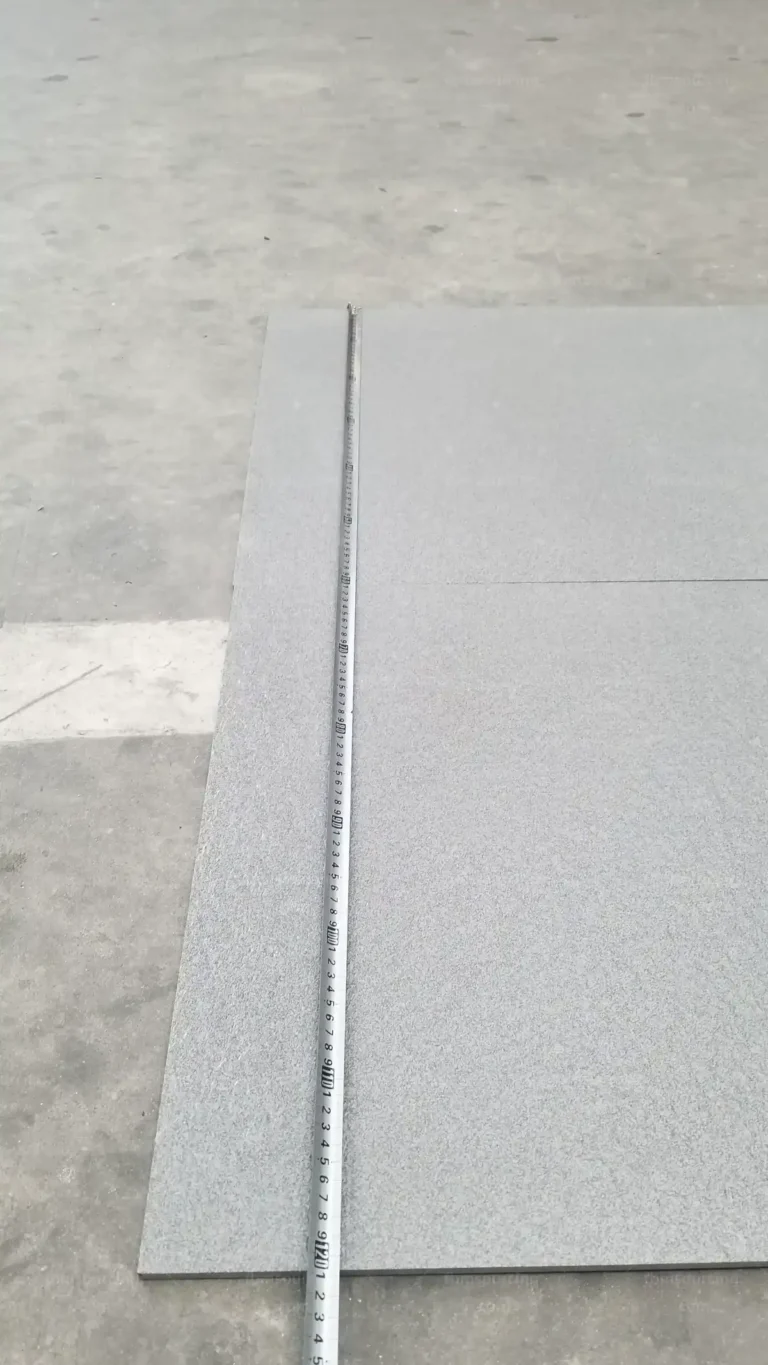
Porcelain is inspected at the factory before packing closes: cartons pulled across kiln batches, tiles gauge-measured for calibre, faces compared to the control sample in daylight, edges checked for chipping, and pallets reviewed for strapping and corner protection. On our programs this is standard factory QC inspection scope — the photos in our project cases come from exactly these inspections. Documentation (water absorption, slip test reports) is collected at the same time, because chasing certificates after shipment rarely ends well.
Step 5: Container Planning and Shipping
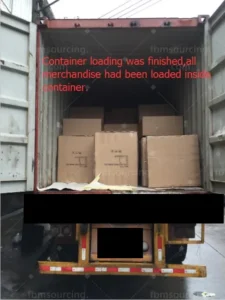
A 40HQ takes 26–28 tonnes — roughly 1,300–1,600 m² of 10 mm porcelain — so tiles weigh out long before they cube out. On mixed project orders we floor-load tile pallets and stack lighter goods above, which is how a hotel or apartment package ships tiles, sanitary ware, lighting and furniture in shared containers instead of paying for half-empty boxes. Transit to Australian east coast ports runs 12–18 days; North America 18–30 depending on coast. The full timeline by project type is covered in our sourcing and shipping timeline guide.
What Does It Cost?
Standard porcelain floor tile runs USD 4.5–9/m² ex-factory, marble-look rectified large formats USD 8–15/m², with freight adding USD 1.5–4/m² on full containers — see the full breakdown in our China tiles price guide. Wall products and mosaics are detailed in the wall tiles sourcing program.
Get a China Procurement Quote for Your Project
Send your tile schedule, drawings, destination port and timeline. FBM Sourcing responds with a factory shortlist, control-sample plan and preliminary landed cost.