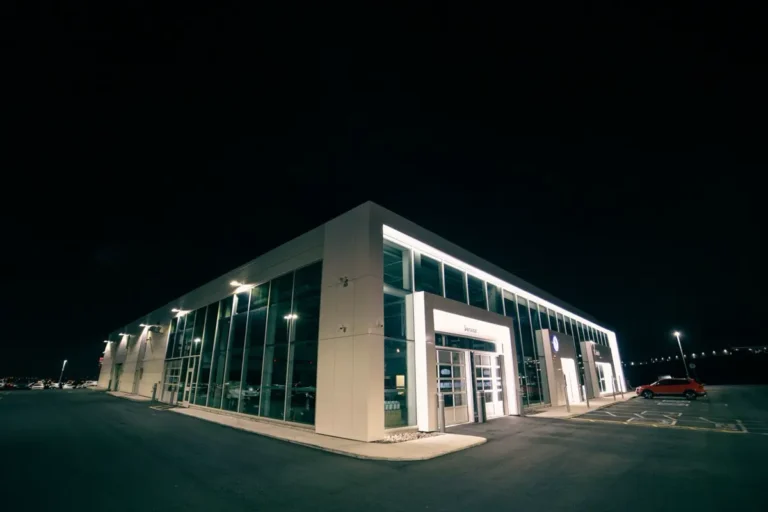
Procurement for a car dealership or showroom construction project is governed by a constraint most commercial fit-outs don’t have: the automotive brand’s corporate identity (CI) manual, which fixes the exact glazing height, floor finish, ceiling system, signage and even paint colors the showroom must use, long before a general contractor or FF&E buyer gets involved. FBM Sourcing manages the entire China procurement package for overseas construction projects, and on a dealership project that means sourcing showroom glazing, flooring, signage substrates, service-area materials and customer-lounge FF&E to a brand-specified standard, from a single sourcing partner rather than piecing the package together brand-clause by brand-clause.
What Does a Dealership Construction Package Actually Cover?
Most dealership and showroom projects resolve into five procurement scopes.
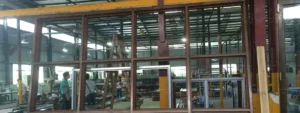
- Showroom glazing and facade — large-format storefront glazing, aluminum curtain wall framing, and any illuminated or branded facade element the CI manual specifies.
- Showroom flooring and ceiling — high-gloss polished concrete, epoxy or large-format porcelain flooring rated for vehicle point loads, plus the ceiling and lighting system the brand’s photometric standard requires.
- Signage and branding substrates — illuminated pylon and facade signage boxes, branded wall graphics substrates and interior wayfinding, almost always produced to exact brand color codes.
- Service bay and back-of-house materials — epoxy or polyurethane service-floor coatings, workshop partition systems, and durable finishes rated for oil, solvent and vehicle traffic exposure.
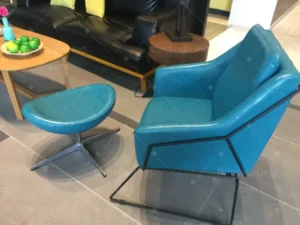
- Customer lounge and reception FF&E — waiting seating, reception and sales desks, coffee bar fixtures and children’s play areas where the brand standard specifies them.
Showroom flooring is usually the long pole, because the brand’s photometric and finish standard has to be met at the same time as a structural load rating for vehicle display — a polished or epoxy finish that looks right in a rendering can fail the point-load or maintenance-durability requirement once vehicles are actually driven and displayed on it.
How Do Brand Corporate Identity Standards Affect Procurement?
Every major automotive brand issues a CI or facility standards manual that dealership developers and their contractors must follow to earn brand approval and, in most markets, ongoing co-op marketing funds. For procurement, that manual behaves like a specification the buyer cannot substitute out of: it names exact glazing transparency percentages, minimum ceiling heights over the display floor, illuminated signage brightness and color temperature, and often a named palette of approved flooring and wall finish products. A sourcing package built without checking the CI manual first risks producing compliant-looking materials that fail brand audit — the finish has to be verified against the manual’s exact reference, not against a general good-practice showroom standard.
What Should Be Fixed Before the First Purchase Order?
Four items, all expensive to change once production starts: the brand CI manual’s exact material and color references for glazing, flooring, ceiling and signage; the vehicle display floor’s point-load and durability rating, confirmed against the finish selected, not assumed; the illuminated signage’s brightness and color-temperature spec, since this is commonly a point of brand non-compliance; and the service-bay floor coating’s chemical resistance rating, since a coating rated for foot traffic will fail under solvent and oil exposure within months. Rollout logic for a project with multiple dealership sites under one brand follows the same batch-control discipline as any chain rollout — see our note on chain rollout furniture procurement for the mechanics of keeping finishes identical across sites.
Sourcing this for a commercial project?
FBM Sourcing works with project owners, developers, main contractors and FF&E contractors on hotel, apartment, school, office and other commercial building projects. Send us your BOQ, drawings or product list — our team will review it and get back to you.
How Does Procurement Differ for a Multi-Site Dealership Group?
A dealership group opening or refreshing several rooftops under the same brand faces the same finish-drift risk as any chain rollout: laminate, powder-coat, glazing tint and signage colors all vary between production batches, so a five-site refresh ordered in five separate purchase orders over a year will not match itself by site five. The fix is the same batch-control discipline used on any multi-site programme — freeze the specification against the CI manual at the prototype site, buy finish materials for multiple sites in one production batch where the timeline allows, and retain a signed control sample against which every subsequent site is checked before its materials ship.
Production lead times for a dealership package are confirmed by each factory in writing, and custom glazing and curtain wall framing usually take longest, so the glazing package usually sets the critical path for the shell, while flooring and FF&E can be sequenced to arrive closer to fit-out.
How FBM Sourcing Runs a Dealership Construction Package
FBM Sourcing manages the entire China procurement package for overseas construction projects. On a dealership project that means matching each scope above to the right factories, checking every finish and material against the brand’s CI manual before production starts, and — on multi-site programmes — holding a signed control sample so every rooftop matches the approved prototype.
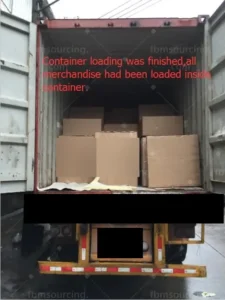
Inspection is carried out by our own team at the factory, as one inspection once bulk production is finished, before shipment recorded in photographs and video. All quotations, invoices and shipping documents are issued by FBM Sourcing — you deal with us, and we carry the responsibility. For suppliers you nominate, we charge a 5% commission; for products we source for you, we quote a direct price.
Frequently Asked Questions
How does procurement work for a car dealership or showroom construction project?
Dealership procurement resolves into five scopes — showroom glazing and facade, showroom flooring and ceiling, signage and branding substrates, service bay materials, and customer lounge FF&E — all of which have to be checked against the automotive brand’s corporate identity (CI) manual before production, since the manual fixes exact material, color and performance references the finished project has to pass brand audit against.
Why does the brand’s corporate identity manual matter for material sourcing?
The CI manual specifies exact glazing transparency, minimum ceiling heights, illuminated signage brightness and color temperature, and often a named palette of approved flooring and finish products, functioning as a non-negotiable specification. Sourcing materials that look right without checking the manual’s exact reference risks a brand audit failure after the space is built, which can affect dealership approval and co-op marketing funding.
What flooring is used in a vehicle showroom?
Showroom flooring is typically high-gloss polished concrete, epoxy resin flooring or large-format porcelain tile, selected to meet both the brand’s photometric/finish standard and a structural point-load rating for displayed vehicles. The finish that looks correct in a rendering has to be separately verified for the load and maintenance-durability requirement before it is confirmed.
How is finish consistency maintained across a multi-site dealership rollout?
By freezing the specification against the CI manual at a prototype site, buying finish materials for multiple sites in a single production batch where the timeline allows, and retaining a signed control sample against which every later site’s materials are checked before shipment — the same batch-control discipline used on any branded chain rollout.
Get a China Procurement Quote for Your Project
If your dealership or showroom project has a brand CI manual and a materials list or drawings ready, FBM Sourcing will match the glazing, flooring, signage and FF&E scopes to the right factories and verify every finish against your brand standard before production. Submit your drawings or BOQ, quantities, destination port and timeline via our China building materials and FF&E procurement page, and our team will review your requirements and get back to you.