
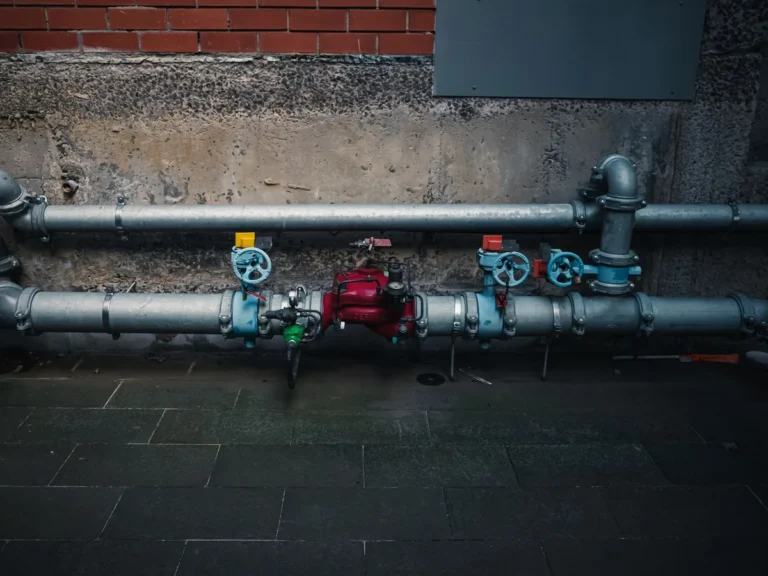
Valve manufacturers in China that supply building projects include brass and bronze valve makers for domestic water, cast and ductile iron valve foundries for larger pipework, stainless steel valve makers, fire protection valve makers and control and balancing valve makers for heating and cooling systems. A valve is a body, a closure, a seat and an operating part, and the same word “valve” covers a small brass ball valve and a large butterfly valve with very different materials, ratings and approvals.
This guide sorts the supply side into five sourcing routes so a procurement team can send one brief to the right makers and compare the answers fairly. It is not a ranking. No factory is named or scored here, and no claim is made about the pressure, temperature, drinking-water or fire performance of any valve. The engineer’s specification and the local authority define those requirements, and each maker must show evidence for the exact valve it offers. For related products, see our guides to PPR pipe and fitting manufacturers, faucet and tapware manufacturers and commercial HVAC manufacturers.
What should a valve brief state?
A brief that says only “ball valve, DN25, 500 pieces” produces quotations that cannot be compared. State at least the following, copied from the engineer’s valve schedule.
- Service: the fluid and use, such as cold water, hot water, drinking water, heating, chilled water or fire protection, because the service decides the material and the approval.
- Valve type: ball, gate, globe, butterfly, check, balancing, pressure reducing or float, with the schedule tag for each.
- Size and connection: nominal size and the end connection the pipework uses, such as threaded, flanged, grooved or welded, with the standard of the connection named by the engineer.
- Pressure and temperature rating: the rating the system requires, written as the engineer states it.
- Body and trim materials: the material of body, closure and seat, and the lining or coating, as specified.
- Operation: lever, handwheel, gear operator or actuator, and the control signal and supply if an actuator is required.
- Approvals required: the approvals the authority or the system requires for the use, named by the project with the edition. These are decided by the project, not by the maker.
- Marking: what must be cast, stamped or labelled on the body, and in which language.
- Packing and documents: packaging that protects the threads and faces, and the data sheets, test reports and certificates the project requires.
Five sourcing routes for building valves
1. Brass and bronze valve makers for domestic water
These makers forge or cast and machine small valves, stop valves and fittings used in plumbing. Ask for the alloy description, the connection type, the seat and seal materials and the markings, and request samples from the production line, not from a showroom set. Where the valve is used for drinking water, ask which approval the destination requires and ask for the certificate that names the exact model.
2. Cast iron and ductile iron valve makers
Larger gate, butterfly and check valves for pipework are produced by foundries and machining shops. Ask for the body material, the coating, the seat and the pressure rating, and ask how the maker tests valves before they leave. Check the face-to-face dimension and the flange drilling against the drawing, because a valve that does not fit the pipework cannot be used.
3. Stainless steel valve makers
Stainless valves are chosen for corrosive duty, hygiene or specific water conditions. Ask for the grade of the body and the trim, the seat material and the surface finish, and ask the maker to confirm the grade in writing against the specification. A grade substitution is a change of material and should be raised before the order.
4. Fire protection valve makers
Valves for sprinkler and fire pipework are made by makers that hold the approvals the authority names for fire systems. Ask which approval applies in the destination, ask for the certificate that names the exact model and size, and keep it with the submittal. See our note on fire safety certificates for hotel projects for how certificates are requested and checked.
5. Control, balancing and actuated valve makers for heating and cooling
Control valves, balancing valves and actuators for HVAC systems are made by makers that supply the valve with the actuator and the control interface. Ask for the valve and actuator as a pair, the control signal and supply, the flow characteristic the designer wants and the documentation the building controls contractor needs. Confirm who commissions the valve and what data they need.
For the heat emitters those valves connect to, see our guide to radiator and heated towel rail manufacturers in China.
Sourcing this for a commercial project?
FBM Sourcing manages the entire China procurement package for overseas construction projects. We work with Developers · General Contractors · Builders · Commercial Project Owners · Interior Design & Construction Companies · FF&E Solution Providers. Send your BOQ, drawings or product schedule for review.
How to compare valve quotations
- Model and size: the exact type, size and connection quoted for each schedule tag, not a family name.
- Materials: body, closure, seat and seal materials on each line.
- Rating: the pressure and temperature rating quoted, compared with the schedule.
- Approvals: the approval named for each valve and the certificate that carries the model number.
- Actuator and accessories: actuators, extension spindles, handles and flanges listed on separate lines.
- Packing and marking: how valves are protected and marked by schedule tag.
- Exclusions and substitutions: any change of material, connection or approval the maker proposes.
Samples, approval and acceptance on delivery
Approve a sample of each valve type against the schedule, with its marking and its certificate, before bulk production. Have the installer check the connection and the operation on the sample, and record the approval in writing against the schedule tag. Keep the approved sample as the reference for the bulk order.
On delivery, check a sample of cartons against the order: type, size, connection, marking, certificate and quantity of each. Note any difference in writing on the day with photographs, so the maker can respond while the evidence is fresh.
Name the approvals in the specification
Valve approvals depend on the destination, the building and the service. Name the requirement in the specification and ask each maker what evidence it can provide for the exact model offered. Our guides to sanitary ware certifications and WELS ratings for tapware show how approvals and labels are requested for plumbing products in two markets. Your specifier or certifier decides what applies to your project.
What evidence to ask each route for
- Brass and bronze makers: the alloy description, the markings and the approval certificate that names the model.
- Cast and ductile iron makers: the body material, the coating, the rating and the pre-delivery test record.
- Stainless makers: the grade of body and trim confirmed in writing.
- Fire protection valve makers: the approval certificate for the exact model and size.
- Control valve makers: the valve and actuator pairing, the control signal and the commissioning data.
Specification gaps to close before quotation
A quotation cannot answer the questions below for itself. Check that the brief answers these questions before it goes out.
- Which valve schedule and edition set the type, size and rating?
- What is the service for each valve, and does it require a drinking-water or fire approval?
- Which connection standard does the pipework use?
- Which materials are specified for body, closure and seat, and are substitutions allowed?
- Who supplies actuators and who commissions them?
- How are valves marked and packed by schedule tag?
Next steps for a valve package
Send each maker the same brief and ask for answers in writing, line by line, with samples or documents before bulk production. FBM Sourcing manages China procurement packages for overseas projects; furniture-only packages are also run through FBM Furniture.
Questions buyers ask about valves from China
Is the nominal size enough to compare valve quotations?
No. Compare the type, connection, materials, rating and approval on each line, because two valves of the same size can be built for very different duties.
Who decides which approvals a valve needs?
The engineer’s specification and the local authority decide, from the service and the destination. Name the requirement and its edition in the brief and ask each maker for the certificate that carries the exact model.
Can a maker substitute a different material?
Only if the specification allows it. Ask each maker to state its materials in writing and to raise any substitution before the order, and keep the approved sample as the reference.
Should actuators be quoted with the valves?
Quote valve and actuator as a pair but on separate lines, with the control signal and supply stated, so the building controls contractor has the data it needs.
How does FBM Sourcing support this kind of package?
We review the brief, collect comparable quotations and manage the package for the project. For suppliers you nominate, we charge a 5% commission; for products we source for you, we quote a direct price. Our own team performs one inspection after bulk production is complete and before shipment, and the client’s project team is welcome to attend.
FBM Sourcing manages the entire China procurement package for overseas construction projects. We work with Developers · General Contractors · Builders · Commercial Project Owners · Interior Design & Construction Companies · FF&E Solution Providers.





