
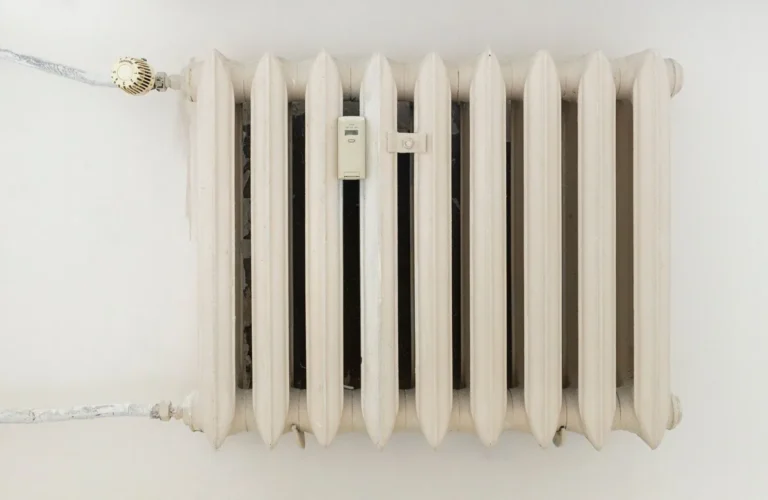
Radiator manufacturers in China include makers of steel panel radiators, makers of column and designer radiators in steel and aluminium, producers of heated towel rails for hot water and for electric supply, fabricators of trench and wall convector units, and fittings suppliers that bring valves, brackets and covers under one quotation. Radiators and towel rails are heat emitters that sit in guestrooms, bathrooms and corridors, and each route supplies a different output description, connection layout and finish under the same name.
This guide sorts the supply side into five sourcing routes so a procurement team can send one brief to the right makers and compare the answers fairly. It is not a ranking. No factory is named or scored here, and no claim is made about the heat output, pressure rating or efficiency of any radiator. The mechanical engineer, the project specification and the local authority define those requirements, and each maker must show evidence for the exact model it offers. For related packages, see our guides to HVAC and commercial air-conditioning manufacturers and building valve manufacturers.
What should a radiator and towel rail brief state?
A brief that says only “radiators and towel rails, white, 800 units” produces quotations that cannot be compared, because output, connection layout and fixing are left open. State at least the following, copied from the mechanical schedule and the drawings.
- Item code and quantity: each emitter type from the schedule with the quantity per room type, floor or block.
- Type and dimensions: panel, column, designer or towel rail, with height, width and depth as drawn.
- Heat output: the output the mechanical schedule requires at the design conditions it names, written as the engineer writes it, not a figure chosen by the maker.
- Energy source: hot water, electric, or both, with the supply details the drawing assumes.
- Connections: connection positions, thread or fitting type, valve and air vent requirements.
- Material and finish: body material, finish name or code and colour reference, with an approved sample against each item code.
- Evidence the project names: the test, certification or marking the specification requires for each item, with its standard and edition, set by the engineer and the authority and not by the maker.
- Fixings: brackets, wall plates and covers, and who supplies them.
- Packing: how emitters are packed and marked by room type and floor, and which parts ship separately.
Five sourcing routes for radiators and towel rails
1. Steel panel radiator makers
Panel radiators are produced in volume on pressing and welding lines. Ask for the model description with the dimensions and the output table the maker publishes, the connection layout, the finish system and a sample, and ask which output values are measured and which are calculated. This route suits apartment blocks where one panel family covers many rooms.
2. Column and designer radiator makers
Column and designer radiators in steel or aluminium are made in smaller runs with more finish and shape options. Ask for the section drawing, the finish and colour system, the connection options and a finished sample, and compare the output description on the same basis as the panel route.
3. Heated towel rail makers
Towel rails are made for hot water, for electric supply, or for both. Ask which supply the quoted model is built for, the element and thermostat description for electric models, the finish and a sample, and keep hot water and electric models on separate lines.
4. Trench and wall convector fabricators
Convectors are fabricated from sheet metal and heat exchanger coils for floors and walls. Ask for the section drawing, the grille description, the coil description and a finished sample, and agree in writing who supplies the trench or box the unit sits in. See also our guide to aluminium ceilings for other perforated metal items.
5. Fittings and accessory suppliers
Valves, brackets, covers and air vents are often supplied by a separate fittings supplier. Ask each radiator maker which fittings are included in its unit price and which are not, and compare a package quotation against the emitter and fittings priced separately.
How to compare radiator and towel rail quotations
- Model and dimensions: the model named on each line with height, width and depth in millimetres.
- Output basis: the output stated on each line and the conditions it is stated for, so that figures are read on the same basis.
- Supply type: hot water, electric or dual, listed on separate lines.
- Finish: finish name or code and colour on each line.
- Included parts: valves, brackets, covers and air vents listed with quantities.
- Units of measure: price per unit or per set, and what a set contains.
- Evidence: which test and marking documents are offered for the exact model, with the date and the body that issued them.
- Exclusions and substitutions: any change of model, finish or fitting the maker proposes.
A quotation that is cheaper on one line may be thinner on another. Read the descriptions side by side before reading the totals.
Sourcing this for a commercial project?
FBM Sourcing manages the entire China procurement package for overseas construction projects. We work with Developers · General Contractors · Builders · Commercial Project Owners · Interior Design & Construction Companies · FF&E Solution Providers. Send your BOQ, drawings or product schedule for review.
Output figures: read the basis, not the number
Heat output figures are only comparable when they are stated for the same conditions. Ask each maker to write down the conditions its figure is stated for, and ask your engineer which conditions the schedule uses. If the two differ, ask the maker to restate the output for the schedule conditions in writing for the exact model, instead of converting the figure yourself.
Do the same for electric towel rails: ask what the element rating is, what control is supplied and whether the control is part of the unit price. A quotation that leaves the control out is thinner on that line and has to be read against one that includes it.
Samples, approval and acceptance on delivery
Approve a finished sample of each emitter type and finish before bulk production, and record the approval in writing against the item code. Check the sample against the bracket and the wall drawing. Keep the approved sample as the reference for the bulk order.
On delivery, check a sample of cartons against the order: model, size, finish, connection layout and quantity per room type. Note any damage or difference in writing on the day with photographs, so the maker can respond while the evidence is fresh. Before shipment our own team checks quantities, dimensions, finish and packing against the signed-off specification, and you receive a QC report with photos and video.
What evidence to ask each route for
Evidence should be requested for the exact model, not for a product family. Ask for the following in writing and keep the answers with the quotation.
- Panel radiator makers: model description, output table with stated conditions, finish description and a sample.
- Column and designer makers: section drawing, finish and colour system and a finished sample.
- Towel rail makers: the supply type, element and control description for electric models and a sample.
- Convector fabricators: section drawing, coil and grille description and a sample.
- Fittings suppliers: a product sheet for each fitting and the connection standard it follows.
Specification gaps to close before quotation
A quotation cannot answer the questions below for itself. Check that the brief answers these questions before it goes out.
- Which emitter type goes in which room, and at which output and conditions?
- Is the supply hot water, electric or both for each towel rail?
- Which connection layout is drawn, and who supplies valves and air vents?
- Does the specification name a test, certification or marking, in which standard and edition?
- Which finish and colour are drawn, and on which sample?
- How are cartons marked by room type and floor?
Next steps for a heating package
Send each maker the same brief and ask for answers in writing, line by line, with samples or documents before bulk production. FBM Sourcing manages China procurement packages for overseas projects; furniture-only packages are also run through FBM Furniture.
Questions buyers ask about radiators and towel rails from China
Can two radiator quotations be compared by unit price alone?
No. A unit price says nothing about the output conditions, the connection layout or the fittings included. Compare model, output basis, finish and included parts on each line before comparing totals.
Who decides the heat output a room needs?
The mechanical engineer decides. Write the schedule output and its conditions into the brief and ask each maker to restate its figure for the same conditions.
Should hot water and electric towel rails be quoted together?
They can come from one maker, but keep them on separate lines with the control and element described for the electric models.
Do radiators need a sample before ordering?
Yes. Approve a finished sample of each type and finish against its item code and keep it as the reference for the bulk order.
How does FBM Sourcing support this kind of package?
We review the brief, collect comparable quotations and manage the package for the project. For suppliers you nominate, we charge a 5% commission; for products we source for you, we quote a direct price. Our own team performs one inspection after bulk production is complete and before shipment, and the client’s project team is welcome to attend.
FBM Sourcing manages the entire China procurement package for overseas construction projects. We work with Developers · General Contractors · Builders · Commercial Project Owners · Interior Design & Construction Companies · FF&E Solution Providers.





