
Procurement for a marina or yacht club fit-out splits into two packages that behave completely differently. The clubhouse interior — member lounges, dining, bars, locker rooms, event spaces — is a normal hospitality FF&E package and is sourced the same way a boutique hotel would be. Everything outside the building envelope, and everything within reach of salt spray, is a corrosion engineering problem in which the single most consequential decision is the stainless steel grade. Specifying 304 stainless where 316 is required is the most common and most expensive mistake on waterfront projects, because it does not fail at handover; it shows up as rust staining across every balustrade and fitting in the first year or two.
This guide is written for developers, general contractors, builders, commercial project owners, interior design and construction companies and FF&E solution providers delivering marinas, yacht and sailing clubs, waterfront restaurants and harbour-side hospitality. It sets out how the package divides, what the marine environment changes in the specification, and which lines are worth sourcing from China at all.
How Does a Marina or Yacht Club Package Divide?
| Package | What it contains | Who makes it | China route |
|---|---|---|---|
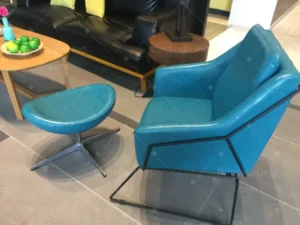
| Clubhouse interior FF&E | Lounge and dining furniture, bar joinery, lockers, trophy cabinets, soft furnishings, lighting | Hospitality furniture, joinery and lighting factories | Strong fit |
| Exterior and terrace furniture | Dining sets, lounge seating, sun loungers, shade structures, planters | Outdoor furniture and shade manufacturers | Strong fit, with marine specification written in |
| Architectural metalwork and balustrades | Handrails, balustrades, gangway rails, canopies, gates | Architectural metalwork fabricators | Good fit, but grade and finish decide everything |
| Decking and hard landscaping | Timber and composite decking, paving, edge detail | Decking and stone suppliers | Case by case |
| Marina infrastructure | Pontoons, piles, cleats, bollards, fenders, service pedestals, fuel systems | Specialist marine engineering manufacturers | Normally out of scope for a general sourcing package |
That last row deserves emphasis rather than a footnote. Pontoon systems, service pedestals and fuel equipment are marine engineering products with their own certification, warranty and service regimes, and they are normally bought from specialist marine suppliers with local service capability rather than folded into a general FF&E and building materials package. A sourcing partner that offers to supply everything on that list should be asked which factory actually builds the pontoon and who services it in five years’ time.
Why Is Stainless Steel Grade the Decision That Matters Most?
Salt air attacks the passive layer that protects stainless steel. Grade 304 performs well inland and poorly within reach of salt spray, where it develops surface rust discolouration — the industry calls it tea staining — which is cosmetic at first and progressive after that. Grade 316 contains molybdenum and resists chloride attack far better, which is why waterfront specifications call for it.
Getting this right in practice requires more than writing “316” on a drawing:
- Ask for material certification, not a statement. A mill certificate or a material test report traceable to the batch is the evidence. On site, a magnet is not a reliable test and a portable alloy analyser is.
- Watch the small parts. The balustrade posts get specified; the fixings, base plates, grub screws, cable tensioners and brackets are often left to the fabricator and arrive in 304 or in plated mild steel. Those are the parts that rust first and they discredit the whole installation.
- Specify the surface finish as well as the grade. A smoother, more uniform finish resists staining better than a coarse brushed or as-welded surface, because corrosion starts at surface roughness and at weld heat-tint. Require post-weld cleaning and passivation, and say so explicitly, because it is a labour cost a fabricator will drop if it is not named.
- Avoid galvanic couples. Stainless fixings into aluminium, or aluminium against carbon steel, corrode at the junction in a salt environment. Isolation washers and sleeves belong on the detail drawing.
- Plan maintenance into the specification. Even correctly specified 316 in a marine environment needs periodic freshwater washing. A handover document that says so is worth more than an extra grade upgrade.
What Else Changes in a Marine Specification?
- Aluminium and coatings. Marine-grade aluminium alloys with a coating system rated for coastal exposure — a seaside-class powder coating or a high-performance architectural finish — rather than a standard architectural powder coat. Ask for the salt-spray hours and the coating system name, not the colour.
- Fabrics. Solution-dyed acrylic for anything exposed, because the colour runs through the fibre rather than sitting on it; marine-grade vinyl with a mildew-resistant backing for bar and outdoor seating; and mesh slings rated for UV rather than for indoor use. The comparison across outdoor furniture materials is at aluminium vs teak vs rope outdoor furniture for resort projects.
- Timber. Teak and similar durable hardwoods are the traditional answer for marine-adjacent furniture and decking, but supply is constrained and origin documentation matters for import compliance in several markets. Plantation teak, thermally modified timber and composite alternatives all deserve consideration; the decking comparison is set out in WPC vs timber decking for resort and outdoor commercial projects.
- Slip resistance when wet. Decks, gangway approaches, pool surrounds and clubhouse entrances all take wet feet and wet shoes. Specify a slip classification with the test method named, and distinguish wet barefoot areas from shod areas, because they are tested differently.
- Lighting and electrical. Exterior luminaires need an ingress protection rating suited to the exposure, corrosion-resistant housings and marine-suitable gaskets, plus the electrical certification route for the destination market. A fitting rated for a garden is not rated for a quayside.
- Wind and, in some regions, cyclone loading. Shade structures, pergolas, canopies and glass balustrades on an exposed waterfront carry higher wind loads than the same product inland. The load case must come from the project engineer as a number, and the fabricator’s calculations should be checked independently.
Planning a marina or yacht club fit-out?
FBM Sourcing works with developers, general contractors, builders, commercial project owners, interior design and construction companies and FF&E solution providers on waterfront hospitality and clubhouse projects. Send the BOQ or drawings and we will return it priced by production line, with the stainless grade, coating system, fabric and slip specifications written in and the material certification named against each item.
How Is the Clubhouse Interior Different from a Hotel Interior?
Less than most people expect, with four exceptions that are worth naming because they are routinely missed at BOQ stage.
- Locker rooms and changing facilities are a bigger package than in a hotel. Wet changing, ventilated lockers, drainage, benches that tolerate constant moisture, and finishes that survive it. This is closer to a leisure-centre specification than a hotel one, and it is usually under-budgeted.
- The bar and dining programme runs harder than the room count implies. A yacht club’s food and beverage operation serves members and events far beyond the size of the building, so seating, tabletops and bar surfaces should be specified to a heavier commercial duty than a comparable hotel restaurant.
- Display and trophy joinery is bespoke and slow. Cabinets, honours boards and display cases are one-off joinery items with glass, lighting and sometimes security requirements. They have long lead times, they cannot be value-engineered late, and they matter disproportionately to the members who approve the budget.
- Indoor and outdoor furniture will be moved between zones. Terrace furniture gets brought inside for events and lounge furniture gets carried out. Specifying the terrace range to a standard that looks acceptable indoors, and the indoor range to tolerate occasional outdoor use, avoids a mismatched estate within two seasons.
The sports and members-club dimension of this overlaps with the pattern described in how FF&E procurement works for padel, tennis and sports clubs, and the waterfront hospitality dimension with sourcing FF&E and building materials for resort and beach club projects.
What Does the Procurement Sequence Look Like?
- Split the BOQ by environment, not by room. Every line should be tagged as sheltered interior, covered exterior or fully exposed, because that tag drives the material specification more than the room name does.
- Fix the corrosion specification before pricing. Stainless grade, coating system, fastener material and isolation details are priced differently by every fabricator. Comparing quotations before these are fixed compares nothing.
- Sample the exposed items first. Balustrade sections, fabric swatches and decking samples should be approved early, and where the programme allows, exposed on site for a period before the bulk order.
- Inspect against the certification, not the appearance. A 304 balustrade looks identical to a 316 balustrade on the day it is installed. Inspection has to check material certificates and, where doubt exists, verify the alloy.
- Plan the waterfront delivery. Marina sites often have constrained vehicle access, tidal working, crane restrictions and public areas that stay open during construction. Crate sizes and delivery sequencing should be planned against that rather than against the container.
- Hand over a maintenance schedule. Freshwater washing intervals, touch-up procedures and a spares list for fixings and fabrics belong in the handover pack. Marine installations degrade with neglect faster than with use.
Where FBM Sourcing Fits
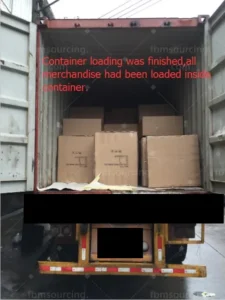
FBM Sourcing is the China sourcing partner in this picture, not a manufacturer and not a showroom. We work for developers, general contractors, builders, commercial project owners, interior design and construction companies and FF&E solution providers, and we do not sell to individual homeowners. On a marina or yacht club package we shortlist the factory that runs each production line, fix the stainless grade, coating system, fabric and fastener specification in writing before sampling, require material certification traceable to the batch on exposed metalwork, inspect the bulk order at each factory with photo and video records before it is packed, and plan the loading and delivery sequence around the site’s access constraints. Architectural metalwork capability is described in top metalwork manufacturers in China for commercial projects, and outdoor furniture capability in top outdoor furniture manufacturers in China for hotel and resort projects. Marina infrastructure itself we do not supply, and we say so rather than sub-contracting a category we cannot stand behind.
Planning a marina or yacht club fit-out?
FBM Sourcing works with developers, general contractors, builders, commercial project owners, interior design and construction companies and FF&E solution providers on waterfront hospitality and clubhouse projects. Send the BOQ or drawings and we will return it priced by production line, with the stainless grade, coating system, fabric and slip specifications written in and the material certification named against each item.
Frequently Asked Questions
Should marina balustrades and fittings be 316 or 304 stainless steel?
Within reach of salt spray, 316 is the grade to specify. Grade 304 develops progressive surface rust discolouration, known in the trade as tea staining, in coastal air. Specifying the grade is not enough on its own: the fixings, base plates, brackets and tensioners have to be the same grade, the weld heat-tint has to be cleaned and the surface passivated, and the material certification should be traceable to the batch, because 304 and 316 are visually identical when new.
Which parts of a marina project should not be sourced through a general procurement package?
Pontoon systems, piles, service pedestals, fuel systems and similar marina infrastructure are specialist marine engineering products with their own certification, warranty and service requirements, and they are normally bought from specialist marine suppliers with local service capability. A general sourcing package covers the clubhouse interior, exterior furniture, architectural metalwork, decking and lighting.
What fabrics survive a waterfront environment?
Solution-dyed acrylic for exposed upholstery and shade, because the colour is in the fibre rather than printed on it; marine-grade vinyl with a mildew-resistant backing for bar and outdoor seating; and UV-rated mesh for slings. Standard indoor commercial fabrics fade, and standard vinyls develop mildew at the seams within a season or two in humid coastal air.
How should a marina BOQ be organised before pricing?
By exposure environment rather than by room. Every line should be tagged as sheltered interior, covered exterior or fully exposed, because that tag drives stainless grade, coating system, fabric and fastener choice. Quotations obtained before the corrosion specification is fixed are not comparable with one another, because each fabricator will have assumed a different and usually cheaper answer.
About FBM Sourcing
FBM Sourcing manages the entire China procurement package for overseas construction projects. Sourcing since 2014, we work with developers, general contractors, builders, commercial project owners, interior design and construction companies and FF&E solution providers as their sourcing partner in China — from the BOQ or drawings through factory selection, sampling, inspection by our own team, consolidation and shipping, with every quotation and shipping document issued in our own name. If you have a marina, yacht club or waterfront hospitality package to price, start at https://fbmsourcing.com/china-building-materials-ffe-procurement/.