For most commercial building projects, the tile wastage allowance percentage you should order is 5–10% above net area for straight-lay ceramic and porcelain tile, 10–15% for diagonal, herringbone or chevron patterns, 8–12% for large-format slabs, 10–15% for natural stone, 5–10% for wood and SPC flooring, 3–5% for carpet tiles, and 10–20% for broadloom carpet depending on room shape. When the material ships from China, add a further 2–3% at container level for transit breakage on tile and stone, and order the full quantity in one batch so every carton comes from the same dye lot and caliber. Under-ordering is the single most expensive mistake on imported hard finishes, because a top-up order rarely matches the original batch and can take two months to arrive. This kind of coordination is what a sourcing partner like FBM Sourcing is for.
Why Wastage Allowance Matters More on Imported Materials
On a domestic supply chain, running short of tile is an inconvenience: your contractor calls the distributor and collects more stock within days. On an import supply chain it is a program risk. A top-up order from a Chinese factory usually means a new production run of roughly 15–30 days for tile (longer for natural stone that must be re-quarried and matched), followed by 25–40 days of ocean transit to most ports in North America, Europe, Australia or the Middle East. In practice, a shortfall discovered mid-installation can stall that trade for 60–85 days.
The second problem is batch consistency. Porcelain tile is produced in dye lots (shade batches) and calibers (fired-size batches), and a reorder produced months later will almost never match the original shade exactly. The same applies to quarried stone, stained timber and dyed carpet yarn. That is why an experienced China building materials and FF&E procurement partner will always push a project team to fix quantities properly at order stage rather than plan on reordering. The goal is simple: one order, one batch, delivered with enough margin that the installer never opens the last carton wondering if it will be enough.
Note the distinction from attic stock. Wastage allowance covers material consumed before handover — offcuts, pattern loss, breakage during transit and installation. Attic stock is the spare material you hand to the owner after completion for future repairs. They are calculated separately and added together, as explained in our companion guide on how much attic stock to order for hotel FF&E.
What Tile Wastage Percentage Should You Order for Each Material?
These are the ranges FBM Sourcing applies when reviewing a bill of quantities for commercial projects, and they align with general flooring-industry practice. Use the low end for large open floor plates with few cuts, and the high end for corridors, small rooms, curved walls and heavily patterned layouts.
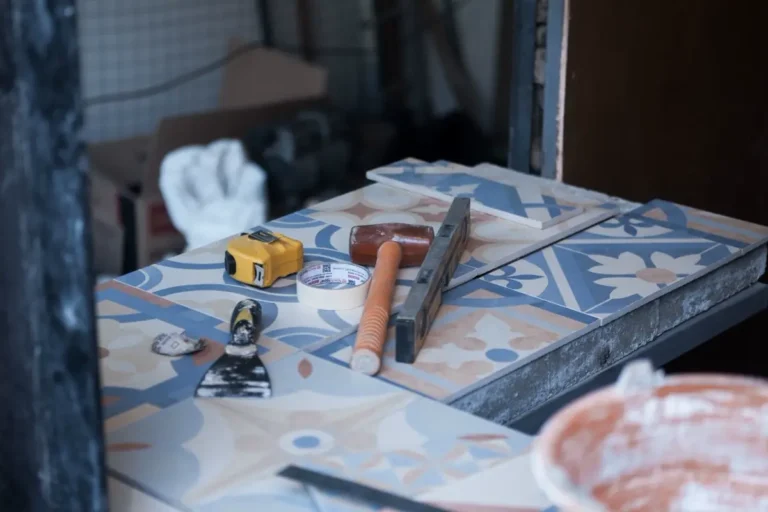
- Ceramic and porcelain tile, straight lay: 5–10% wastage allowance. Large rectified tiles in big rooms sit near 5%; small rooms and bathrooms with many cuts need 10%.
- Diagonal, herringbone and chevron patterns: 10–15%. Every row that meets a wall at 45° produces triangular offcuts that usually cannot be reused.
- Large-format and sintered stone slabs (e.g. 1200×2400mm and up): 8–12%. Cutting waste per piece is high, and a single cracked slab removes a large area from stock at once.
- Natural stone (marble, granite, travertine): 10–15%. Vein and color matching forces selective use of each slab or tile, and soft edges chip during handling.
- Engineered wood and SPC flooring: 5–10%. Plank layouts stagger end joints, so cut ends are partly reusable; herringbone timber goes to the top of the range.
- Carpet tiles: 3–5%, the most forgiving category, since offcuts and attic stock overlap heavily.
- Broadloom carpet: 10–20% depending on room shape, because seams must follow roll width (typically 3.66m or 4m) and pile direction must stay consistent.
Two cautions on applying the table. First, wastage is calculated per area type, not on the project total: a hotel with ballrooms at 5% and guest bathrooms at 10% should not be averaged into a single blended figure, or the bathrooms will run short while the ballroom over-orders. Second, patterned and book-matched stone should be reviewed drawing by drawing; a feature wall in book-matched marble can consume 20% or more in matching waste alone, which is one reason we walk clients through slab selection in our guide to how to source marble and natural stone from China.
Sourcing this for a commercial project?
FBM Sourcing works with project owners, developers, main contractors and FF&E contractors on hotel, apartment, school, office and other commercial building projects. Send us your BOQ, drawings or product list — our team will review it and get back to you.
How Do You Calculate the Order Quantity from Your Drawings?
The reliable way to build a flooring order is bottom-up, area type by area type, rather than applying one percentage to a project total. The sequence looks like this:
- Step 1 — Net area take-off: measure the net floor area of each area type from the finishes plan (guest rooms, corridors, lobby, back of house), excluding fixed built-ins.
- Step 2 — Layout factor: apply the pattern factor for how the material is laid — straight lay adds little, diagonal and herringbone push the figure up by 5 points or more.
- Step 3 — Wastage allowance: add the percentage from the table above for that material and room geometry.
- Step 4 — Attic stock: add the owner’s specified maintenance stock, commonly 2–5% of installed quantity for hard finishes in hospitality specs.
- Step 5 — Round up to logistics units: round to full cartons, full crates and sensible container loads, since factories sell by carton and freight is booked by container.
A worked example: a 1,000 m² apartment amenity floor in herringbone SPC takes 1,000 m² net, plus 10% pattern-and-cutting wastage, plus 3% attic stock, which lands at roughly 1,130 m² before carton rounding. Doing this per area type typically produces an overall order 8–14% above net area on a mixed commercial project — noticeably more than the flat 5% some contractors carry, and far cheaper than a stalled program. If you are still comparing materials at specification stage, our overview of the best flooring for hotel and apartment projects covers how each option behaves on exactly this arithmetic.
Watch for three common take-off mistakes. Gross floor area is not net finish area: columns, cores, built-in millwork and floor boxes all reduce the tiled surface, and measuring gross inflates the base before percentages are even applied. Skirting and cove tiles are linear items and must be counted in metres, not absorbed into the area percentage. And where the same tile runs on both floor and wall — typical in guest bathrooms — quantify the two planes separately, because wall work in small rooms generates more cutting waste than floor work in the same room and usually deserves the top of the wastage range.
How Much Extra Should You Add for Shipping Breakage from China?
Transit breakage is the layer that domestic wastage tables ignore. Tile and stone travel well when packed correctly — palletized cartons with corner protection for tile, fumigated wooden crates with foam separators for slabs and stone — but a full ocean journey plus two or three handling events at port and warehouse will still claim a small share of any brittle material. For ceramic and porcelain tile shipped in full containers, the practical rule is to add 2–3% on top of the installation wastage allowance; for natural stone and large slabs, packing quality matters more than any percentage, so crate design is checked before the container is closed.
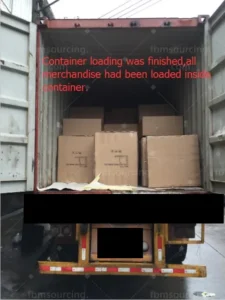
Capacity planning helps here, because the breakage buffer often fits into space you are already paying for. A 40HQ container loaded with 10–12mm porcelain tile typically carries on the order of 1,300–1,600 m², constrained by the roughly 28-ton payload limit rather than by volume — tile containers weigh out long before they cube out. If your net requirement is 1,450 m², the wastage and breakage margins may simply top off the same container at no extra freight cost. All inspections are carried out by FBM Sourcing’s own team at the factory before shipment, with photo and video records delivered to the client — including carton drop-checks and crate packing photos, so any dispute about transit damage versus factory damage is settled with evidence rather than argument. The full logistics chain, from loading port to customs clearance, is covered in our step-by-step guide on how to import porcelain tile from China.
One procedural point protects the whole buffer: count and photograph on arrival. Marine cargo insurance and carrier claims run on short notice windows — visible damage should be noted on the delivery receipt at the door, and most policies expect written notice of concealed damage within about 3 days of delivery. Have the receiving team open a sample of cartons per pallet the day the container is unstuffed, reconcile against the packing list, and file photos immediately. A breakage allowance covers the expected loss; documentation is what recovers the unexpected loss above it.
Dye Lot and Caliber: Why You Must Order the Full Quantity Once
Even a generous wastage percentage fails if the order is split into batches. Porcelain and ceramic tile carry two batch identifiers on every carton: the shade or dye lot code, and the caliber, which records the fired size within the tolerance bands defined by ISO 13006 (the international standard for ceramic tile classification). Tiles from different calibers can differ by a millimetre or more in actual size, which shows up immediately in grout joints; tiles from different shade lots can read as visibly different colors under lobby lighting even when the catalogue code is identical.
Factories do not hold shade lots open. Once a production run ends, the next run is a new lot, and no reputable factory will guarantee an exact match — a fact that surprises many first-time importers reviewing top ceramic tile manufacturers in China, since even the largest producers work this way. Natural stone is stricter still: blocks from a different bench of the same quarry can vary sharply in veining and background tone. The operational conclusions are straightforward: order the full quantity, including all allowances, as a single production batch; have shade and caliber codes verified across cartons before shipment; and store surplus material on site by lot so repairs years later draw from matching stock. As a building material sourcing agent, FBM Sourcing writes single-batch supply and lot-code verification into the purchase terms, because it costs nothing at order stage and is unfixable afterwards.
On site, protect the batch discipline you paid for. Store surplus cartons indoors, labelled by area type and lot code, and instruct the installer to work from mixed cartons across the floor rather than finishing one pallet before opening the next — blending cartons disguises the minor shade drift that exists even within a single lot. When the project closes out, the leftover wastage margin plus the specified attic stock transfer to the owner together, with the lot codes recorded in the O&M manual so a repair five years later starts from the right boxes instead of a hopeless color-matching exercise.
Get a China Procurement Quote for Your Project
FBM Sourcing is a china sourcing agent for commercial building projects — hotels, apartment buildings, schools, hospitals, offices, government works, chain restaurants and gas stations. We review your finishes schedule, confirm realistic wastage and breakage allowances per material, and consolidate tile, stone, flooring, furniture and the rest of your BOQ into factory-direct orders with our own pre-shipment inspection on every batch. For suppliers you nominate, we charge a 5% commission; for products we source for you, we quote a direct price.
To get a quotation, submit your drawings or BOQ, the quantities and materials involved, your destination port, and your target timeline. We work with project owners, developers, main contractors and FF&E contractors on commercial projects; we do not serve retail or single-home orders. Use the quote button above or message us on WhatsApp, and tell us which materials are on the critical path so we can sequence production accordingly.