For a hotel FF&E order from China, the working attic stock standard is: 2–3% on soft goods (drapery panels, cushion covers, bed runners and upholstery fabric by the meter), 1–2% spare components on casegoods and seating (drawer runners, hinges, chair legs, headboard panels), and 3–5% spare shades plus matched bulbs and LED drivers on decorative lighting. Write these allowances into the original purchase orders and ship them in the same containers as the main order — on a 100-key hotel the complete attic stock package occupies roughly 1–2 m³ of container space, while a standalone re-order two years later carries minimum order quantities, new freight and a dye lot that will not match. FBM Sourcing is your sourcing partner in China: it holds no inventory and has no product range of its own.
FBM Sourcing builds these allowances into every complete hotel FF&E package we consolidate for hotel, apartment and mixed-use projects in the US, Australia, Europe and the Caribbean. This guide goes deeper than the headline percentages: how the ratio changes by product category, why discontinuation risk sets the numbers, what attic stock actually costs against a re-order, and when it should ship.
- Soft goods: 2–3% attic stock — fabric by the meter plus finished drapery panels and cushion covers per room type.
- Casegoods and seating: 1–2% spares on high-wear components, not whole furniture units.
- Lighting: 3–5% spare shades plus a stock of matched bulbs and LED drivers.
- Timing: attic stock ordered with the main production run costs the marginal meters and parts only; a later re-order carries MOQs, fresh freight and dye-lot risk.
- Footprint: complete attic stock for a 100-key hotel ≈ 1–2 m³ — a corner of the last container.
What Is Attic Stock and Why Does Every Hotel Project Need It?
Attic stock is the reserve of FF&E materials and components a hotel holds on site to repair and replace items after opening — named for the storage attic it traditionally lived in, and today usually a coded shelf in a back-of-house storeroom. It exists because hotel FF&E takes damage from day one of operation: drapery gets stained, chair fabric tears, drawer runners fail, lampshades dent. Most hotel brand FF&E standards treat attic stock as a handover deliverable, and an owner who opens without it discovers the gap the first time housekeeping reports a stained bed runner with no replacement in the building.
The reason attic stock must be planned at procurement stage — not bought later — is that hotel FF&E is custom-produced. The fabric was dyed for your order, the casegoods were built to your shop drawings, the lampshades were made in your specified finish. None of it sits on a shelf anywhere waiting to be re-ordered in ones and twos. A furniture sourcing agent who has handed over hotel packages will raise attic stock at purchase-order stage precisely because it is nearly free at that moment and expensive at every moment afterwards.
How Much Attic Stock per FF&E Category?
The single most common mistake is applying one flat percentage across the package. The right allowance differs by category because failure modes differ by category.
Soft goods — 2–3%, the highest ratio in the package. Drapery, cushion covers, bed runners and upholstery fabric are the items that stain, tear and fade first in hotel operation. Order the allowance in two forms: finished pieces (spare drapery panels and cushion covers per room type, so housekeeping can swap same-day) and raw fabric by the meter for future reupholstery. On a 100-key property, 2–3% works out to roughly 2–3 spare drapery sets per room type plus 30–50 meters of each principal upholstery fabric.
Casegoods — 1–2% on components, not complete units. A wardrobe rarely fails as a wardrobe; its drawer runners, hinges, and door fronts fail individually. Spare complete casegoods are bulky, expensive and mostly unnecessary — the exception being the most damage-prone freestanding pieces (luggage benches, desk chairs), where many projects add one complete unit per 50–100 keys. The component list should come straight from the factory’s own bill of materials: runners, soft-close hardware, adjustable feet, spare door and drawer fronts in the finished color, and headboard panels.
Seating — spare fabric plus wear parts. For upholstered seating the attic stock is mostly fabric: enough of each cover fabric to reupholster 2–3% of the chairs, plus glides, legs and caster sets. Reupholstery in the original fabric is a routine maintenance job; reupholstery in a near-match fabric is a visible patchwork across the guest floors.
Lighting — 3–5% spare shades, plus drivers and bulbs. Shades dent and discolor faster than fixtures fail, and LED drivers fail far more often than the fittings they power. A stock of matched drivers and bulbs in the specified color temperature prevents the classic post-opening problem of one warm-white lamp in a row of cool-white ones. Where fixtures are certified for 120V (US) or 220–240V (Australia/Europe), spares must carry the same certification as the main order.
Finishes and touch-up — small but disproportionately useful. Factory-matched touch-up kits, stain markers in the casegoods finish, spare handles and trim. These cost almost nothing at production time and are unobtainable in a matching finish afterwards.
Building materials in mixed packages — treat overage as attic stock. Many hotel and apartment packages sourced through FBM Sourcing combine FF&E with building materials, and the same logic applies with different numbers. Tiles and stone are ordered with a 3–5% overage as standard practice — partly for cutting waste during installation, partly because ceramic tiles are produced in shade batches that later runs will not match, which makes the leftover boxes the de facto attic stock. Engineered flooring follows the same rule at 3–5%, and door hardware should include spare handle sets and hinges in the specified finish. The uninstalled surplus should be inventoried and shelved with the FF&E spares at handover rather than treated as site waste — five boxes of tiles from the original batch are worth more to the maintenance team than any future re-order.
Why Discontinuation and Dye-Lot Risk Set the Ratios
The percentages above are driven by one fact of manufacturing: custom-produced materials cannot be re-created identically later. A fabric mill’s dye lot changes with every production run — a re-order of the “same” fabric two years on will typically differ visibly in shade, which matters when the new cushion sits next to the original sofa. Decorative fabric collections are also routinely discontinued within a few years, at which point no quantity of money reproduces the original cloth.
The same logic applies in wood and metal. Veneer is matched in batches; a headboard panel produced later from a different flitch will not match the wardrobe beside it. Plating and powder-coat finishes drift between runs. And custom re-orders carry minimums: custom-dyed fabric commonly starts at 300 meters or more per color, against a repair need of perhaps 15 meters. Attic stock is how a project converts these manufacturing realities from a future crisis into a line item. This is also why the allowance must be specified during production — the window in which matching material exists closes when the production run ends.
Sourcing this for a commercial project?
FBM Sourcing works with project owners, developers, main contractors and FF&E contractors on hotel, apartment, school, office and other commercial building projects. Send us your BOQ, drawings or product list — our team will review it and get back to you.
What Does Attic Stock Cost Compared With a Re-Order?
At production time, attic stock is priced at the margin. Adding 3% to a fabric run costs the marginal meters only — the mill is already set up, the dye bath is already mixed. Adding spare drawer runners to a casegoods order costs component prices from a bill of materials the factory has already priced. Freight is effectively zero, because 1–2 m³ of spares rides in void space within containers the project is shipping anyway.
A standalone re-order later reverses every one of those economics. The factory must requote a broken-batch quantity, often below its minimum; custom materials reintroduce MOQs measured in hundreds of units or meters; and the shipment now travels as small-parcel loose freight, where fixed documentation and handling charges make a few cartons disproportionately expensive to move. The comparison is stark enough that on most projects the entire attic stock package costs less than a single emergency re-order of one fabric. Storage on site is equally undramatic: the full allowance for a 100-key hotel fits a 10–15 m² storeroom. The cost to furnish a 100-room hotel breaks down where the rest of the budget goes — attic stock is among the smallest lines with the largest downstream leverage.
Should Attic Stock Ship With the Main Order?
Yes — always in the same containers as the main production run, never as a deferred “after opening” purchase. Shipping together guarantees the spares come from the same production batch (same dye lot, same veneer flitch, same plating run), which is the entire point of holding them. It also means the spares arrive before the hotel opens, coded and labeled for the storage room, rather than competing for attention during the chaos of soft opening.
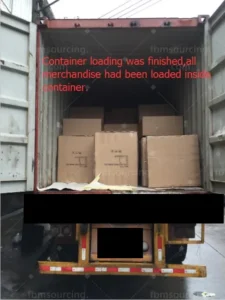
Practically, attic stock adds roughly 1–2 m³ to a 100-key package that already ships in 10–11 forty-foot high-cube containers — it occupies void space in the final container rather than adding freight. Each attic stock carton should carry the same item codes as the main order plus an “ATTIC” suffix on the packing list, so the install crew routes it to back-of-house instead of a guest floor. The sequencing of when spares are produced and packed sits inside the overall hotel FF&E procurement timeline — the allowance is confirmed at purchase-order stage, produced with the main run, and packed at consolidation.
How a Sourcing Agent Builds Attic Stock Into the Package
A complete hotel package is produced by 8–15 specialized factories, which means attic stock is not one decision but a dozen small ones — a fabric allowance at the mill, a component list at the casegoods factory, a shade count at the lighting workshop. The china sourcing agent consolidating the package is the only party positioned to make all of them at the right moment, because the agent writes the purchase orders.
FBM Sourcing handles it in four steps: the attic stock schedule is drafted per category alongside the spec book; allowances are written into each factory’s purchase order at placement; quantities are verified during pre-shipment inspection — all inspections performed by FBM Sourcing’s own QC team at the factory, documented in photos and video; and the spares are consolidated, coded and loaded into the final container with a dedicated section on the packing list. The owner receives a one-page attic stock register at handover listing every spare item, its code, its quantity and its shelf location — the document the maintenance team will use for the next decade.
Attic stock covers you after handover; installation wastage is ordered up front — here is what wastage allowance to order for tiles, stone and flooring.
Get a China Procurement Quote for Your Project
If you are specifying or budgeting an FF&E package for a hotel, apartment or mixed-use project, FBM Sourcing will build the attic stock schedule into the package from the first quotation — category-correct ratios, batch-matched spares, and a coded handover register. Submit your drawings or FF&E schedule, room count and mix, destination port and target timeline through our China procurement inquiry page, and our team will review your requirements and get back to you.