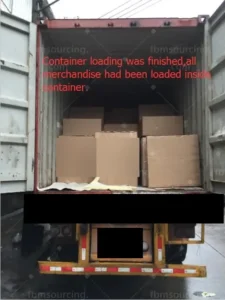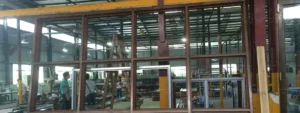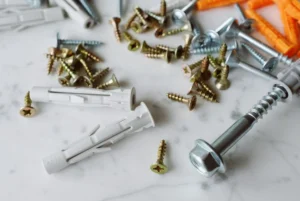

Most window defects that surface on site trace back to hardware, not glass or profile — a roller that binds, a hinge rated for a lighter sash than it’s carrying, or a lock that doesn’t engage on all points. A pre-shipment hardware check that actually operates every sash, rather than just looking at it, is what catches these before the container loads instead of after installation. As your China sourcing partner, FBM Sourcing manages this end-to-end.
Why Does Hardware Fail More Often Than Glass or Frame?
Glass and profile are relatively easy to inspect visually — a crack, a scratch or a dimension error is obvious on sight. Hardware defects are functional, not visual: a roller can look fine and still bind under load, and a lock can look installed correctly and still fail to engage all three points. This is why hardware needs to be operated during inspection, not just examined.
What Should Be Checked on Sliding Window Hardware?
- Roller material and wheel condition — nylon or stainless steel wheels sized for the sash weight, not a lighter stock roller
- Track alignment — the sash should slide its full travel without binding or dropping at either end
- Anti-lift devices — present and functional on ground-floor or accessible units
- Screen frame fit — seated correctly with no gaps at the track
What Should Be Checked on Casement Window Hardware?
Casement hardware carries more load per point than sliding hardware, which makes it less forgiving of substitution:
- Hinge load rating — matched to sash weight and size, with heavier-duty hinges on larger units
- Multi-point lock engagement — every point should engage when the handle is turned, not just the primary point
- Friction stay function — the sash should hold position at any opening angle without drifting shut or over-swinging
- Weatherseal compression — the seal should compress evenly around the full perimeter when closed, with no visible gaps at corners
How Is This Actually Tested at the Factory?
A proper inspection cycles each sash through its full range of motion — open, close, lock — rather than checking it once in the closed position. On a large order this means testing a statistical sample across the batch, not just the first unit off the line, since hardware assembly quality often varies within a production run as workers or components change.
Sourcing this for a commercial project?
FBM Sourcing works with project owners, developers, main contractors and FF&E contractors on hotel, apartment, school, office and other commercial building projects. Send us your BOQ, drawings or product list — our team will review it and get back to you.
What Happens When a Hardware Defect Is Found?
A china sourcing agent managing pre-shipment inspection has the standing to reject and require correction before packing — this is the practical value of using an agent rather than relying on the factory’s own QC, which has an incentive to pass its own output. Corrections at this stage (reworking a hinge, replacing a roller batch) cost the factory time and materials; corrections after arrival cost the buyer a site visit, a warranty claim, and a delayed handover.
How Does This Apply Across Window Systems?
These checks apply regardless of which system is specified — see our comparison of sliding vs casement windows for how hardware requirements differ between the two, and our casement window and sliding window pages for the component specifications we lock in before production on every order.
Get a China Procurement Quote for Your Project
Send your window schedule, quantities, destination port and timeline, and our team will review your requirements and get back to you. Submit your project requirements.
Related reading