Ask where to find a wood door manufacturer in China and most answers point vaguely at “Guangdong.” The reality is more useful: China’s door manufacturing splits into distinct regional hubs, each with its own economics, quality band and customer base — and the hub a factory sits in tells you more about how your order will go than its catalogue does. As a china sourcing agent and sourcing partner buying doors across these clusters weekly, here is the market map we actually work from, and how each hub’s structure should change the way an overseas project buyer approaches it.
The Pearl River Delta: Where Wood Door Manufacturers Cluster
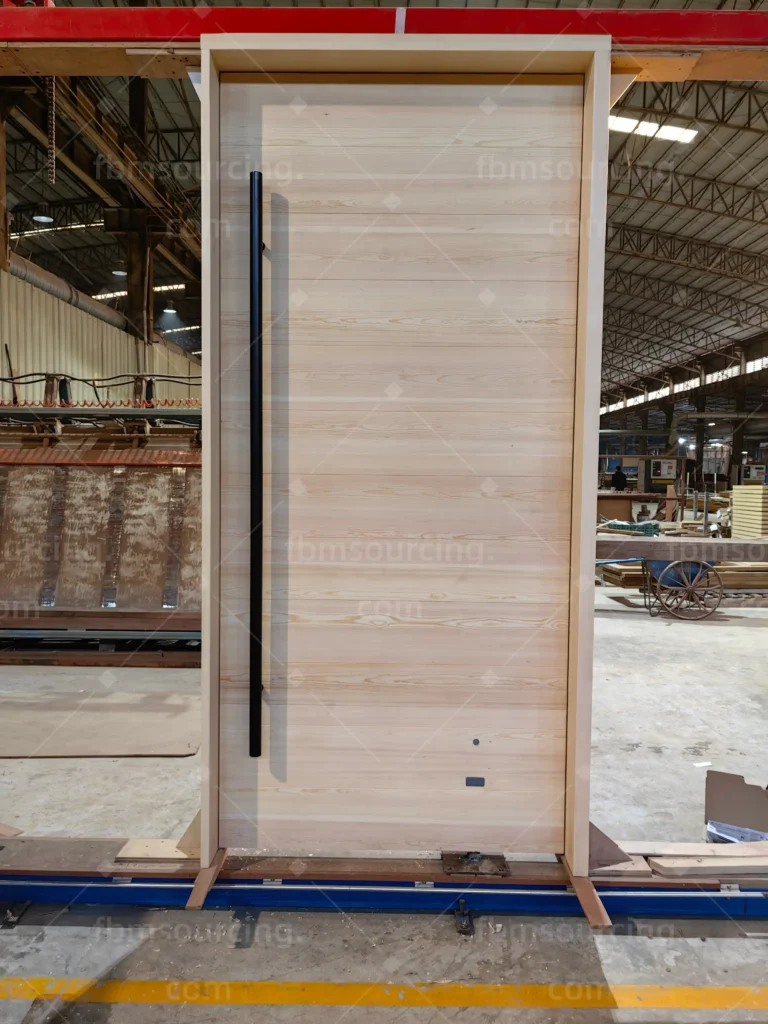
Guangdong province — Foshan and the surrounding Pearl River Delta — is the center of gravity for engineered wood doors, veneer and lacquer finishes, and doors sold as part of complete interior packages. The hub grew alongside Foshan’s furniture and building materials ecosystem, which is precisely its advantage for project buyers: the region behind our wooden door sourcing from China program can consolidate wardrobes, vanities and skirting into the same containers as the doors. Factory scale ranges from workshops serving domestic developers to export plants running CARB-compliant cores and NC-machined hardware preps. The spread in quality inside a single industrial zone is wide — two neighboring factories can differ by a decade in process discipline — which is why factory audits matter more here than in any other door hub.
What the Guangdong Hub Rewards
The hub is at its best on specification-driven volume: 100–500 engineered leaves per design, custom veneers, project-matched finishes. Its natural minimums start around 50–80 leaves per design; below that, buyers are dealing with traders or paying small-batch premiums. Boutique projects should know this before assuming factory-direct pricing.
Zhejiang: Steel Doors, Fire Doors and Hardware at Volume
Zhejiang province — Yongkang and Wuyi in particular — dominates steel door production: entry doors, fire-rated leaves, stairwell and service doors. The hub’s DNA is metal forming, and the same region produces much of the world’s door hardware, which shortens the supply chain for listed closers, hinges and panic devices on rated openings. Pricing is aggressive and volume-driven — the hub performs best on repetitive schedules of a hundred leaves or more, the scope we handle under metal door sourcing from China for schools, apartments and hotel back-of-house.
The Aluminum System Clusters: Doors You Buy as Systems
Aluminum entrance doors, sliding and folding systems come out of the extrusion economies — Foshan again, with some of the world’s largest profile producers in its orbit, plus northern clusters in Shandong. The buying logic differs from timber and steel: you are buying a system, not a leaf. Frame series, thermal breaks, glass build-ups and hardware compatibility define the product, and fabricators assemble systems from profiles they may not extrude themselves. That structure rewards buyers who specify system parameters tightly — the approach we detail in sliding door sourcing from China for hotel and apartment balcony programs.
What the Hub Structure Means for Project Buyers
No Single Factory Covers a Commercial Schedule
A hotel door schedule crosses at least three hubs. The factories know this and quietly subcontract what they do not make — wood door manufacturers reselling steel fire doors at a markup, steel factories trading aluminum systems. Buying each door type in its home hub, through the factories that actually manufacture it, usually beats one-stop pricing and removes an invisible quality risk.
Consolidation Is Where the Map Pays Off
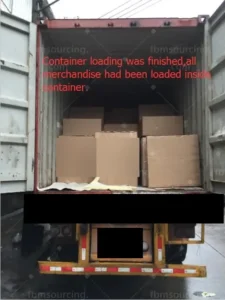
Multi-hub buying only works with a consolidation point. We receive doors from Zhejiang and Guangdong into one warehouse, inspect against one protocol, and load containers by installation zone — so the geography of Chinese manufacturing stays invisible to the site team. The full category breakdown is on our door sourcing from China page.
Sourcing this for a commercial project?
FBM Sourcing works with project owners, developers, main contractors and FF&E contractors on hotel, apartment, school, office and other commercial building projects. Send us your BOQ, drawings or product list — our team will review it and get back to you.
Reading the Market in 2026
Two currents are worth watching this year. Domestic Chinese construction demand remains soft, which keeps export pricing competitive and makes mid-size overseas project orders more attractive to factories than they were during the domestic building boom — buyers currently get senior attention at order sizes that would have been ignored five years ago. Second, certification capability keeps concentrating: the wood door manufacturers investing in UL listings, Australian test evidence and tight formaldehyde documentation are pulling ahead of the commodity field, and their order books show it. For overseas developers and contractors, the conclusion is straightforward: the market is buyer-friendly in 2026, provided the buying is organized around the hubs as they actually exist.
How Pricing Differs Between the Hubs
The hub structure shows up directly in the quotations. Guangdong engineered wood door prices for export projects depend on core, veneer species, finish system and rating, and the wide price spread reflects the equally wide quality spread inside the hub. Zhejiang steel doors run harder to the floor on repetitive fire-rated leaves at volume, and the hub’s pricing discipline makes it difficult for factories elsewhere in China to compete on standard steel products at all. Aluminum systems price per square meter rather than per leaf, depending on system type, profile series and glass build, because the extrusion and glass content dominate the cost. Comparing quotes across hubs therefore means comparing different cost structures, and the cheapest headline number is frequently a factory quoting outside its home category through a subcontractor you will never audit.
Questions That Reveal Which Hub You Are Actually Buying From
Because factories quote outside their manufacturing base so freely, we recommend three questions on every door quotation regardless of what the catalogue claims. First: which products on this quotation are manufactured in your own facility, and which are supplied by partners? An honest split is workable; a claim of 100% in-house across timber, steel and aluminum is not credible from any single factory in China. Second: can the audit visit include the production line for each product type quoted? Factories subcontracting will reschedule, redirect or offer the partner’s line as their own — all detectable on a properly run audit. Third: whose name appears on the certification documents? Fire door listings and window test reports name the manufacturing plant; a mismatch between the certificate holder and the quoting company is the clearest single signal that you are buying through a layer.
How Overseas Buyers Access These Hubs in Practice
Project buyers rarely have the time to develop three regional factory relationships for one door schedule, which is why the practical access route is either a general trading company or a procurement agent operating across the hubs. The difference is accountability structure: a trader owns the margin between you and factories you cannot see, while a sourcing agent carries the responsibility for every factory it appoints, with QC and inspection records shared with the client. For one-off container purchases the distinction matters less; for a commercial project where the door package must arrive certified, sequenced and matched to a hardware schedule, that accountability structure is what makes multi-hub buying manageable from another continent. Whichever route a buyer chooses, the test is the same — ask who inspects each production site on the order before shipment, and treat reluctance as an answer.
Get a China Procurement Quote for Your Door Package
FBM Sourcing manages door and window procurement from factory shortlist to container loading for hotels, apartments, schools and commercial buildings in the USA, Australia, Europe and the Caribbean. Send us your door schedule, drawings, quantities, destination port and project timeline, and our team will review your requirements and get back to you. Submit your project requirements here.
Related reading