Yes — for practical purposes, every hardwired lighting fixture on a US commercial project needs certification from a Nationally Recognized Testing Laboratory (NRTL), because the electrical inspector who signs off your building will look for the mark. UL and ETL are both NRTL marks accepted by US electrical inspectors, and Chinese factories that export commercial lighting routinely hold one or the other. The real question for a project buyer is not whether UL listed lighting from China exists — it does, at scale — but how to confirm a specific factory’s file covers the specific fixtures on your schedule before money moves. This is exactly the kind of project FBM Sourcing, your China sourcing partner, is built to handle.
This article walks through what the NRTL system is, the difference between Listed, Recognized and Classified, which fixture categories inspectors scrutinize hardest, and the database lookup that catches false certification claims in five minutes.
What Is an NRTL, and Why Does the Electrical Inspector Care?
OSHA maintains an official list of Nationally Recognized Testing Laboratories under 29 CFR 1910.7 — currently around 20 labs authorized to test and certify products to US safety standards. When a fixture carries an NRTL certification mark, it means samples of that product were tested to the relevant standard (for luminaires, typically UL 1598) and the production site is subject to ongoing follow-up surveillance by the certifier.
The National Electrical Code, adopted in some edition by essentially every US jurisdiction, requires that equipment be listed and be installed per its listing. The person who turns that sentence into reality is the AHJ — the authority having jurisdiction, usually the city or county electrical inspector. At inspection, an unmarked fixture is not a negotiation; it is a correction notice. On a commercial job the downstream cost is brutal: fixtures already hung across three floors may need to come down, and the electrical contractor will pass that cost straight up the chain to whoever purchased the fixtures.
The key points compressed:
- OSHA recognizes roughly 20 NRTLs; UL and ETL are the marks most common on lighting.
- The NEC requires luminaires to be listed; the AHJ enforces it at inspection.
- Certification covers the specific model at a specific production site, with follow-up surveillance.
- Emergency and exit fixtures answer to their own standard, UL 924.
- Every claimed UL file is publicly verifiable in the UL Product iQ database.
UL Listed vs UL Recognized vs UL Classified: What the Marks Mean
These three terms get blurred in factory sales decks, and the differences decide whether your fixtures pass inspection.
UL Listed
The complete end product — the whole luminaire — was tested and certified for installation in the field. This is what your fixture schedule needs. A listed troffer, downlight or pendant carries the mark on its label and can be installed as-is.
UL Recognized Component
A component — an LED driver certified to UL 8750, a lampholder, a wiring harness — approved for use inside a certified end product, not for standalone installation. A factory that says “our lights are UL” because the driver inside is Recognized is describing an unlisted fixture. This is the single most common misunderstanding in commercial lighting sourcing from China, and it is sometimes an honest translation gap rather than deception — but the inspector will not care which.
UL Classified
The product was evaluated only for specific properties or hazards — for example fire-resistance characteristics — rather than as a complete safety certification. Classified is not a substitute for Listed on a luminaire schedule.
The legitimate production pattern you want to see: a fixture Listed as a complete luminaire under UL 1598, built around a Recognized driver under UL 8750. That combination is exactly how export-grade Chinese factories structure their certifications, because it lets one Recognized driver serve many Listed fixture families.
Is UL Listed Lighting From China Actually Common?
Yes. China produces the majority of the world’s LED fixtures, and factories built for the US market treat NRTL certification as a cost of doing business, not an exotic add-on. A plant running US-bound commercial product typically holds a portfolio: fixture listings across its downlight, panel, track and linear families, ETL or UL marks depending on which lab it works with, plus damp or wet location ratings on the families that need them. Certification files name the production site, so the mark also tells you the goods are made where the file says they are made.
The catch is coverage. A factory with a genuine file for its 6-inch commercial downlight family does not automatically have coverage for the 4-inch adjustable version your lighting designer picked, or for a housing modified to hit your project’s price point. Certification follows exact model constructions. When a factory offers to “make it fit your budget” by swapping the driver or thinning the housing, the certified construction may no longer be what ships — which is why indoor lighting sourcing for code-governed projects has to tie the purchase order to certified model numbers, line by line.
Sourcing UL-listed lighting for a US project?
FBM Sourcing tenders lighting packages across specialist Chinese factories and matches the UL or ETL listing to the model numbers actually shipped, line by line against your fixture schedule. Send your schedule, cut sheets or BOQ — our team will review it and get back to you. See what sits inside lighting sourcing.
Which Fixture Categories Get the Hardest Look at Inspection?
All hardwired fixtures need a listing, but four categories carry extra requirements that a lighting schedule from China must get right the first time.
Emergency and exit lighting — UL 924
Exit signs, emergency drivers and battery-backed egress fixtures certify to UL 924, which requires a minimum of 90 minutes of emergency operation on battery power — the same 90-minute figure life-safety codes demand for egress illumination. Fire marshals test this with the button on the wall, not with paperwork, so emergency lighting sourcing is the one category where an uncertified product is guaranteed to be discovered, at the least convenient possible moment of your certificate-of-occupancy timeline.
Recessed and ceiling-mounted fixtures
Recessed downlights interact with building insulation and structure, so their listings carry designations like IC-rated (safe for direct insulation contact) and airtight construction. A non-IC housing installed against insulation is both a code violation and a fire pathway, and inspectors check housings before the ceiling closes.
Damp and wet location fixtures
Luminaire listings state an environment: dry, damp or wet location. Bathrooms, covered exterior soffits and pool areas call for damp-rated product; open-to-weather facades and canopies need wet-rated. A dry-location fixture in a hotel bathroom fails inspection even though it is genuinely Listed — the rating, not just the mark, has to match the location.
Low-voltage strip and cove systems
LED tape gets treated casually because it feels like a component, but inspectors read the system: strips, channels and drivers should be certified product, with Class 2 power-limited drivers (100VA maximum output per circuit) doing the supply. On hospitality projects with long cove runs, plan LED strip lighting as a certified system from one factory rather than assembling strips from one source and drivers from another and hoping the combination was ever evaluated together.
How Do You Verify a Factory’s UL File Before Paying a Deposit?
This is the highest-value habit in the whole topic, and it takes five minutes. UL publishes its certifications in UL Product iQ, a public database that is free to search after registration. The check, in order:
Once the listing requirement is understood, the next question is which supplier route can satisfy it — the verifiable listed companies and the supplier types are set out in our guide to LED lighting manufacturers in China for US commercial projects.
- Ask the factory for its UL file number — usually the letter E followed by five to seven digits — plus the certified model numbers.
- Search the file number in UL Product iQ and confirm the file is active.
- Confirm the company name and factory location on the file match the plant you are actually buying from.
- Confirm the product category is luminaires — a file that turns out to cover only a Recognized component is the red flag described above.
- Match the certified model numbers against your fixture schedule, model by model.
Fixtures carrying the ETL mark follow the same logic — ask for the listing report and control number, and verify through the mark’s public listing directory. When our team runs hotel room lighting packages, this database verification happens at the shortlist stage, before sampling; as a china sourcing agent we treat an unverifiable file number as a closed door, and goods are inspected before shipment by our own team, with photo and video records — including the certification labels on the actual production units, so the marks that arrive at your site match the file that was verified.
DLC Listing: Not About Safety, About Money
One more mark matters on commercial LED schedules, and it is frequently confused with safety certification. DLC (DesignLights Consortium) listing is an energy-efficiency qualification, not a safety listing — it does nothing for your inspection, but most US utility rebate programs for commercial LED upgrades pay out only on products found on the DLC Qualified Products List. DLC technical requirements also impose a minimum five-year product warranty, which quietly does some quality screening for you.
For a new build office or apartment project in a utility territory with active rebate programs, specifying DLC-listed fixtures can return meaningful money against the lighting package after energization. The practical takeaway: safety mark first — without UL or ETL nothing goes on the ceiling — then DLC where a rebate program makes it worth the factory’s slightly narrower certified-model options.
What About Custom Decorative Fixtures With No Listing?
Hotels and high-end lobbies run on custom pieces — oversized chandeliers, bespoke wall sconces, feature pendants — that no standing certification file covers. There are three workable paths, in descending order of preference:
First, have the factory build the custom piece around certified electrical internals and obtain a listing for the custom construction; established export factories can run this through their existing certifier relationship, and it should be planned into the production schedule from day one rather than discovered as a requirement at shipment. Second, design the “custom” piece as a modification of an already-listed fixture family, keeping the certified electrical construction untouched while the visible body changes. Third — the fallback — a field evaluation: an NRTL inspects the installed fixtures on site and applies a field evaluation label the AHJ can accept. Field evaluation genuinely works and AHJs accept it routinely, but it is priced per fixture type and per visit, so across the dozens of custom pieces on a full hotel it becomes the most expensive way to solve a problem that certification during production would have solved cheaper. Budget-holders should treat field evaluation as an escape hatch, not a plan.
In California, UL listing is the floor and Title 24 is the ceiling: see California Title 24 requirements for China-sourced lighting and glazing for lighting power density, controls and Title 20 registration.
Get a China Procurement Quote for Your Project
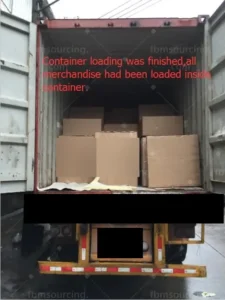
If your project’s lighting schedule is heading to China for pricing, we will confirm NRTL file coverage model-by-model before you commit, coordinate UL 924 and wet-location requirements with the factory’s certified range, and manage production through to loading — with every order inspected before shipment by our own team, with photo and video records. Submit your fixture schedule or drawings, quantities, destination port and timeline through our China building materials and FF&E procurement page and our team will come back with a certified-factory shortlist for your package.