
Shipping from China to Saudi Arabia runs through one of three gateways: King Abdulaziz Port in Dammam for Riyadh and the Eastern Province (direct sailings from Shanghai, Ningbo and Shenzhen, then about 400 km of trucking to Riyadh), Jeddah Islamic Port for the western region, Mecca province and the Red Sea giga-projects, and Jebel Ali in Dubai as a transshipment and consolidation hub that adds a feeder-vessel or trucking leg through the Al Batha border. For a single-destination Saudi project, ship direct to the nearest Saudi port; Jebel Ali earns its place when you are consolidating several categories into full container loads or delivering one procurement package across several GCC countries. On projects like this, FBM Sourcing works as your dedicated sourcing partner.
The gateway decision is worth making early, because it drives your trucking budget, your customs documentation sequence and your buffer schedule. Here is the short version before we go port by port:
- King Abdulaziz Port, Dammam: direct services from main China ports, ~400 km to Riyadh, the natural gateway for Riyadh and Eastern Province sites.
- Jeddah Islamic Port: serves the western region, Mecca province and Red Sea coast projects; Riyadh is roughly 950 km inland from Jeddah.
- Jebel Ali, Dubai: adds a feeder or cross-border trucking leg via Al Batha; strongest for consolidation into full containers and multi-country GCC rollouts.
- Documentation: the SABER Shipment Certificate of Conformity (SCoC) must exist before customs clearance, and entries are processed through the Fasah platform.
- Free time: Saudi ports typically allow 5–10 demurrage-free days before daily container charges begin.
King Abdulaziz Port, Dammam: the Gateway for Riyadh and the Eastern Province
Dammam is the workhorse for project cargo heading to central and eastern Saudi Arabia. Direct container services from Shanghai, Ningbo and Shenzhen arrive on a transit time that depends on the loop and the number of intermediate calls; the carrier confirms it at booking. Because the vessel comes up through the Strait of Hormuz into the Arabian Gulf, Dammam sits on the same rotation many carriers use for Jebel Ali, which keeps schedules frequent.
The trucking leg is the real advantage. Riyadh is roughly 400 km from Dammam on a good highway corridor, which usually means same-day or next-day delivery once a container is released. For a Riyadh hotel or office fit-out drawing multiple containers, that short leg keeps inland haulage a small line item and, more importantly, keeps your site delivery schedule tight and predictable. Eastern Province destinations — Dhahran, Al Khobar, Jubail — are effectively local deliveries from the port.
The watch-out at Dammam is release discipline rather than congestion: if your SABER certificate or customs file is not ready when the vessel arrives, the short trucking leg saves you nothing while the container sits at the terminal eating free time.
Jeddah Islamic Port: the Red Sea Gateway for Western Region and Giga-Projects
Jeddah Islamic Port is the natural entry for anything west of the central plateau: Jeddah itself, Mecca province, Medina, and the Red Sea coast developments including NEOM and the Red Sea destination projects. Transit from main China ports is confirmed by the carrier at booking; vessels route through the Malacca Strait and up the Red Sea, often with a transshipment or intermediate call.
For western-region sites the trucking math strongly favors Jeddah. A NEOM-area or Red Sea coast delivery routed through Dammam would cross the entire country; routed through Jeddah it is a manageable coastal or northbound haul. The reverse is equally true: Riyadh is roughly 950 km from Jeddah, more than double the Dammam leg, so routing Riyadh cargo through Jeddah only makes sense when a specific sailing or consolidation reason justifies it.
Jeddah’s seasonal factor is unique in global shipping: Ramadan and the Hajj season bring surges of cargo and passenger traffic through the western region, and yard density and trucking availability tighten noticeably. Project managers shipping into Jeddah during these windows should add schedule buffer and book inland trucking earlier than usual.
When Does Routing Through Jebel Ali Make Sense?
Jebel Ali in Dubai is the largest container port in the Middle East and the region’s consolidation engine. Routing Saudi-bound cargo through it adds an extra leg — either a feeder vessel onward to Dammam, or trucking across the UAE–Saudi border at Al Batha — so it is never the fastest option for a single Saudi destination. It wins in three specific situations.
First, consolidation. If your project draws smaller volumes from multiple Chinese factories — say 30–45 CBM of lighting, ironmongery and sanitaryware that does not yet fill a container on its own — those categories are consolidated in China into full container loads first, and Jebel Ali’s dense feeder network then distributes them, which is more practical than thin direct services into Saudi ports.
Second, multi-country GCC programs. A chain restaurant or gas station rollout with sites in Saudi Arabia, the UAE, Qatar and Bahrain can land one consolidated procurement package in Jebel Ali and distribute by truck and feeder, rather than running four separate import operations. The same logic applies to UAE and Middle East contractors sourcing from China who already have clearance infrastructure in Dubai.
Third, staging and buffer stock. Jebel Ali’s free zones allow cargo to be held, re-packed or phased into Saudi Arabia against site readiness — useful when a giga-project’s installation schedule is moving. The trade-off is a second customs interface: goods entering KSA by truck still need their SABER certificates and Fasah entries in order at the Al Batha border, exactly as they would at a seaport.
Sourcing this for a commercial project?
FBM Sourcing works with project owners, developers, main contractors and FF&E contractors on hotel, apartment, school, office and other commercial building projects. Send us your BOQ, drawings or product list — our team will review it and get back to you.
Which Port Should You Use? Match the Gateway to Your Project Location
The simplest reliable rule for GCC project cargo: choose the gateway with the shortest inland leg to site, then check whether a consolidation or multi-country reason overrides it. Trucking distance is the number that compounds — a 400 km leg versus a 950 km leg, multiplied across a 25-container FF&E package, changes both cost and how quickly you can evacuate containers within free time.
| Project site region | Recommended gateway | Why |
|---|---|---|
| Riyadh and central region | Dammam | ~400 km trucking; frequent direct China services; fastest door-to-door combination |
| Eastern Province (Dhahran, Al Khobar, Jubail) | Dammam | Port is effectively local; shortest possible inland leg |
| Jeddah, Mecca province, Medina | Jeddah Islamic Port | Direct Red Sea entry; avoids a cross-country haul from the Gulf coast |
| NEOM and Red Sea coast giga-projects | Jeddah Islamic Port | Closest major gateway to the northwest coast corridor |
| Multi-country GCC rollout | Jebel Ali | One consolidated import, then feeder/truck distribution across the Gulf |
| Several categories not yet filling a container | Jebel Ali (consolidation) | Combine factories into fewer, fuller container loads, then feeder onward |
And the three gateways side by side, from a South China loading perspective:
| Gateway | Transit from South China | Best-served regions | Watch-outs |
|---|---|---|---|
| King Abdulaziz Port, Dammam | Confirmed by the carrier at booking | Riyadh, Eastern Province | Have SABER and customs files ready before arrival; free time burns fast on documentation gaps |
| Jeddah Islamic Port | Confirmed by the carrier at booking | Western region, Mecca province, NEOM, Red Sea coast | Ramadan/Hajj congestion; long 950 km haul if cargo is actually for Riyadh |
| Jebel Ali, Dubai | Base transit plus a feeder or Al Batha trucking leg | Multi-country GCC programs, consolidation into full containers, staged deliveries | Never fastest for a single Saudi site; second customs interface at the border |
What Paperwork Must Be Ready Before Your Cargo Reaches Saudi Customs?
Saudi Arabia is a documentation-first market: the clearance sequence is decided weeks before the vessel arrives. The single most common cause of stuck project containers is a missing SABER certificate, not a physical inspection issue.
Regulated building products need a Product Certificate of Conformity (PCoC) issued through a SASO-approved certification body, and then a Shipment Certificate of Conformity (SCoC) issued against that PCoC for each individual shipment — the SCoC must exist in the SABER system before customs clearance can proceed. We covered the full product-by-product breakdown in our guide to SASO and SABER certification for building materials shipped to Saudi Arabia; the shipping-side takeaway is that certification lead time must sit inside your production window, because a container that sails without its SABER trail arrives as a problem.
The customs entry itself moves through Fasah, Saudi Arabia’s national trade single-window platform, which links the importer, customs broker, port and carrier. Alongside the SABER records, a typical project file needs the commercial invoice, packing list, bill of lading and a certificate of origin legalized per current requirements — and the details must agree with each other line by line. Who actually lodges all this depends on how your import is structured; our article on who clears customs on a project import from China walks through the importer-of-record question in detail.
Container Free Time, Demurrage and Seasonal Congestion
Saudi ports typically grant 5–10 demurrage-free days from discharge, depending on the terminal and the line’s tariff, after which daily charges accrue per container — and on a 20-container project package, every idle day multiplies by twenty. The mechanics and avoidance tactics are the same worldwide; see our guide on how to avoid demurrage and detention charges for the full playbook.
The Saudi-specific discipline is sequencing: confirm the SCoC is issued before the vessel arrives, have the Fasah entry and broker briefed against the arrival date, and book inland trucking before discharge rather than after release. Around Ramadan and Hajj, add buffer at Jeddah specifically — clearance staffing hours shorten and trucking capacity toward Mecca province tightens, so a container can take noticeably longer than usual to evacuate.
When a Combined Gateway Strategy Wins
Larger programs often split routing rather than forcing everything through one port. A typical pattern: full containers of joinery, doors and tiles for a Riyadh tower ship direct to Dammam, while smaller mixed lots for the same developer’s UAE and Bahrain sites consolidate through Jebel Ali. Another: a Red Sea resort takes its FF&E through Jeddah, while its operator’s Riyadh head-office fit-out lands at Dammam the same month.
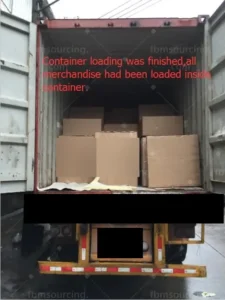
This is where working with a single China sourcing agent for Saudi Arabia projects across the whole package pays off: one party holds the production schedule, the SABER certification pipeline and the booking plan, so gateway decisions are made per shipment against real site-readiness dates instead of defaulting to whatever the forwarder quotes first. FBM Sourcing manages the entire China procurement package for overseas construction projects. Loading is planned around the routing too — a container that will cross the Al Batha border by truck is stuffed and documented differently from one discharging at Dammam, down to weight distribution and per-container packing lists.
Port choice sits inside a wider procurement sequence. How the containers are planned against the production and certification programme for a hospitality package is set out in hotel FF&E procurement from China for Saudi and GCC projects.
Get a China Procurement Quote for Your Project
If you are pricing a Saudi or wider GCC project — a hotel, apartment tower, school, hospital or multi-site rollout — send us your drawings, BOQ or product list along with quantities, destination region and your project timeline. As a building material sourcing agent working on a 5% commission for suppliers you nominate (products we source for you are quoted at a direct price), we quote the full package: factory pricing, SABER certification pathway, consolidation plan and the Dammam / Jeddah / Jebel Ali routing that fits your site.
Every shipment goes through a full pre-shipment inspection by FBM Sourcing’s own team on the factory floor, with photo and video records delivered before the containers sail — so what arrives at a Saudi port is what your project ordered.