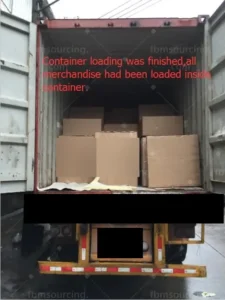
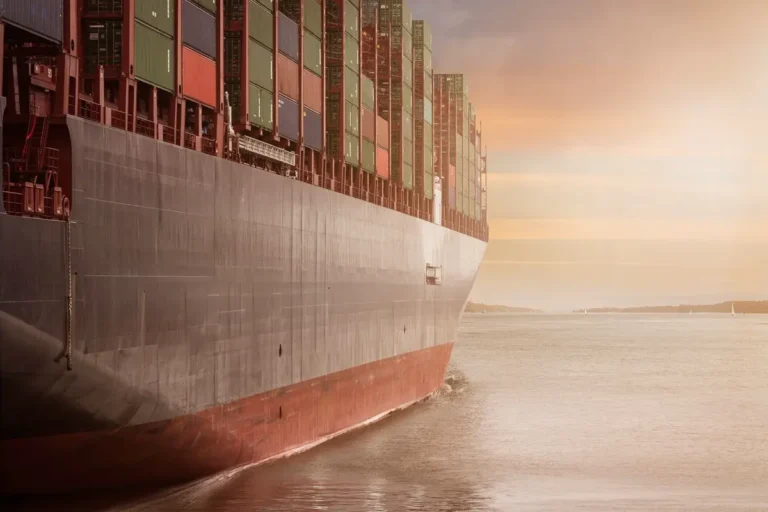
Shipping from China to the Caribbean works almost entirely through transshipment: your containers leave a Chinese port on a mainline vessel, arrive at a regional hub — Kingston in Jamaica, Caucedo in the Dominican Republic, or Colón on the Atlantic side of the Panama Canal — and are transferred to a smaller feeder vessel for the final leg to your island. Port-to-port transit depends on the destination and routing, and on smaller islands the port itself — its draft, its cranes, its container-handling limits — often shapes the shipping plan as much as the cargo does. This is exactly the kind of project FBM Sourcing, your China sourcing partner, is built to handle.
This article covers the logistics mechanics only: routes, transit times, port limitations, why island lanes punish loose freight, multi-island container splits, customs paperwork, export packing, and booking lead times. For the sourcing side — what to buy, from which product categories, and how a China procurement program for an island project is structured — see our Caribbean hotel and resort projects sourcing guide.
- Route structure: China → mainline vessel → regional hub (Kingston / Caucedo / Colón) → feeder vessel → island port. Direct calls at small islands are rare.
- Transit: longer to smaller islands served by feeders than to hub ports, and confirmed by the carrier at booking.
- Container volumes: how much mixed, export-packed project cargo a 40HQ or 20GP takes is set in the load plan.
- Booking: early in normal months, and earlier still in peak season and ahead of hurricane-season cutoffs; the carrier confirms space and cut-off at booking.
- Hurricane season: 1 June to 30 November — plan sailings and site-delivery windows around it.
What Route Does Caribbean Project Cargo Actually Take?
There are two main routings out of China. The first crosses the Pacific and passes through the Panama Canal: the vessel transits the canal and calls at Colón or Manzanillo on the Atlantic side, or continues to Cartagena, Kingston, or Caucedo. The second routing heads west via the Indian Ocean and Suez, serving the Eastern Caribbean from the Atlantic side. Which one your cargo takes depends on the carrier’s network and the destination island, not on anything you choose at booking.
Either way, the structure is the same: the deep-sea leg ends at a hub, and a feeder completes the journey.
The three hubs that matter
Kingston, Jamaica is the main transshipment hub for the Western Caribbean, with berths deep enough for large mainline vessels and feeder connections across the region. Caucedo, Dominican Republic plays the same role for the Eastern Caribbean and the DR itself — with roughly 15 m of draft it receives vessels most island ports never see. Colón / Manzanillo, Panama sits at the canal exit and feeds Central America plus the southern Caribbean arc. If your project is on Jamaica, the DR, or Panama’s coast, your cargo effectively ships “direct” because the hub is the destination. For everyone else — St. Lucia, Barbados, Antigua, the Bahamas’ family islands, Turks and Caicos, the ABC islands — there is a second, shorter voyage on a feeder vessel.
The practical consequence for a project team: your container sits at the hub waiting for its feeder connection, and longer if a sailing is missed. That dwell time is part of every feeder routing below — but it is also the first place a schedule slips when bookings are made late.
How Long Does Freight From China to the Caribbean Take?
How the main routings compare (transit time is confirmed by the carrier at booking):
| Destination | Routing | Transit |
|---|---|---|
| Kingston, Jamaica | Mainline (hub is destination) | Shorter: no feeder leg |
| Caucedo / Rio Haina, Dominican Republic | Mainline (hub is destination) | Shorter: no feeder leg |
| Nassau, Bahamas | Via hub + feeder | Longer: adds a feeder leg |
| Barbados, St. Lucia, Antigua | Via Caucedo/Kingston + feeder | Longer: adds a feeder leg |
| Turks & Caicos, smaller family islands | Via hub + feeder (sometimes barge) | Longest: feeder leg, sometimes a barge |
Two planning rules follow from this. First, quote your site team a range, not a date — a single missed feeder sailing moves arrival by a full sailing cycle. Second, count backwards: from the on-site date, subtract the carrier-confirmed transit and port time to find the sailing date, then the factory-confirmed production time to find when orders must be placed. On a hotel or condo project this arithmetic, not the factory lead time alone, is what determines the procurement calendar. The container count comes from the load plan — our guide on how many containers a hotel FF&E package needs walks through that estimate room by room.
Sourcing this for a commercial project?
FBM Sourcing works with project owners, developers, main contractors and FF&E contractors on hotel, apartment, school, office and other commercial building projects. Send us your BOQ, drawings or product list — our team will review it and get back to you.
Can Your Island’s Port Even Handle the Container You Want to Ship?
This is the question that catches teams who have only shipped to mainland ports. Caribbean port capability varies enormously. The hubs handle anything a mainline carrier sends. But many smaller island ports have shallow berths — drafts under 9-10 m are common in the Eastern Caribbean — no shore gantry cranes (cargo is worked by the vessel’s own gear), and yard equipment that limits what can be lifted and moved.
The practical constraints we plan around:
Container size limits
Some small-island destinations are realistically served only with 20GP containers, because the receiving port’s handling equipment, storage yard, or onward road transport cannot deal with 40-footers. Because a 20GP holds far less than a 40HQ, a package planned in 40HQs becomes many more 20GPs — different loading plans, different paperwork, different trucking on arrival. This must be confirmed before packing design, not after.
Barge and landing-craft transfer
A few destinations — private-island resorts, small cays, ports with no container berth at all — take cargo by barge or landing craft from the nearest hub or sister island. Barge legs add cost, add time, and impose their own weight and dimension limits per lift. If your resort site is on a private island, the barge operator’s limits become the packing specification.
Weight limits on arrival
Even where the port accepts a fully loaded container, island road infrastructure sometimes cannot: bridge limits and truck availability on smaller islands can force lighter stuffing than the container’s rated payload. Tile, stone, and sanitaryware — the heavy end of a building-materials package — are where this bites.
Why Loose Freight Fails on Island Lanes
On mainland trade lanes, loose freight (sharing a container with other shippers) is a routine way to move small orders. On Caribbean island lanes it is a poor fit for project cargo. Those services to smaller islands are thin, consolidation adds handling at both the origin CFS and the hub, and every extra handling event is a damage opportunity for furniture and finished goods. Transit also becomes less predictable, because your cargo waits for the consolidator’s schedule on top of the feeder’s.
Our standing advice for island projects: consolidate to FCL wherever possible, even if that means holding finished goods in the warehouse until enough of the order is ready to fill a container. A sourcing agent consolidating multiple factories’ production into full containers is precisely what makes this workable — individual factories shipping separately would each be stuck with loose freight. How several factories’ production is consolidated into full containers is covered in our full container consolidation guide for building material projects; for the Caribbean, the balance tips further toward FCL than on almost any other lane.
How Do You Split Containers for a Multi-Island Project?
Developers running projects across several islands — a resort brand fitting out properties on two or three islands in one program, or a contractor with parallel sites — should not ship everything to one island and re-export. Inter-island re-shipment means clearing customs twice and paying two sets of port charges.
The cleaner structure is to split at origin: pack each destination’s goods into its own containers in China, book each container to its own final port, and let them ride the same mainline vessel to the hub before separating onto different feeders. This requires discipline in the warehouse — every carton labelled by destination and load plan, every container manifest matched to one island’s customs entry — but it turns one complicated multi-country delivery into several simple single-country ones. Where one island’s volume is genuinely too small for its own container, the workable compromise is usually to route that share through the sister site with the most capable port and barge it across, rather than to mix destinations in one box.
Customs, Documents and Export Packing
Three customs traditions in one sea
The Caribbean is not one customs regime. Independent Anglophone states (Jamaica, Barbados, St. Lucia and most of the Eastern Caribbean) broadly follow CARICOM frameworks with a common external tariff structure. French territories — Martinique, Guadeloupe, St. Barthélemy — are customs territory of the European Union, so imports clear under EU rules. Dutch-linked islands (Curaçao, Aruba, Sint Maarten) and British Overseas Territories (Cayman, Turks & Caicos, BVI) each run their own import regimes. The paperwork set — commercial invoice, packing list, bill of lading, certificate of origin where required — is similar everywhere, but duty rates, concession schemes for hotel developments, and clearance formalities differ island by island, so the destination broker should be appointed before the goods sail, not after they arrive.
Note also that many hotel and resort developments in the region hold government-granted duty concessions on imported construction materials and FF&E — if yours does, the shipping documents must be prepared to match the concession paperwork from the first container.
Packing for a humid, salty, twice-handled voyage
Caribbean project cargo is handled at least twice (origin load, hub transshipment) and spends weeks at sea in tropical humidity. Export packing has to assume condensation and salt air:
- Container desiccant — typically 6-8 kg of hanging desiccant in a 20GP and 10-14 kg in a 40HQ — to control condensation (“container rain”) on furniture and casegoods.
- Stretch film plus corner protection on furniture; five-ply export cartons as the minimum, wooden crating for stone, glass, and large mirrors.
- Hardware, metal components and outdoor furniture frames wrapped with VCI (vapour corrosion inhibitor) film against salt-air corrosion — particularly for goods that will then sit in coastal storage on site.
- ISPM 15 heat-treated timber for all crates and pallets, which every destination in the region expects.
Packing quality is checked when goods are inspected before shipment by our own team, with photo and video records — on island lanes, where replacing a damaged item means another full production and shipping cycle, the packing check matters as much as the product check. And remember that shipping specification and product specification interact: coastal projects should already be buying to the region’s wind-load and corrosion requirements, which we cover separately in our guide to hurricane and impact standards for Caribbean projects.
When Should You Book? Peak Season and the Hurricane Factor
In normal months, book well before the intended sailing to secure space on China-Caribbean routings; the carrier confirms space and cut-off at booking. In peak season — roughly August through October, when pre-holiday volumes squeeze mainline capacity — book earlier still, because hub connections fill first and a missed feeder costs a full sailing cycle.
The Atlantic hurricane season runs 1 June to 30 November. Carriers do not stop sailing, but storms disrupt feeder schedules, close island ports for days, and congest hubs while backlogs clear. For cargo arriving in the September-October window, build slack into the site schedule and avoid having containers sit in an island port yard longer than necessary during peak storm months. Many Caribbean resort projects deliberately schedule main FF&E arrivals for the December-May window — drier, calmer, and aligned with pre-high-season opening dates.
One more structural point: on these lanes the freight forwarder books the vessel, but someone still has to make production, packing, documentation and container stuffing converge on the booking date. That coordination role is distinct from the forwarder’s — we break down who does what in 3PL vs freight forwarder vs sourcing agent.
Get a China Procurement Quote for Your Project
If you are planning a hotel, resort, condominium or mixed-use project in the Caribbean and want the logistics engineered into the procurement plan from day one — container splits by island, port-constraint checks, packing specification, and a sailing schedule that matches your site program — FBM Sourcing manages the full chain as your china sourcing agent, from factory floor to destination port. Submit your drawings, quantities, destination port and timeline, and our team will map the routing and container plan for your project.