Lounge chair sourcing from China for hotel lobbies, resort lounges and clubhouse seating is a different exercise from ordering sofas. A sofa hides its frame and suspension inside upholstery; a lounge chair puts its frame, joinery and leg detail on display, and it usually sits in a public space where guests touch, lean on and photograph it every day. For developers and FF&E buyers, that means the specification sheet has to cover more than fabric grade — it has to cover frame construction, stacking or gang-ganging hardware, outdoor-rated finishes if the piece is going poolside, and a factory that can hold a consistent silhouette across 40, 80 or 200 units without visible variation. This guide walks through what to specify, how to vet a factory for lounge chair production specifically, and what to check before the container is sealed. As your China sourcing partner, FBM Sourcing manages this end-to-end.
Why Lounge Chairs Are Sourced Differently from Sofas
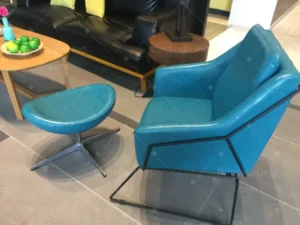
A hotel FF&E package usually treats “soft seating” as one line item, but lounge chairs and sofas are produced on different lines even within the same factory. Sofas are built around a wood or metal frame that disappears under upholstery, foam and a deck. Lounge chairs — especially lobby, bar, and outdoor lounge pieces — often expose the frame material as a design feature: a solid timber leg, a powder-coated tube frame, a rattan or all-weather wicker shell. That exposed structure means finish consistency, joinery quality and frame material grading matter more visually than they do on an enclosed sofa frame.
Frame Material Options and What They Mean for a Project
Solid timber frames (oak, ash, rubberwood) are common for indoor lobby and lounge chairs and need to be kiln-dried to the moisture content stated in the specification and measured at inspection, to avoid joint cracking after container transit and installation in air-conditioned interiors. Powder-coated steel or aluminum tube frames are standard for hotel bar and terrace lounge seating, and the coating needs to be specified by salt-spray hours (ASTM B117 testing standard) if the piece is going anywhere coastal or poolside — with the minimum hours written into the project specification for outdoor-rated work in the Caribbean, Gulf coast or Australian coastal markets. All-weather wicker (HDPE resin wicker) over an aluminum frame is the default for pool and rooftop lounges because it does not absorb moisture or fade at the rate natural rattan does.
Stacking, Ganging and Commercial-Use Hardware
Restaurant and event-space lounge chairs frequently need to stack for storage or gang together in rows for conference and banquet configurations. This requires purpose-built frame geometry and connector hardware that a residential-grade factory typically has not tooled for. If your project needs stacking chairs, confirm the factory has an existing stacking tool for that frame profile — a one-off custom stacking frame adds weeks to the sample cycle and often fails the stack-height test on the first attempt.
How the Sourcing and Vetting Process Works
Lounge chair production in China concentrates in the same Pearl River Delta cluster that produces sofas and casegoods, but the strongest lounge and outdoor seating factories tend to specialize — some run primarily indoor upholstered lounge programs, others run outdoor and all-weather lines almost exclusively. A furniture sourcing agent working a hotel or resort project will typically shortlist factories by their outdoor-rated or indoor-rated specialty rather than treating “lounge chair” as a single category, because the QC criteria and material testing differ between the two.
Sample Approval Before Committing to Production
Because the frame is visible, sample approval on lounge chairs needs a physical sample rather than a rendering sign-off in almost every case. Buyers should check the sample against three things: frame joint tightness (no visible gaps at mortise-and-tenon or welded joints), finish uniformity under natural light (not just factory lighting), and seat/back cushion firmness against the agreed foam density — commercial lounge seating typically specifies 35–45kg/m³ high-resilience foam to hold shape through daily hotel-grade use, noticeably firmer than residential-grade 25–30kg/m³ foam.
Quality Control Before Container Loading
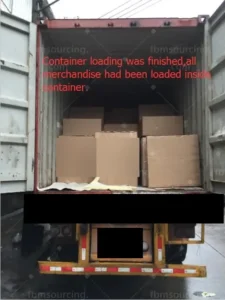
Pre-shipment inspection on a lounge chair order should check frame squareness (the chair should sit flat on all four legs without rocking), weld or joint finish (no sharp edges, no visible gap-filling putty on show surfaces), fabric or wicker weave consistency across the full order quantity, and packaging — lounge chairs with exposed frames need corner protection and often partial disassembly (removable legs or arms) to pack efficiently and avoid frame damage in transit. A qualified furniture sourcing agent will run this inspection against the approved sample before the factory is authorized to load, not after goods arrive at destination.
Sourcing this for a commercial project?
FBM Sourcing works with project owners, developers, main contractors and FF&E contractors on hotel, apartment, school, office and other commercial building projects. Send us your BOQ, drawings or product list — our team will review it and get back to you.
Specifying Lounge Chairs for a Multi-Space Hotel or Resort Project
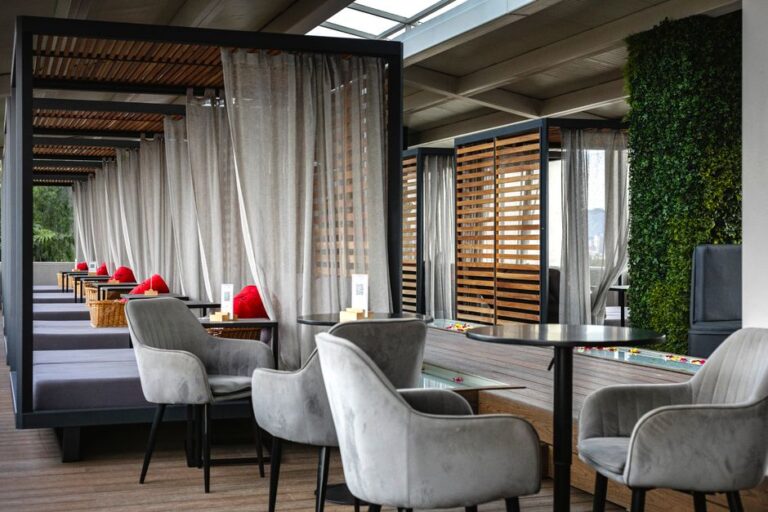
Most hotel and resort projects need lounge chairs across several distinct spaces — lobby, bar, pool deck, rooftop, spa waiting area — and each space usually calls for a different frame and fabric spec even when the design brief wants visual consistency. A practical approach is to group the order by environment (indoor conditioned space vs. covered outdoor vs. full sun/pool exposure) rather than by room type, because that grouping determines the frame material and fabric grade each batch actually needs. This also helps a hotel lobby furniture package stay coordinated with poolside and terrace seating even when the factories producing each batch are different.
For container planning, a standard 40ft high-cube container typically holds 60–90 lounge chairs depending on frame type and whether legs are removable for flat-pack loading — outdoor wicker lounge chairs with fixed frames load at a lower density than knock-down indoor lounge chairs, so confirm the packing plan against your total unit count before finalizing container quantities and shipping timeline.
Matching Lounge Chairs to an Interior Design Package
Design teams frequently specify a lounge chair alongside a coordinated sofa, side table and rug package from the same or a visually matched material palette. When sourcing across two or three factories to fill out a lobby package, request physical fabric and finish swatches from every factory before production, not just the lead factory — dye lot and finish variation between factories producing “the same” walnut stain or the same charcoal linen can be visible once pieces sit next to each other in the finished lobby. A furniture sourcing agent managing multi-factory lobby packages should hold a master swatch set and check every factory’s submission against it before releasing production.
Lead Times for Lounge Chair Orders
Production starts from sample approval and the lead time is confirmed by the factory in writing for each order; outdoor all-weather wicker programs often run longer because the woven shell process is more labor-intensive per unit than upholstered indoor seating. The initial sample and revision round come before production, and ocean freight comes after it, where transit time is confirmed by the carrier at booking. Projects with a fixed opening date should treat lounge and lobby seating as one of the longer lead-time categories in the FF&E package, not an afterthought ordered late because the pieces look simple on paper.
Common Mistakes Buyers Make Sourcing Lounge Chairs from China
Approving a Rendering Instead of a Physical Sample
Because lounge chairs expose their frame, a 3D rendering or factory catalog photo does not reveal joint quality, actual fabric hand-feel, or true color under real lighting. Buyers who skip the physical sample stage to save time routinely discover finish or comfort issues only after the full production run has already been packed — at which point rework means re-opening a completed order rather than adjusting a sample.
Not Specifying Outdoor Rating for Covered-But-Exposed Spaces
A covered terrace or cabana area still exposes lounge chairs to humidity, UV bleed-through, and wind-blown moisture even without direct rain contact. Buyers sometimes specify indoor-grade fabric and frame finish for these “covered outdoor” spaces to save cost, then see premature fading or frame corrosion within a year. Confirm with your design team whether a space is genuinely climate-controlled indoor, covered outdoor, or full-exposure outdoor, and match the fabric and frame spec to the actual environment rather than the nominal room type.
Underestimating Packaging Needs for Exposed-Frame Pieces
Sofas pack relatively safely because the frame is protected by upholstery on all sides. Lounge chairs with exposed timber or metal frame elements need targeted corner and edge protection, and often benefit from partial knock-down packing (removable legs or arms) to avoid frame stress during transit. Confirm the factory’s standard packing method for your specific frame design before finalizing the order, not after a damaged shipment arrives.
FBM Furniture
If your package is mainly public area and restaurant furniture, see public area and restaurant furniture on fbmfurniture.com, the site of FBM Furniture, the furniture sourcing line of FBM Sourcing Limited.
Get a China Procurement Quote for Your Lounge Chair Order
If you are specifying lounge chairs for a hotel lobby, resort pool deck, or commercial lounge project, FBM Sourcing manages factory selection, sample approval, quality control and container consolidation as your sourcing agent in China. Submit your drawings or reference images, unit quantities, destination port and project timeline through our China procurement inquiry page and our team will review your requirements and get back to you.