To vet a Chinese building materials factory, verify five things in order: the business licence and export record, physical production capability, quality system and test certificates, financial and payment hygiene, and references from export projects like yours. A factory that passes all five in documents and in person is a safe counterparty; a factory that fails any one of them is a risk you price in — or walk away from. Here is the checklist we use on the ground before any client order is placed.
Step 1: Verify the Legal Entity and Export Record
- Business licence — pull the registration (Unified Social Credit Code) and check the registered scope covers manufacturing, not just “trading”
- Export licence and customs record — a genuine exporter has shipment history; a factory that “exports through a friend’s company” adds an invisible counterparty
- Name consistency — the company on the quote, the contract, the bank account and the licence must match; mismatches are where deposits disappear
Step 2: Confirm Real Production Capability On Site
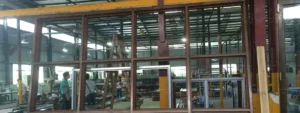
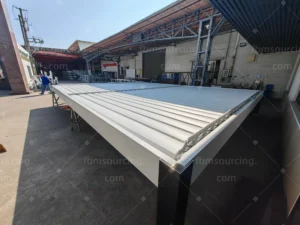
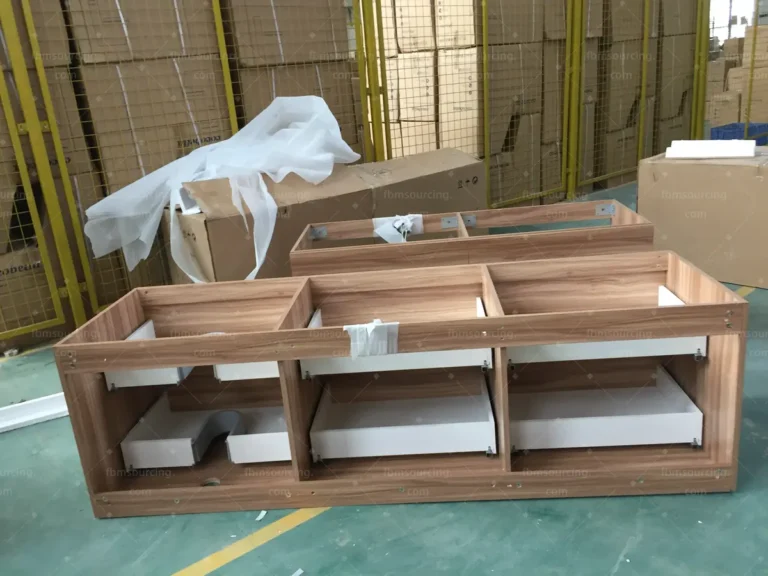
A showroom proves nothing — Foshan is full of beautiful showrooms attached to workshops that outsource everything. On the factory floor we check: production lines actually running your product category, raw material stock matching claimed volumes, in-house tooling for the custom work quoted, and staffing consistent with the promised lead time. If a “window factory” has no machining centre or a “cabinet factory” buys in every carcass, you are dealing with an assembler or a trader — sometimes acceptable, but it must be priced and contracted as such, a distinction we unpack in sourcing agent vs factory direct vs trading company.
Sourcing this for a commercial project?
FBM Sourcing works with project owners, developers, main contractors and FF&E contractors on hotel, apartment, school, office and other commercial building projects. Send us your BOQ, drawings or product list — we’ll come back with a sourcing plan and budget estimate.
Step 3: Audit the Quality System and Certificates
- QC stations — incoming material checks, in-line inspection points, finished goods inspection with written records
- Test certificates — CE/EN reports for windows and doors, CARB/TSCA or E1/E0 for board products, fire ratings where specified — current, from recognised bodies, and matching the exact product quoted (see which certifications to ask for when importing building materials)
- Third-party audit history — factories already audited by QIMA, SGS, Bureau Veritas or major retail buyers keep the reports; ask for them
- Sample discipline — a factory that controls sealed control samples takes production consistency seriously
Step 4: Check Payment Terms and Financial Hygiene
Standard terms in the industry are a 30% deposit with balance against inspection or shipping documents — laid out in is it safe to buy building materials from China. Red flags: requests for payment to personal or third-party accounts, 100% upfront “for a better price”, or a company bank account in a different name than the licence. A legitimate factory never needs any of those.
Step 5: Take References from Export Projects Like Yours
Domestic sales volume does not prove export competence. Ask for two or three completed export projects in your product category and destination region, and verify at least one: packing standard, documentation quality, how claims were handled. A factory that has already shipped apartment-project cabinets to Australia or hurricane-rated windows to the Caribbean has solved problems a domestic-only factory has not yet met.
Should You Run the Audit Yourself or Use an Agent?
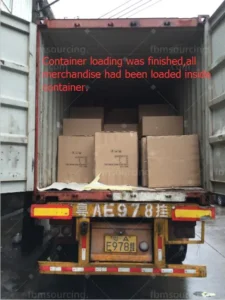
If you are in China with time and Mandarin, run it yourself using this checklist. Most project buyers are not — which is why they either commission a third-party audit (QIMA and SGS both sell standalone factory audits) or work through a buyer-side building material sourcing agent who audits factories continuously and carries the relationship into production QC and shipping. The audit is only step one: value comes from the same party staying accountable through production QC and pre-shipment inspection to the container doors closing.
Get a China Procurement Quote for Your Project
If you have an active project, skip the cold-start audit problem: send drawings, quantities, destination port and timeline through our China building materials and FF&E procurement page, and we will propose pre-audited factories with verified certificates and a QC plan within 3–5 working days.