
Caribbean hotel and resort projects source FF&E and building materials from China by consolidating the full scope — impact-rated windows and doors, tile and stone, sanitary ware, kitchens, joinery, guestroom casegoods and outdoor furniture — under one China sourcing agent and sourcing partner, verifying hurricane and salt-air compliance before production starts, and shipping full or shared containers from Chinese main ports to island ports, usually via transshipment hubs such as Kingston or Caucedo. Ocean transit is long, with transit time confirmed by the carrier at booking, so Caribbean projects sourcing from China plan orders backwards from the construction programme and build attic stock into the original purchase, because replenishing an island site means another full production and shipping cycle. Managed this way, one coordinated supply chain replaces dozens of separate vendors and repeated island customs clearances.
Why Are So Many Caribbean Hotel and Resort Projects Sourcing From China?
A resort is not one purchase; it is forty or more product categories that all have to arrive on an island in the right sequence. Aluminum windows, entry and interior doors, porcelain tile, stone vanities, sanitary ware, kitchen and wardrobe joinery, lighting, guestroom furniture, restaurant seating, pool loungers, door hardware — buying these piecemeal from North American and European distributors means dozens of vendors, dozens of freight bookings and dozens of separate arrivals at a small island port. China is one of the few supply bases where a single procurement programme can cover nearly every one of those categories with export-experienced factories, which is why China building materials and FF&E procurement has become a standard route for Caribbean developers and main contractors rather than an exotic one.
The container math also favours consolidation. A mid-size resort package — casegoods, doors, tile, bathroom fittings, lighting and outdoor furniture combined — runs to multiple containers, with the count set in the load plan by key count and specification level. Filling those containers from one coordinated supply base, instead of part-loading them from scattered origins, directly reduces freight cost per room and the number of customs entries the project has to clear on the island.
For a Caribbean buyer, the supply chain typically looks like this:
- Production: lead time confirmed by the factory in writing for each order, once shop drawings and samples are approved
- Factory QC and loading: inspection and container loading at the factory before shipment
- Ocean transit: confirmed by the carrier at booking, from Chinese main ports to the island
- Transshipment: commonly via Kingston (Jamaica) or Caucedo (Dominican Republic), with feeder vessels onward to smaller islands
- Island clearance and delivery: paced by local port capacity, duty-concession paperwork and site access
What Hurricane and Salt-Air Standards Should Caribbean Projects Specify?
The Caribbean is a hurricane zone with year-round salt exposure, and this is where a China order succeeds or fails at specification stage. Chinese factories can and do build to hurricane-market standards, but only if the RFQ names the standard, the design pressures and the material grades explicitly — a generic “export quality” order will not survive an island procurement review.
Windows, doors and glazing
For openings, the reference points are ASTM E1886 and ASTM E1996 — the impact test method and specification under which a large-missile test fires a nominal 2×4 timber missile of about 9 lb at roughly 50 ft/s at the assembly. Many Caribbean territories, insurers and lender technical advisers also recognise Miami-Dade County Notices of Acceptance (NOA) under the TAS 201/202/203 protocols as the benchmark for hurricane glazing. Your window and door RFQ should state the target standard, the design wind pressures from your engineer, and the laminated glass make-up. We cover the factory side in detail in our guide to impact-rated and hurricane-zone windows from China.
Corrosion resistance near the sea
Salt air is slower than a hurricane but just as expensive. For exterior hardware, balustrades, fasteners and hinges within coastal exposure, specify grade 316 stainless steel — its molybdenum content gives materially better chloride resistance than the 304 grade factories will quote by default. Coated aluminum and steel components should carry salt-spray test evidence to ASTM B117, for the duration set in the project specification for beachfront exposure. These are line items a building material sourcing agent locks into the technical annex of each purchase order, not assumptions.
Outdoor FF&E in a humid tropical climate
Pool and terrace furniture takes the harshest duty in the building: UV, salt, rain and high humidity. Specify solution-dyed acrylic outdoor fabrics rather than printed polyester, HDPE (not PVC) synthetic weave, and powder-coated aluminum or genuine teak frames. Cushion cores should be quick-dry reticulated foam so pieces recover between rain and use cycles instead of holding water and mildewing.
How Long Does Shipping From China to the Caribbean Take?
Port-to-port shipping time from China to the Caribbean is confirmed by the carrier at booking. Cargo moves on main-line services from ports such as Shenzhen, Nansha (Guangzhou), Shanghai or Ningbo to a Caribbean basin hub — most commonly Kingston in Jamaica or Caucedo in the Dominican Republic, with Cartagena and the Panama terminals also in play — and then transfers to smaller feeder vessels for the final leg to individual islands.
Two practical notes on routing. First, hub choice is usually the carrier’s decision, but which hub your cargo transits affects the feeder options available for your specific island, so it is worth confirming the routing at booking rather than discovering it from the tracking page. Second, hurricane season itself — June through November — can disrupt both hub operations and feeder schedules, which argues for building slack into deliveries scheduled across those months.
That feeder leg is where planning discipline matters. Feeder sailings to smaller islands run on their own schedules, so a missed connection at the hub adds time on its own. Island ports also have physical limits: shallower drafts, limited crane capacity — some terminals still rely on ship’s gear — and restricted yard space. Oversized crates such as lobby stone slabs or long curtain-wall units need to be confirmed against local lifting capacity before booking, not after arrival. The final drayage to site is usually short in distance but constrained by island roads and crane availability, so delivery windows should be agreed with the site team in advance. For a fuller schedule breakdown by product category, see how long it takes to source and ship building materials from China.
Sourcing this for a commercial project?
FBM Sourcing works with project owners, developers, main contractors and FF&E contractors on hotel, apartment, school, office and other commercial building projects. Send us your BOQ, drawings or product list — our team will review it and get back to you.
Full Container, Shared Container, or Both? Container Strategy for Island Projects
On the mainland, how you fill containers is a cost question. On an island, it is also a customs question, because every container arrival can mean another clearance event, another broker touch and another port storage clock. The strategy that works for Caribbean hotel FF&E procurement is to consolidate multiple categories into shared full containers organised around the construction sequence — for example, containers packed by guestroom floor or by phase, each carrying the tile, doors, joinery, casegoods and hardware that zone needs — so the project clears one entry per container instead of fragmenting into loose shipments. Loose freight into small islands is slow, handling-heavy and hard on finished goods; project cargo overwhelmingly moves better as FCL. On a luxury resort project in the Cayman Islands we supplied, combining tile, doors, wardrobes and outdoor furniture into shared containers meant each arrival cleared customs once and unpacked in construction order, rather than the site juggling separate part-shipments. Planning the split starts with volume, and our guide to how many containers a hotel FF&E package needs walks through the math by room count.
Attic stock deserves more respect on an island than almost anywhere else. A replacement order that would be a minor nuisance for a mainland hotel takes a full production, ocean transit, transshipment and clearance cycle for a Caribbean property. That is why island projects typically order a larger attic stock allowance by category than mainland projects — more for tile and stone, where breakage and dye-lot matching are unforgiving; spare upholstery fabric yardage; plus touch-up kits, spare hardware and spare casters for casegoods and seating. The right allowance is a category-by-category decision, and we break it down in how much attic stock to order for hotel FF&E.
What Documents and Customs Steps Do Caribbean Imports Need?
Every China project shipment travels with a core document set: the bill of lading, the commercial invoice, the packing list and, where the destination requires it, a certificate of origin. HS codes are harmonised internationally at the 6-digit level, with each island’s tariff schedule extending its own digits beyond that, so classification needs to be checked against the destination’s schedule — not assumed from the Chinese export code. CARICOM member states apply the bloc’s Common External Tariff to goods from non-member countries, which is one more reason accurate classification matters before the budget is locked.
Timing matters as much as accuracy. Documents should be assembled and checked while the cargo is still on the water, not after arrival — on a long ocean transit there is time to pre-clear paperwork with the island broker, and a shipment that arrives with a clean, reconciled document set moves through the port instead of sitting in it accruing storage charges.
Just as important for hotel and resort work: many Caribbean jurisdictions operate tourism-incentive or hotel-development concession regimes that can reduce or waive import duty for approved projects. Those concessions are only as good as the paperwork — customs will reconcile the approved list against the commercial invoice and packing list, so invoices and per-container packing lists broken out by room type and category are worth insisting on from day one. For the full document set and who issues what, see what shipping and customs documents come with a China project order.
How Does a Sourcing Agent Hold a Caribbean Project Together?
A resort order touches dozens of factories across multiple Chinese regions, and no island-based project team can supervise that spread remotely. This is the core case for a china sourcing agent on Caribbean work: one contract counterpart who matches specifications and samples against the approved design, manages production across every category, consolidates cargo into the container plan, and prepares the document set the island broker needs. FBM Sourcing works as a furniture and building material sourcing agent: for suppliers you nominate, we charge a 5% commission; for products we source for you, we quote a direct price. Either way, one service covers sourcing, coordination, quality control and shipment management.
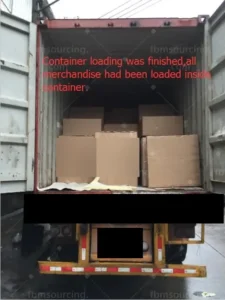
On quality: One inspection is carried out by FBM Sourcing’s own team at the factory once bulk production is finished, before shipment, with photo and video records delivered to the client. For an owner or contractor several time zones away, that record set — measurements, finishes, packing photos, loading video — is what turns a distant factory floor into something the project can verify before the goods are on the water.
For the furniture package specifically — casegoods, seating, outdoor pieces and the evidence to request from each supplier type — see hotel furniture manufacturers in China for Caribbean resort projects.
Get a China Procurement Quote for Your Project
If you are developing or building a hotel, resort, condominium, restaurant or mixed-use project in the Caribbean, send us your drawings, BOQ or product list with quantities, your destination port and your construction timeline, and our team will review the package and come back with a sourcing plan covering specification, container strategy and shipping. With a long ocean transit plus production ahead of it, the best time to start procurement planning is when the design is being finalised — not when the site is waiting. FBM Sourcing works with commercial projects — owners, developers, main contractors and FF&E contractors — rather than retail or single-home orders. Reach us through the quote form or WhatsApp above and tell us where your project is and when it needs to open. For the envelope side of a coastal project, see which hurricane and impact standards to specify on Caribbean projects.
For the logistics leg itself — routes, transshipment hubs, transit times and island port limits — see our guide to shipping from China to the Caribbean.