On a hotel project the bathtub decision is settled by three things that never appear in a product photograph: how much the tub weighs once it is filled and occupied, whether a scratch can be repaired in an occupied hotel without taking the room out of service for a week, and how many units survive the container. Acrylic wins most hotel specifications on all three. Cast iron and solid surface are specified where the room type justifies their particular advantages — and the cost and structural consequences that come with them.
This page compares the three materials on the axes that change a hotel specification, and adds enamelled pressed steel, which is a common fourth option that project buyers often meet at tender. For the supplier landscape behind these products, see our page on bathtub manufacturers in China for hotel and resort projects.
How do the four materials actually compare?
Acrylic (sanitary-grade sheet with reinforced backing)
A vacuum-formed sanitary acrylic sheet with a fibreglass or composite reinforcing layer bonded to the back. This is the default for hotel guest bathrooms, and for good reasons.
- Weight: the lightest of the four. Easiest on floor loading, easiest to carry up a service lift, easiest to install.
- Heat retention: good — acrylic is a poor conductor, so the water stays warm longer than in an uninsulated metal tub.
- Repairability: the decisive advantage. Surface scratches and small chips can be polished or filled in place. A room can go back into service the same day.
- Noise: quiet in use, though a thin, under-reinforced tub will flex underfoot — which is what most guest complaints about “cheap” tubs are actually describing.
- Cost and freight: the lowest of the four, and the most forgiving in a container.
- Watch for: sheet thickness and the reinforcement build-up. This is where suppliers cut cost invisibly. Specify the acrylic sheet thickness and the reinforcement layers, and stand on a sample before approving it.
Cast iron with porcelain enamel
A cast iron body with a fired vitreous enamel surface. The most durable finish available and the heaviest product by a wide margin.
- Weight: very heavy empty, and dramatically heavier filled and occupied. On any floor above ground this has to be checked against the structural design, not assumed. It also affects lift access, floor protection during installation, and installation labour.
- Heat retention: the enamel surface feels cold on entry because the iron mass absorbs heat, then holds temperature well once warmed.
- Repairability: poor. Enamel chips cannot be invisibly repaired in place; a chipped tub is usually a replacement, which in an occupied hotel is a significant operation.
- Cost and freight: the highest freight cost per unit, and containers reach their weight limit long before their volume limit. Enamel chipping in transit is a real and recurring risk that has to be engineered out in the crate design.
- Specify it for: heritage properties, signature suites, and long-life apartment or serviced-residence assets where the replacement cycle matters more than first cost.
Sourcing this for a commercial project?
FBM Sourcing works with project owners, developers, main contractors and FF&E contractors on hotel, apartment, school, office and other commercial building projects. Send us your BOQ, drawings or product list — our team will review it and get back to you.
Solid surface (mineral-filled composite)
A cast composite of mineral filler in an acrylic or polyester resin matrix. This is the freestanding sculptural tub in a suite photograph.
- Weight: between acrylic and cast iron, and heavier than most people expect — a large freestanding solid surface tub still needs a structural check.
- Heat retention: the best of the four; the mass and low conductivity hold temperature well.
- Repairability: the second decisive advantage after acrylic. Because the material is homogeneous through its thickness rather than a surface layer over a substrate, scratches and even deeper damage can be sanded and re-polished in place. Damage does not expose a different material underneath.
- Cost: high, and the finish quality varies enormously between suppliers. Matt finishes stain more readily than gloss and need a defined cleaning regime handed to housekeeping.
- Specify it for: suites and spa rooms where the tub is a design feature, and where the operator will maintain it properly.
Enamelled pressed steel
A pressed steel shell with fired enamel — effectively a lighter, cheaper relative of cast iron.
- Weight: much lighter than cast iron, heavier than acrylic.
- Heat retention: poor without an insulation pack; the thin steel shell loses heat quickly.
- Noise: loud in use unless sound-deadening pads are specified. This is a genuine guest complaint issue in adjoining rooms.
- Repairability: as poor as cast iron — enamel chips are not repairable in place.
- Specify it for: budget and mid-market room types where enamel durability is wanted at a lower weight and cost than cast iron, with insulation and sound-deadening specified explicitly rather than assumed.
Which material should a hotel project actually specify?
A useful default, then the exceptions:
- Standard guest rooms, any tier: acrylic with a properly specified sheet thickness and reinforcement. The in-place repairability alone justifies it over the asset’s life.
- Suites and spa rooms: solid surface freestanding, where the design intent calls for it and the operator can maintain the finish.
- Heritage properties and long-hold residential assets: cast iron, with the floor loading checked and the freight and installation cost budgeted honestly.
- Budget and limited-service brands: acrylic, or enamelled steel with insulation and sound-deadening specified.
- Modular and pod construction: weight is a hard constraint, so acrylic is effectively the only option — see prefabricated bathroom pod manufacturers.
One point that gets missed: mixing materials across room types in the same property is normal and sensible, but it means two suppliers, two sets of test evidence and two crating specifications. Decide it at schedule stage, not at shop drawing stage.
What certifications and evidence apply to bathtubs?
Bathtubs sit inside the plumbing fixture regime, so the applicable scheme depends on the destination market:
- United States and Canada — plastic bathtubs are normally certified to ANSI Z124.1.2, evidenced through a cUPC or UPC listing from IAPMO. Where ADA applies to accessible room types, the fixture and grab bar arrangement have to comply.
- Australia and New Zealand — WaterMark certification where the product falls within the scheme’s scope, together with the relevant AS/NZS product standard.
- Europe and the UK — EN 198 for acrylic baths and EN 232 for bath dimensional requirements, with CE or UKCA marking as applicable.
- Slip resistance — check whether the specification calls for an anti-slip base and to what test. A textured base is a different mould, not a coating added later.
The same two questions apply as to any certificate: is your exact model number on the schedule attached to the certificate, and is the certificate current. Our sanitary ware certifications guide covers cUPC, WaterMark, WRAS and CE in detail.
What should be in the bathtub package sent to quote?
- Material, and for acrylic the sheet thickness and reinforcement specification.
- Overall dimensions, internal bathing dimensions and water capacity to overflow.
- Drain and overflow position — left, right or centre — and whether waste and overflow sets are included.
- Installation type: drop-in, alcove with integral apron and tiling flange, or freestanding.
- Whether the apron is supplied, and in what finish.
- Tap hole configuration, or confirmation that the tub is undrilled and the tapware is wall or floor mounted. This has to align with the tapware package.
- Anti-slip base requirement.
- Support frame or feet, and levelling arrangement.
- The certification scheme required, named explicitly.
- Crating specification, which is where the breakage rate is actually decided.
Our sanitary ware brief checklist sets out the full bathroom package, and bathtubs sourcing from China covers how the category is handled on a project order.
Why does crating matter more than it should?
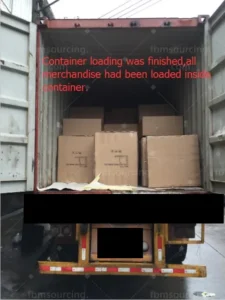
Bathtubs are large, awkward and easily damaged, and the damage does not appear until the crate is opened on site — often months after the factory has been paid. Acrylic tubs mainly suffer corner impact and flexing damage; enamelled tubs suffer chips that cannot be repaired. On any bathtub order the crating design, the corner protection and the stacking rule deserve as much attention in the purchase order as the product specification, and they should be verified at pre-shipment inspection rather than described in an email.
Sourcing this for a commercial project?
FBM Sourcing works with project owners, developers, main contractors and FF&E contractors on hotel, apartment, school, office and other commercial building projects. Send us your BOQ, drawings or product list — our team will review it and get back to you.
Frequently asked questions
Which bathtub material do most hotels use?
Acrylic, for standard guest rooms across every tier. It is the lightest option, it retains heat well, and critically its surface can be repaired in place — a scratched acrylic tub can be polished and the room returned to service the same day, where a chipped enamel tub usually has to be replaced.
Are cast iron bathtubs too heavy for hotel projects?
Not automatically, but the loading has to be checked against the structural design rather than assumed, particularly above ground floor level. The weight also affects lift access, floor protection, installation labour and container weight limits. Cast iron is normally reserved for heritage properties, signature suites and long-hold residential assets.
Can a solid surface bathtub be repaired if it is scratched?
Yes. Solid surface is homogeneous through its thickness rather than a surface layer over a substrate, so scratches and deeper damage can be sanded and re-polished in place without exposing a different material underneath. That repairability is a large part of why it is specified for suites.
What is the difference between an acrylic and an enamelled steel bathtub?
Acrylic is a formed plastic sheet with a reinforced backing: lighter, warmer to the touch, quieter, and repairable in place. Enamelled steel is a pressed steel shell with fired enamel: a harder surface, but poor heat retention without an insulation pack, noticeably louder in use without sound-deadening, and not repairable in place if chipped.
How do I stop bathtubs arriving damaged from China?
Treat the crating specification as part of the purchase order rather than as the factory’s business. Specify corner protection, the stacking rule and the crate construction, then verify it at pre-shipment inspection. Enamelled products in particular need protection designed around chip risk, because a chip cannot be repaired on site.
Should the bathtub be supplied undrilled?
It depends on where the tapware sits. If the taps are wall or floor mounted, the tub should be undrilled; if deck mounted, the tap hole configuration and spacing must match the tapware. This alignment between the tub schedule and the tapware schedule is one of the most common late-stage clashes on a bathroom package.
About FBM Sourcing
FBM Sourcing is a China procurement partner for commercial building projects. We manage the entire China procurement package for project owners, developers, main contractors and FF&E contractors — supplier selection, technical review against your specification, order management, pre-shipment quality control and full-container consolidation. Bathrooms are one of the packages where we align the ceramic, tapware and bathtub schedules against each other before an order is placed, and where crating is verified at pre-shipment inspection.
If you have a project package to price, start here: China building materials and FF&E procurement.