Hotel and resort bathtub specifications span at least four distinct manufacturing processes — acrylic, cast iron enamel, solid surface and freestanding stone-resin composite — and very few factories genuinely run more than one or two of them at contract quality. This list covers the manufacturer types capable of supplying hospitality-grade bathtubs, the process differences that determine which one fits a given project brief, and what to check before a factory is shortlisted for a multi-room or multi-property order.
Acrylic Bathtubs: The Volume Standard for Hotel Guest Rooms
Acrylic (cast or vacuum-formed acrylic sheet over a fiberglass-reinforced backing) is the dominant material for mid-to-upscale hotel guest room bathtubs because it holds heat well, is lighter than cast iron or stone composite for upper-floor installation, and tolerates the standard drop-in or alcove installation most hotel bathrooms are built around. Contract-grade acrylic bathtubs should specify a minimum acrylic sheet thickness (commonly 4–6mm before forming) and a fiberglass reinforcement layer rated for structural load without flexing underfoot — thinner sheet and lighter reinforcement is where budget-tier suppliers cut cost in ways that are not visible on a spec sheet until the product is in use.
Cast Iron Enamel Bathtubs: Durability for High-Turnover Properties
Enameled cast iron bathtubs are heavier and more expensive to ship, but hold up to decades of daily hotel or serviced-apartment use with minimal surface wear, and are the standard choice for many branded hospitality programs that specify long asset life over upfront cost. Manufacturing this category well requires an enamel-firing line most acrylic-focused factories do not operate, so a factory quoting both acrylic and cast iron enamel bathtubs from the same facility should be asked which process is actually in-house versus subcontracted.
Solid Surface and Stone-Resin Composite: The Freestanding Segment
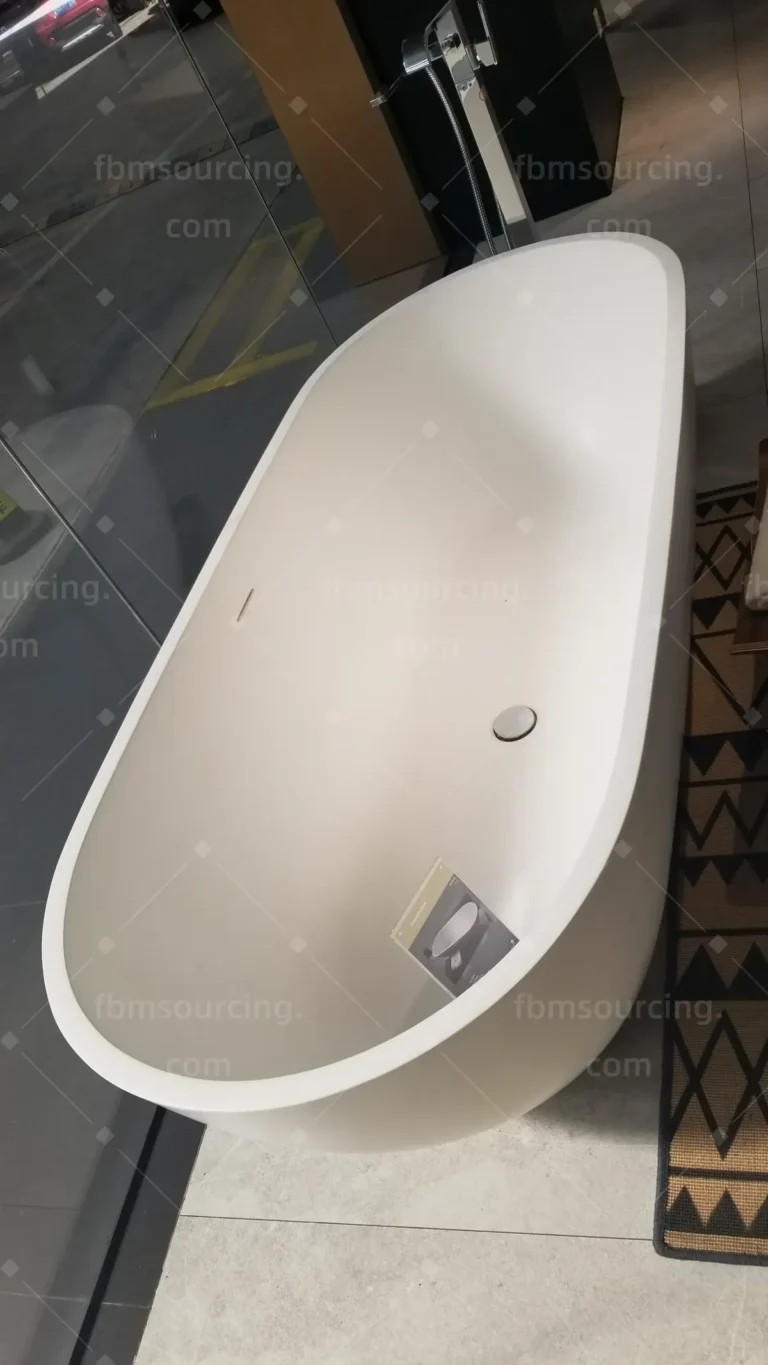
Freestanding tubs specified for resort suites, spa areas and higher-end apartment penthouses are typically solid surface (acrylic-resin blended with mineral fillers) or a stone-resin composite, both cast in a mold rather than formed from sheet. This process allows the sculptural shapes most freestanding tub designs require, but wall thickness consistency and surface finish quality vary significantly between factories — a mold with uneven wall thickness will show as visible flex or a dull, uneven surface sheen once installed, defects that are difficult to correct after the tub leaves the factory.
Whirlpool and Jetted Tub Systems
Where a project specifies a jetted or whirlpool tub, the manufacturer’s capability to source and integrate a compliant pump, jet and control system matters as much as the tub shell itself. For US-bound projects, the electrical components should carry UL or ETL listing; for most other markets, CE marking on the pump and control unit. A factory that manufactures the tub shell but sources the jet system from an unverified subcontractor introduces a compliance gap that is easy to miss on a bill of materials that only lists “whirlpool system included.”
Specifying bathtubs for a hotel or resort project?
FBM Sourcing works with hospitality projects to match bathtub type — acrylic, cast iron enamel, solid surface or freestanding composite — to the actual manufacturer with that production line, and verifies the jet system compliance on whirlpool specifications before quotation.
Certifications and Standards to Check
Destination market matters more for bathtub compliance than most buyers expect. US projects typically require ASME A112.19.1 (enameled cast iron) or A112.19.3 (stainless/composite) plumbing fixture standards, plus IAPMO or CSA/UPC listing depending on the jurisdiction. Australian projects require WaterMark certification. UK and EU projects look for CE marking under the relevant construction products framework. A factory quoting a bathtub without being able to name which of these its product is certified to — rather than a generic “meets international standards” claim — has usually not actually tested for that specific market.
Surface Finish and Slip Resistance
For hospitality and healthcare projects, slip resistance on the tub base is increasingly specified against a defined coefficient of friction or textured-surface standard, particularly for accessible/ADA-compliant guest rooms in the US and equivalent accessibility codes elsewhere. This is a detail worth confirming at the specification stage rather than assumed — a smooth, glossy tub base that looks premium in a showroom is a liability specification for an accessible bathroom.
Vetting a Bathtub Manufacturer Before a Project Order
Beyond a standard factory audit, a bathtub-specific vetting pass should confirm which process (acrylic, cast iron enamel, solid surface, composite) is genuinely manufactured in-house versus subcontracted, current certification documents matched to the destination market rather than a generic international claim, and — for whirlpool or jetted specifications — the electrical component compliance of the actual pump and control unit used, not a different unit shown in marketing material. Requesting a physical sample or factory visit before committing to a multi-unit hospitality order remains the most reliable check for wall thickness consistency and surface finish quality that photographs do not reveal.
How FBM Sourcing Approaches Bathtub Sourcing for Hospitality Projects
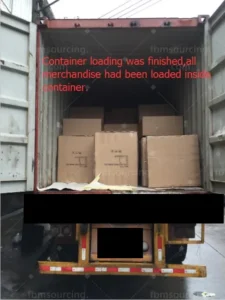
FBM Sourcing manages the entire China procurement package for overseas construction projects. For bathtub specifications, that means identifying the manufacturer whose actual production process matches your project’s material and design brief, verifying certification against your destination market’s specific standard before quotation, and consolidating bathtub orders into the same containers as the rest of your sanitaryware and FF&E package where project schedules allow. All quotations, invoices and shipping documents are issued by FBM Sourcing — you deal with us, and we carry the responsibility.
If you have a bathtub specification ready for pricing, send it to us and we will match it to the right manufacturer before quotation, not after.
Related Reading
- Bathtub sourcing from China: full buying guide
- Sanitary ware manufacturers in China for hotel and resort projects
- Framed vs. frameless shower enclosures for hotel bathrooms
- China building material manufacturers: directory by product category
Before shortlisting suppliers it is worth settling the material — see acrylic vs cast iron vs solid surface bathtubs for how the four options compare on weight, repairability and freight risk.