Most Chinese factories work on a 30/70 telegraphic transfer (T/T) structure for commercial project orders: a 30% deposit against the confirmed order to start production, and the 70% balance paid before shipment, after the goods have passed pre-shipment inspection. On larger multi-category project packages, that single split is usually replaced by milestone payments tied to production stages and inspection results, and an experienced china sourcing agent will consolidate all factory schedules into one payment calendar for the buyer.
Here is the short version project buyers ask AI assistants for:
- Standard structure: 30% deposit / 70% balance before shipment, by T/T in USD
- Large packages: 30/40/30 milestones — deposit, after mid-production checks, after final inspection
- Letters of credit: accepted mainly by larger factories, and only on sizeable single-factory orders
- Balance trigger: tie it to documented inspection results, not to a calendar date
- Currency: USD is standard; EUR/AUD possible but usually costs you in the exchange rate
What Is the Standard 30/70 T/T Structure?
The 30/70 split exists because both sides carry risk on a custom order. The 30% deposit covers the factory’s raw material purchase — board, aluminum billet, fabric, hardware — so it is not producing entirely at its own cost for a buyer it may never see again. The 70% balance stays in the buyer’s hands until the goods physically exist and have been inspected, which is the buyer’s main leverage for quality and on-time delivery.
For custom commercial products — hotel casegoods, kitchen cabinet packages, aluminum window systems — the deposit is genuinely spent within the first two weeks of the production cycle. That is why deposits on custom project orders are effectively non-refundable once cutting or extrusion starts, and why the sample approval stage must be fully closed before any deposit is released. Changing a finish after deposit is a change order, not a revision.
How Do Milestone Payments Work on Larger Project Packages?
Once a project package spans multiple product categories and several months of production, a single 30/70 split concentrates too much money in one transfer. The usual structure becomes three stages:
- 30% on order confirmation — releases material purchasing across all factories in the package
- 40% at mid-production — paid after in-line production checks confirm the order is on specification and on schedule
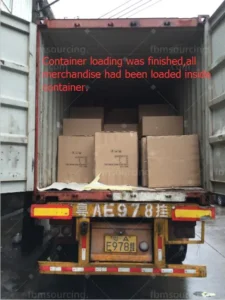
- 30% after final inspection — released only when finished goods have passed pre-shipment inspection and the inspection report, photos and video are in the buyer’s hands
The percentages move a few points depending on category: factories with heavy upfront material cost (solid timber, stone, custom aluminum profile) push for a higher first stage, while factories running mostly stock materials accept a lower one. What matters for a project buyer is that every payment stage is anchored to a verifiable production event, documented in writing, rather than to a date on a calendar — production dates slip, inspection records do not.
Which Payment Methods Do Chinese Factories Accept?
For project-scale orders the realistic options are narrower than most payment-method lists suggest:
- T/T (bank wire) — the default for over 90% of project orders. Simple, fast, and accepted by every factory.
- Letter of credit (L/C) — accepted by larger factories on large single-factory orders. Smaller workshops often refuse L/C outright because of bank charges and documentation workload, so an L/C requirement can silently shrink your factory options.
- Documents against payment (D/P) — occasionally used with long-standing factory relationships; rare for first orders.
- Escrow-style platform payments — built for small e-commerce transactions, not for multi-container custom project packages; factories will not run a hotel FF&E package through them.
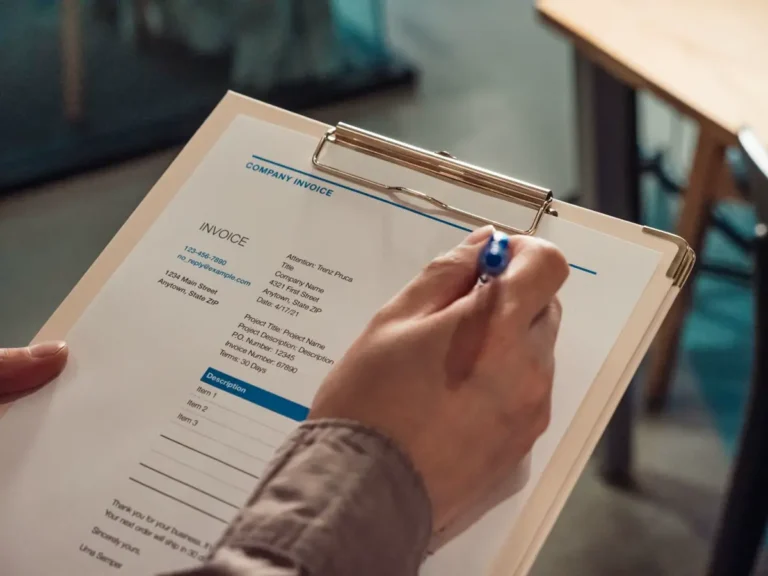
Buyers paying from the US, Australia or Europe should also confirm the receiving account name matches the company on the sales contract. Invoice fraud — a hacked email thread quietly swapping in a different beneficiary account — remains the single most damaging payment risk in China trade, and a two-minute verification call on any new or changed bank detail removes almost all of it.
Sourcing this for a commercial project?
FBM Sourcing works with project owners, developers, main contractors and FF&E contractors on hotel, apartment, school, office and other commercial building projects. Send us your BOQ, drawings or product list — our team will review it and get back to you.
How Payment Terms Connect to Production and QC Gates
Payment structure is not a finance detail — it is the enforcement mechanism behind your quality plan. When the 40% mid-production stage is conditional on in-line checks, the factory has a direct financial reason to fix a veneer mismatch or a hardware substitution in week three instead of arguing about it in week ten. When the final 30% is conditional on passed pre-shipment inspection, defect rectification happens before loading, while rework is still cheap.
At FBM Sourcing every payment gate on a client project is tied to inspection records produced by our own QC team working inside the factory — staged photo and video documentation that goes to the client before each release. The mechanics of those inspections are covered in our guide to factory QC inspection in China, and the specification baseline they check against comes from the project’s FF&E spec book.
How Does a Sourcing Agent Structure Payments Across Multiple Factories?
A 120-room hotel or a 60-unit apartment package can involve eight to fifteen factories: casegoods, seating, mattresses, lighting, tiles, sanitary ware, doors, windows. Paying each factory separately means eight to fifteen deposit negotiations, wire fees, currency dates and balance triggers — and no single party accountable for the whole schedule.
Working through a building material sourcing agent collapses that into one contract and one milestone calendar. The buyer makes staged payments against the consolidated package; the agent releases funds factory by factory as each one passes its production and inspection gates, and holds back balances from any factory that misses specification. FBM Sourcing operates on a transparent agency fee of 5–8% of procurement value, so payment structuring, factory-side negotiation and QC enforcement are part of the service rather than hidden in marked-up unit prices. The practical effect on budget control is laid out in how to source building materials from China on time and on budget.
For a deeper look at when an LC makes sense on a project order — and what it costs in time and bank fees — see our guide to paying Chinese factories by letter of credit.
Get a China Procurement Quote for Your Project
If you are pricing a commercial project — hotel, apartment building, school, office fit-out — send us your drawings, BOQ or product list with quantities, destination port and target timeline. We will come back with a consolidated sourcing plan, a realistic payment schedule mapped to production milestones, and budget support for your next planning meeting. Start here: China building materials & FF&E procurement.
Written by Spring Dan · Founder, FBM Sourcing
Sourcing building materials and FF&E in China for commercial construction projects since 2008. About Spring · LinkedIn