Pre-shipment inspection is a final quality check carried out after production is complete and goods are packed, but before they are loaded for shipment; AQL (Acceptable Quality Limit) sampling is the statistical method used to decide how many units from the batch must be checked, and how many defects are allowed before the batch fails. Together they are the last checkpoint before a project buyer’s money is released and the goods leave the factory. This is the kind of scope a sourcing partner such as FBM Sourcing takes on.
What AQL Sampling Actually Means
Rather than inspecting every single unit in a production run — impractical for orders of hundreds or thousands of pieces — AQL sampling uses statistical sampling tables (most commonly ANSI/ASQ Z1.4, also referenced as ISO 2859-1) to determine a representative sample size based on total batch quantity, and sets defect thresholds across three severity levels: critical, major and minor. A batch passes if the number of defects found in the sample falls within the accepted limit for that severity level; it fails if defects exceed the limit, triggering rework or renegotiation before shipment.
Key Facts on AQL Levels
- Critical defects (AQL 0): Zero tolerance — safety hazards, non-functional items, or defects that violate regulations. Any critical defect found fails the batch.
- Major defects (AQL 2.5 typical): Defects that affect usability or salability — visible finish flaws, incorrect dimensions, missing hardware. A small number is tolerated depending on batch size.
- Minor defects (AQL 4.0 typical): Cosmetic issues unlikely to affect function or sale — small colour variation, minor packaging marks. A higher number is tolerated.
- Sample size: Determined by batch quantity using standard AQL tables — for example, a batch of 500–1,200 units typically requires an 80-unit sample under Level II inspection.
Sourcing this for a commercial project?
FBM Sourcing works with project owners, developers, main contractors and FF&E contractors on hotel, apartment, school, office and other commercial building projects. Send us your BOQ, drawings or product list — our team will review it and get back to you.
What Happens During a Pre-Shipment Inspection?
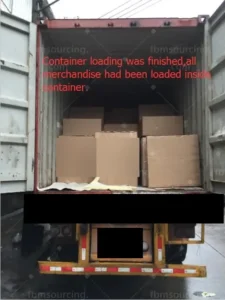
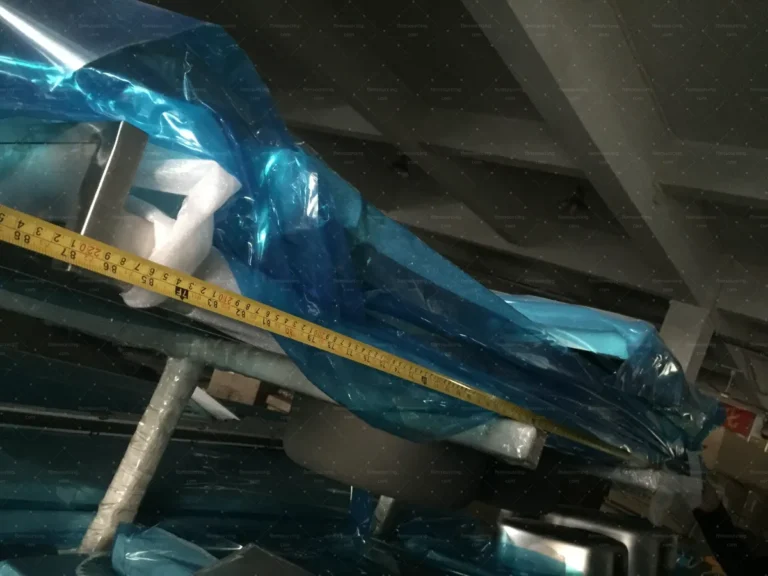
The inspection covers on-site quantity verification against the packing list, function and workmanship checks against the approved sample or specification, dimension and material verification, and packaging and labelling checks (carton strength, correct labelling, no factory branding on export cartons where required). The sample selected follows AQL tables — the inspector does not choose favourable-looking units, but pulls from the batch according to the sampling plan.
Why Does This Matter for Building Material and Furniture Buyers?
For project-scale orders — a container of tiles, a batch of cabinet doors, a run of hotel furniture — pre-shipment inspection with AQL sampling is the difference between discovering a defect rate on 80 sampled units in China, where rework is a production-line fix, and discovering it on-site months later, where replacement means a new production run and a stalled installation schedule. This is why we inspect once bulk production is finished rather than relying on a factory’s completion report: anything below standard is recorded in the report before the goods ship.
How FBM Sourcing Runs Pre-Shipment Inspection
Our QC team applies AQL Level II sampling as standard for project orders, with critical defect zero-tolerance across every batch.
Get a Quote for Your Project
Send us your drawings, quantities and destination port, and our team will review it and get back to you about your China procurement project. See AQL-standard inspection applied across a real order in our villa building materials case study.
If you would rather not manage factories directly, FBM Sourcing acts as your china sourcing agent: sourcing, quality checks at the factory and consolidated shipping in one engagement.