Fire-resistant doors manufacture in China at a scale no other market matches — and certification is the question that stops more of those orders than price ever does. Buyers in the US and Australia know their inspectors will check labels, and everyone has heard the story about a container of unlabeled doors that could not be installed. The good news: certified fire-rated doors are sourced from China successfully, but only through factories holding the right listings, with paperwork verified before deposit. Below are the questions contractors and developers actually ask us as a building material sourcing agent and sourcing partner, answered the way we answer them on real projects.
Which Certification Do I Need for a US Project?
The critical word is assembly: the leaf, frame, hardware and glazing are listed together. A certified leaf hung in an uncertified frame is an uncertified opening.
What About Australian Projects?
Australian projects reference AS 1905.1 for fire doorsets, with fire-resistance levels (FRL) expressed as ratings like -/60/30, tested to AS 1530.4. Compliance evidence typically means a test report or assessment from a NATA-accredited or recognized body covering the doorset as supplied. Fewer Chinese factories hold Australian evidence than UL listings, which makes factory selection narrower — and makes it more important to confirm documentation before committing, not after. Where a factory holds strong international listings but no Australian evidence, the path is an engineering assessment through an Australian fire engineer, which takes time and should be priced into the program.
How Do I Verify a Factory’s Certificate Is Real and Current?
Three checks, all fast. Second, match the listing scope to the quotation: rating duration, leaf construction, maximum sizes, glazing options. A factory listed for 90-minute flush steel doors is not listed for the vision-panel timber doors it also sells. Third, confirm labeling: physical, permanent labels on leaf and frame, applied at the factory. We run these checks during factory audit as part of fire-rated door sourcing from China, and we photograph labels at pre-shipment inspection so nothing arrives unmarked.
Does the Hardware Have to Be Certified Too?
Yes — hinges, closers, locks and panic hardware on rated openings must themselves be listed and compatible with the door listing. This is the most common gap we find in self-managed orders: certified doors bought from one factory, commodity hardware bought separately, and the assembly rating quietly voided. Rated hardware is either supplied through the door factory under its listing or specified as listed brands and verified at inspection alongside the doors — the same discipline that applies across metal door sourcing from China for stairwells and service openings.
Do Glazed and Aluminum Doors Carry Fire Ratings?
Standard aluminum entrance systems do not — aluminum loses strength early in a fire. Where the design wants glazed fire doors, the answer is steel-framed fire-rated glazing or listed timber doors with rated vision panels, both at a significant cost premium. In practice most projects keep fire compartment lines on rated steel or timber doors and use conventional aluminum glass door sourcing from China for non-rated entrances, shopfronts and interior partitions. Deciding which openings genuinely need ratings — with the fire engineer, before procurement — routinely saves five figures on a hotel door package.
Sourcing this for a commercial project?
FBM Sourcing works with project owners, developers, main contractors and FF&E contractors on hotel, apartment, school, office and other commercial building projects. Send us your BOQ, drawings or product list — our team will review it and get back to you.
What Should My Enquiry Include?
To get a fire door quotation that survives review: the door schedule with required ratings per opening, the applicable standard (UL/NFPA for the US, AS 1905.1 with FRL for Australia), sizes, frame wall build-ups, hardware requirements and destination port. We shortlist factories against their actual listings and return documentation you can put in front of a certifier before paying a deposit. The wider opening schedule — rated and non-rated — is covered across our door sourcing from China range.
What Do Certified Fire Doors from China Cost?
Listed timber fire doors usually cost more, with veneer and finish driving the spread. Rated hardware adds materially: a listed closer, listed hinges and a listed lockset usually cost more per opening than commodity equivalents, which is exactly why unsupervised orders drift toward unlisted hardware and void their ratings. On a hotel corridor package of two hundred openings the commercial case only holds if the certification documentation survives inspection at the destination — an unlisted closer or hinge voids the rating of the whole assembly.
Lead Times: What the Listing Adds to the Program
Certified fire door production runs on the same calendar as standard doors, with the lead time confirmed by the factory in writing for each order — but the documentation stages add time that buyers routinely underestimate. Verifying listings against the schedule, confirming label formats, and (for Australian projects) running an engineering assessment where direct test evidence does not exist can add weeks before production starts. The assessment path in particular is calendar-driven: Australian fire engineers work to their own review timelines, and no factory schedule compresses them. The planning rule we give clients is simple — on rated scopes, the paperwork is the critical path, not the press line, and the enquiry should start early enough to allow the documentation stages, around four months from deposit to shipment, and sea freight before doors are needed on site.
Three Mistakes That Quietly Void a Rating
Mixing Listed Components from Different Listings
A listed leaf from one factory in a listed frame from another is not a listed assembly. Ratings attach to tested combinations; the leaf, frame, glazing and hardware must be covered by the same listing or by documented compatible listings.
Field Modifications After Arrival
Cutting a finished rated leaf on site for an undersized opening, adding an unlisted vision panel, or planing more than the listing permits all void the rating — permanently and invisibly. The prevention is upstream: verified site dimensions before production and a schedule discipline that keeps rated leaves matched to their openings.
Losing the Paper Trail
Certifying authorities and building inspectors ask for the documentation chain: listing pages, labels, and on Australian projects the test report or assessment covering the doorset as supplied. We compile that dossier per project and hand it over with the shipping documents, because reconstructing it months later, after the factory has changed its sales staff, is somewhere between painful and impossible.
Get a China Procurement Quote for Your Door Package
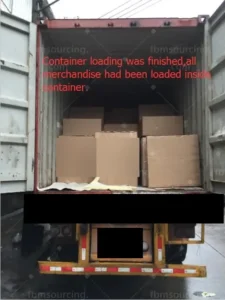
FBM Sourcing manages door and window procurement from factory shortlist to container loading for hotels, apartments, schools and commercial buildings in the USA, Australia, Europe and the Caribbean. Send us your door schedule, drawings, quantities, destination port and project timeline, and our team will review your requirements and get back to you. Submit your project requirements here.
Related reading