
Fixed glass and curtain wall panels carry more risk in sourcing than any other window category, because they are structural elements as much as glazing — a wrong glass makeup or an under-braced crate can mean a cracked panel on arrival rather than a minor defect. Specifying panel size limits, glass makeup and crating method before production starts is what keeps large-format glazing orders from China predictable. This is exactly the kind of project FBM Sourcing, your China sourcing partner, is built to handle.
Why Does Fixed Glazing Need More Specification Detail Than Opening Windows?
An opening window has hardware that can be adjusted or repaired on site if something is slightly off. A fixed glass panel has none of that margin — if the glass makeup doesn’t meet structural or thermal requirements, or the panel arrives cracked, there is no field fix. Everything that matters has to be right before the panel leaves the factory.
What Glass Makeup Options Matter for Large Panels?
Three glass build decisions drive both performance and price:
- Tempered vs laminated: tempered glass is standard for most fixed panels; laminated glass (with a PVB or SGP interlayer) is required where post-breakage retention matters — overhead glazing, balustrades, and hurricane-zone facades
- Insulated glass units (IGU): double or triple glazing for thermal performance, with Low-E coating specified by coating position (surface 2 or 3) rather than just “Low-E”
- Acoustic interlayers: for projects near airports, highways or in dense urban sites where sound transmission class matters
Each of these should be written into the purchase order as a specific glass build code, not a general description — “tempered glass” alone leaves too much room for factory interpretation on thickness and coating.
Sourcing this for a commercial project?
FBM Sourcing works with project owners, developers, main contractors and FF&E contractors on hotel, apartment, school, office and other commercial building projects. Send us your BOQ, drawings or product list — our team will review it and get back to you.
What Panel Size Limits Should a Buyer Confirm?
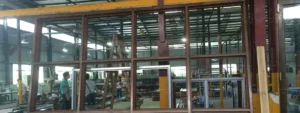
Large-format panels are limited by both the factory’s tempering furnace capacity and by structural engineering calculations for wind load and dead load. Before finalising elevation drawings, confirm the maximum panel size the shortlisted factory can produce and test in-house, and whether an independent structural engineer has signed off on panel thickness for the specified wind load — a factory’s default recommendation is not a substitute for project-specific engineering on a feature facade.
Frame and Setting Detail
Fixed panels rely on the frame and setting blocks to carry the glass’s dead load correctly. Frame profile wall thickness, setting-block material and placement, and sealant type (structural silicone for larger panels) all need to be specified rather than left to factory default, particularly on curtain-wall-integrated systems where the frame is doing structural work, not just holding a pane in place.
How Are Large Glass Panels Protected for Shipping?
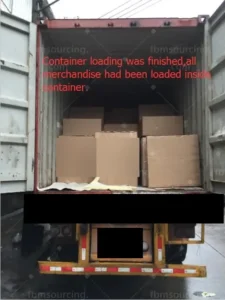
This is where most fixed glazing failures actually happen — not in production, but in transit. Panels should be crated upright (never flat) in purpose-built A-frame or L-frame crates with edge padding at every contact point, separated by spacers to prevent glass-on-glass contact, and secured against movement inside the container with bracing at the crate base. Inspection should confirm crate construction and bracing before the container is sealed, not just check the glass itself.
Sourcing Fixed Glazing Through a Building Material Sourcing Agent
A building material sourcing agent manages this process by locking glass build codes and panel dimensions into the purchase order before production, confirming structural sign-off on oversized panels, and inspecting both the glass and the crating before the panels leave the factory. Our fixed glass windows from China page covers the product types and the inspection we run on every order.
Get a China Procurement Quote for Your Project
Send your elevation drawings, panel sizes, destination port and timeline, and our team will review your requirements and get back to you. Submit your project requirements.
Related reading
- Villa Entry Door Specification: What to Confirm Before Ordering from China
- Steel vs Laminate Office Storage Cabinets: China Sourcing Guide
- Staff Lockers from China: Buyer Guide for Hotels, Offices and Factories