Buying staff lockers from China makes commercial sense the moment a project needs more than about fifty doors: hotel back-of-house changing rooms, gym and leisure facilities, factory welfare blocks, school PE areas, or end-of-trip facilities in office buildings. At that scale the unit price gap between Chinese steel furniture factories and domestic suppliers typically covers freight several times over. What the price list does not show is where locker orders actually go wrong — steel gauge, keying schedules, and packing. This guide covers what project buyers should confirm before placing a locker order in China. FBM Sourcing operates as a sourcing agent and sourcing partner, not a trading company.
Where Staff Lockers Fit in a Commercial Furniture Package
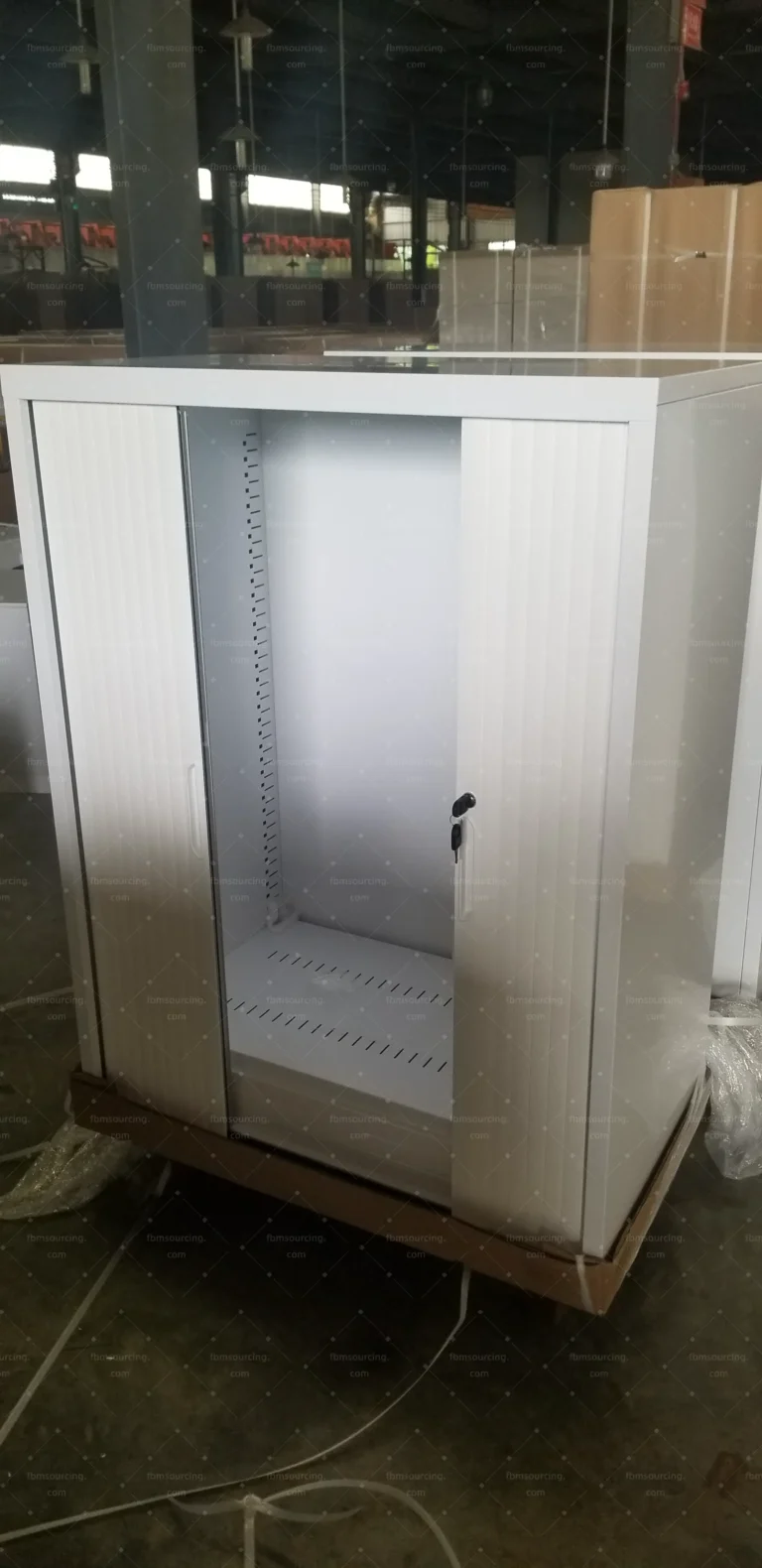
Lockers are rarely bought alone. On most projects they arrive on the same furniture schedule as office storage cabinets, filing cabinets, and workstation runs, which is why buyers who consolidate the steel furniture package with one furniture sourcing agent usually land better freight economics than those who order lockers as a standalone shipment.
Typical Project Quantities
A 200-room hotel commonly needs 150–300 staff locker doors across housekeeping, kitchen, and engineering changing areas. An office tower’s end-of-trip facility runs 100–400 doors depending on cycle-parking provision. Factories and logistics facilities scale with headcount — often 500 doors and up. These volumes justify a dedicated production run rather than a catalogue purchase, which means the specification is yours to control.
Staff Locker Specifications That Matter
Steel Gauge and Construction
Chinese factories will quote lockers in anything from 0.5 mm to 1.0 mm cold-rolled steel. For daily commercial use, 0.6–0.8 mm body panels with reinforced door returns are the practical floor; below that, doors flex and racks drift out of alignment within the first year. Welded carcasses hold up better than bolted knock-down construction in wet changing rooms, but knock-down saves a significant share of container volume — a genuine trade-off that should be decided deliberately, not left to the factory’s default.
Lock Systems and Keying Schedules
The single most common failure on large locker orders is not the steel — it is the keys. Master-keyed systems need a written keying schedule agreed at sample stage: how many key groups, which doors share a master, how keys are numbered and bagged. Coin-return, combination, and RFID locks each add their own confirmation points (coin size, reset procedure, card frequency). An order that arrives with 400 perfect doors and an unmanaged key box can delay a staff area handover by weeks.
Ventilation, Finish, and Compliance
Confirm louver or perforation patterns for wet areas, powder-coat thickness (stated in microns in your specification and confirmed by the factory in writing), and anti-bacterial coating if the project specifies it. For laminate-front lockers in front-of-house areas, confirm the HPL brand and fire rating in writing — laminate is where undocumented substitutions most often happen.
Sourcing this for a commercial project?
FBM Sourcing works with project owners, developers, main contractors and FF&E contractors on hotel, apartment, school, office and other commercial building projects. Send us your BOQ, drawings or product list — our team will review it and get back to you.
How Buying Staff Lockers Through a Sourcing Agent Works
Steel furniture factories in China are concentrated in Luoyang and the Pearl River Delta, and their export experience varies widely. A china sourcing agent working on your side of the transaction shortlists factories against your specification, arranges a pre-production sample (door action, lock function, coating panel), holds the keying schedule as a controlled document, and inspects the finished goods before loading. Pre-shipment inspection for lockers checks door alignment on sampled banks, lock and key function against the schedule, weld quality, sharp-edge risks on vents, and packing strength — the checks that determine whether the order installs cleanly on site.
The alternative — ordering direct from a trade-platform listing — works until something drifts: a powder-coat batch change mid-run, a key numbering error, or under-specified internal bracing that only shows up after a sea crossing. None of these are visible in a product photo, and all of them are cheap to catch at the factory and expensive to fix on site.
Lead Times and Shipping for Locker Orders
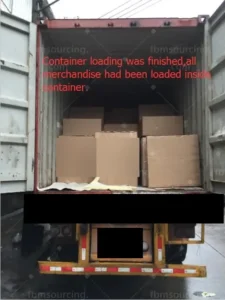
Production lead time for a locker order is confirmed by the factory in writing before the order is placed, and sea freight to your destination port comes on top. Knock-down lockers pack far denser than assembled units, so ask the factory for the container load count of each configuration on its packing plan. Buyers consolidating lockers with the wider office furniture package should plan the production schedule so all factories close within the same loading window — this is standard coordination work for a sourcing agent and surprisingly difficult to do remotely.
Get a China Procurement Quote for Your Project
FBM Sourcing manages staff locker procurement from China for hotel, office, and institutional projects — factory shortlisting, sample and keying-schedule approval, pre-shipment inspection, and consolidated shipping alongside staff locker cabinets and the wider office furniture package. Send us your locker schedule, door count, lock system preference, destination port, and project timeline, and our team will review it and get back to you. Submit your project requirements to start your inquiry.
Related reading