
This Melbourne commercial project is a metal side table and chair procurement case from China. The client placed a full 40HQ container order for durable, modern-style metal side tables and chairs used in a commercial fit-out project in Melbourne. They needed stable quality, consistent finish, strong packing, and reliable delivery across a large quantity of furniture.
FBM Sourcing supported the project as a China furniture sourcing agent, procurement consultant, quality inspection team, and shipping coordinator. Because we had previously supplied similar products to this client, the purchase list was based on known product standards and proven supplier experience. Our role was to confirm specifications, source from a trusted metal furniture manufacturer, control production, inspect finished goods, and arrange container loading for export to Australia.
Metal furniture procurement requires more than comparing catalogue photos. Commercial side tables and chairs need strong welding, stable structure, consistent powder coating, accurate dimensions, clean finishing, good balance, and export packing that can protect surfaces during shipping. For a project buyer in Australia, quality control before shipment is essential because repairs or replacements after arrival can be slow and expensive.
This case is useful for commercial fit-out companies, furniture procurement companies, hospitality FF&E buyers, apartment operators, and project managers looking for metal furniture from China. It shows how FBM Sourcing manages supplier selection, order confirmation, production follow-up, quality inspection China service, container loading, and shipping documentation in one practical workflow.
For the project buyer, the key value is procurement control. The buyer needs products that match the project look, withstand frequent use, arrive on schedule, and remain consistent across the order. FBM Sourcing connects the China-side work so the overseas client does not need to manage each factory detail alone.
The project also shows why metal furniture sourcing needs a focused process. Side tables and chairs may look simple, but commercial use places pressure on welding strength, coating adhesion, frame balance, leg protection, carton packing, and long-term appearance. FBM Sourcing translated those practical requirements into supplier instructions, inspection points, and loading records so the shipment could be controlled from order to export.
Commercial metal furniture procurement
1 x 40HQ
Melbourne, Australia
2018
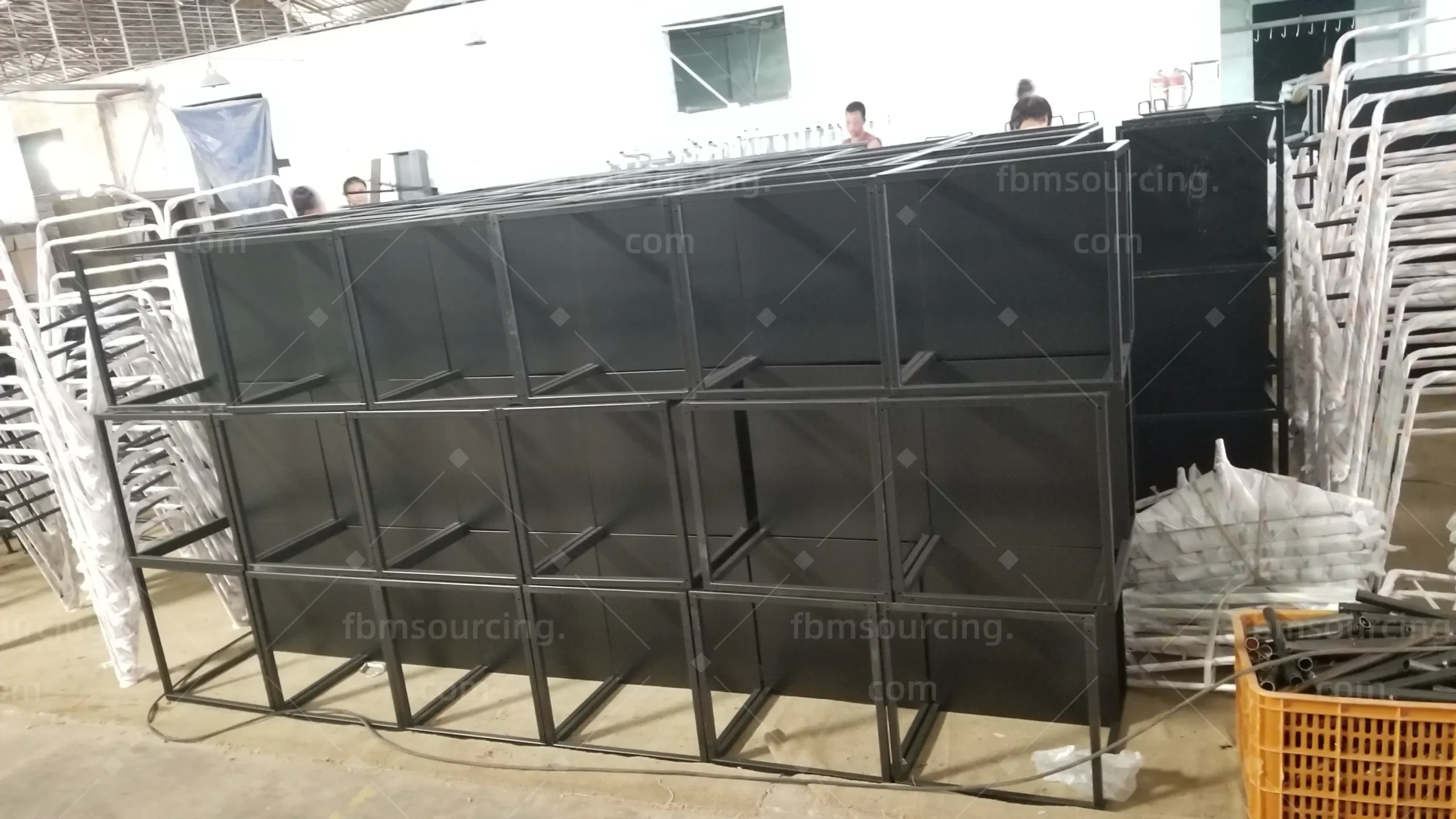
The client sent a purchase list based on products we had shipped for them before. This gave the project a practical starting point: the style, quality expectation, and supplier direction were already familiar. The new order still needed careful confirmation because it would fill a full 40HQ container and be used in a commercial project.
Before placing the order, FBM Sourcing reviewed the product model, size, finish, color, quantity, packing requirements, delivery timing, and shipment destination. For metal side tables and chairs, small details matter. Welding points, surface coating, chair stability, table balance, edge finishing, and packaging can all affect the final user experience.
Commercial furniture also needs to perform under repeated use. A chair that looks acceptable in photos may not be suitable if it feels unstable, scratches easily, or has inconsistent coating. A side table needs a strong frame, clean surface, and stable base. These practical requirements shaped our supplier selection and inspection standards.
This early requirement confirmation helped reduce risk before production. It also gave the client clear visibility over what would be ordered, how it would be checked, and how the goods would be shipped from China to Melbourne.
We also considered how the furniture would be used after installation. Commercial spaces need products that can be moved, cleaned, and used repeatedly without looking worn too quickly. For this reason, surface protection, coating consistency, and frame stability were not small details; they were part of the procurement standard from the beginning.
Because the client had purchased from us before, we could use previous shipment experience to confirm which product details mattered most. This helped the order move efficiently while still keeping clear records for the new Melbourne project.
Planning a similar commercial project?
FBM Sourcing works with project owners, developers, main contractors and FF&E contractors on hotel, apartment, school, office and other commercial building projects. Send us your BOQ, drawings or product list — we’ll come back with a sourcing plan and budget estimate.
For this project, FBM Sourcing used a professional metal chair and metal table factory that we had purchased from several times before. The supplier had relevant experience with commercial metal furniture, stable production capacity, and familiarity with export packing requirements. Using a proven factory reduced sourcing risk and helped keep the order efficient.
Choosing the right factory was still important. We reviewed the supplier’s metal furniture production experience, welding quality, powder coating process, frame stability, finishing control, packing method, and delivery history. Metal furniture requires different production control from wood or upholstered products, so category specialization matters.
We also considered communication and accountability. The factory needed to confirm specifications clearly, follow the purchase contract, cooperate with inspection, correct issues before shipment, and meet the agreed timeline. A low price is not enough if the supplier cannot support project procurement standards.
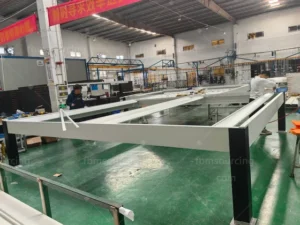
The factory and sourcing photos in this section show the supplier selection stage behind the project. They represent the work of matching the client’s commercial furniture needs with a reliable China metal furniture manufacturer.
For repeated procurement, supplier memory is valuable. When a factory has already produced similar goods for the same client, it can better understand the quality standard and packing expectations. FBM Sourcing still documents the order carefully so every shipment has clear specifications and accountability.
Factory selection also focused on correction ability. If an issue appears during inspection, the supplier must be able to rework coating, replace damaged pieces, improve packing, or correct quantity differences quickly. A factory that communicates well and responds to inspection findings is much safer for project procurement than a supplier that only offers a low unit price.
We also checked whether the factory could support export-ready packaging. Metal furniture surfaces can be scratched easily if cartons, foam, wrapping, and stacking methods are weak. This made packing capability part of the supplier evaluation, not a final afterthought.
FBM Sourcing issued a proforma invoice to the client, and the client paid a 40% deposit. We then signed a formal purchase contract with the factory, clearly outlining product specifications, delivery timelines, quality requirements, packing details, and penalty clauses for delays. This written confirmation protected the buyer and kept the supplier accountable.
During production, our team followed up with the factory on schedule, material preparation, welding, coating, assembly, packing, and shipment readiness. For metal side tables and chairs, production follow-up must pay attention to structural stability and surface finish. If defects are found too late, correction may delay shipment or increase cost.
We also monitored quantity and carton planning. A full 40HQ container requires accurate volume estimation and loading preparation. Good planning helps prevent wasted container space and avoids last-minute changes before shipment.
Production management creates the bridge between order confirmation and quality inspection. By tracking progress before completion, FBM Sourcing reduced the chance of discovering major issues only at the loading stage and helped the client keep better control of the procurement timeline.
During production, we kept attention on repeat consistency. In a full-container order, small differences can become visible when products are installed together. Color variation, frame alignment, uneven legs, or inconsistent finish can make a commercial fit-out look less professional. Our follow-up helped the factory stay aligned with the confirmed standard.
We also maintained communication about carton quantity, estimated loading volume, and completion timing. This allowed shipping planning to begin before the goods were fully finished and helped avoid last-minute container arrangement problems.
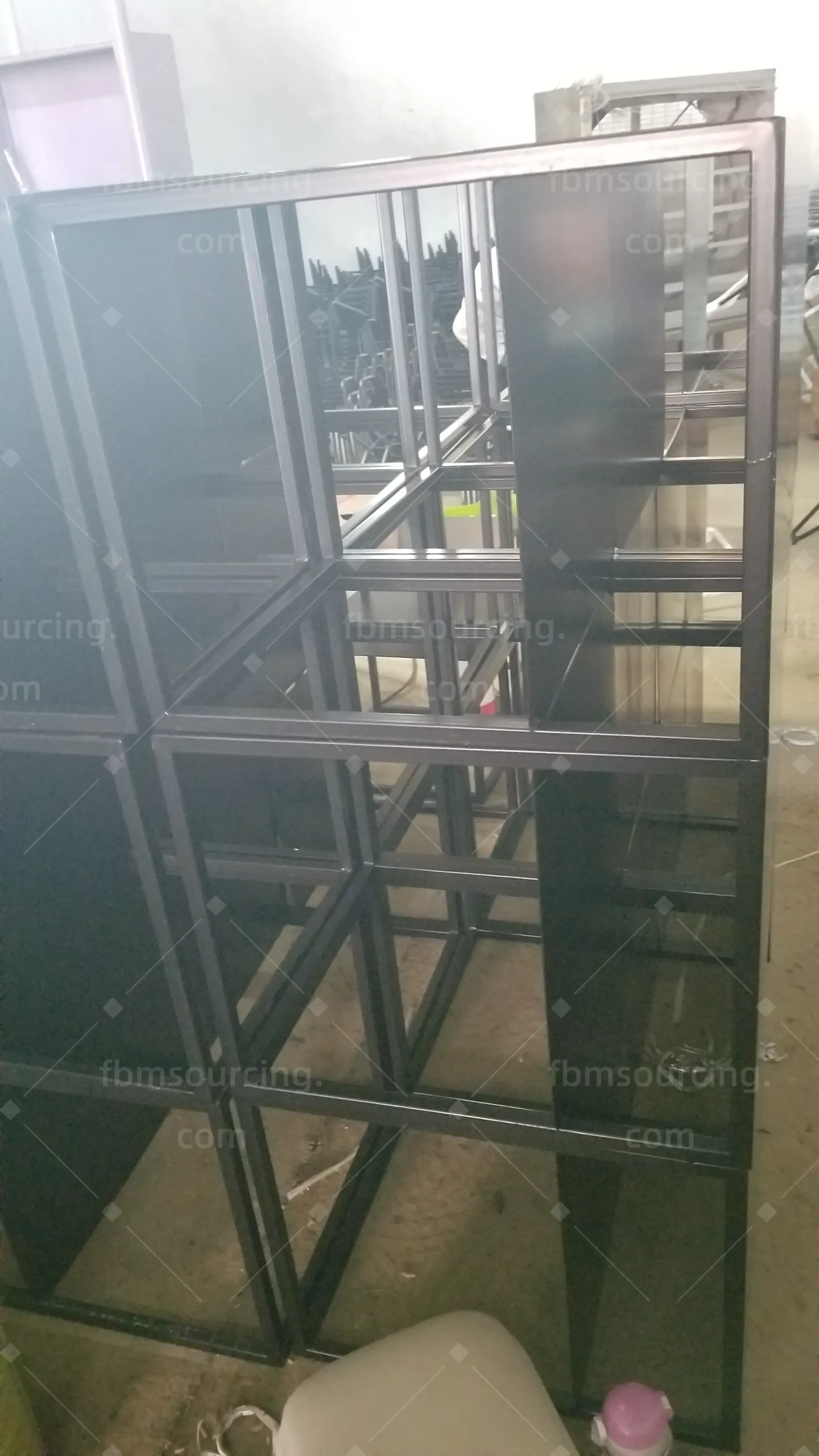
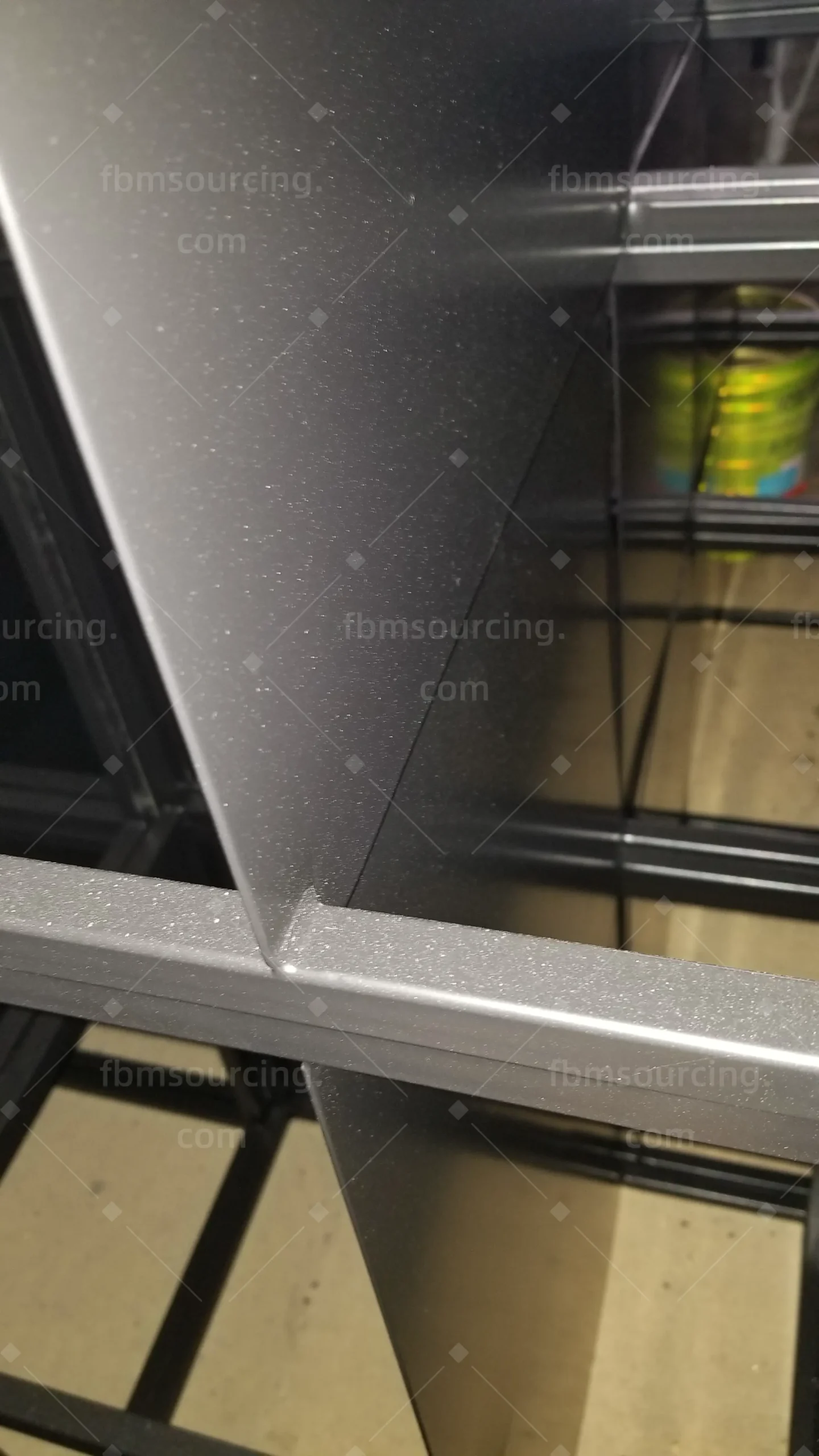
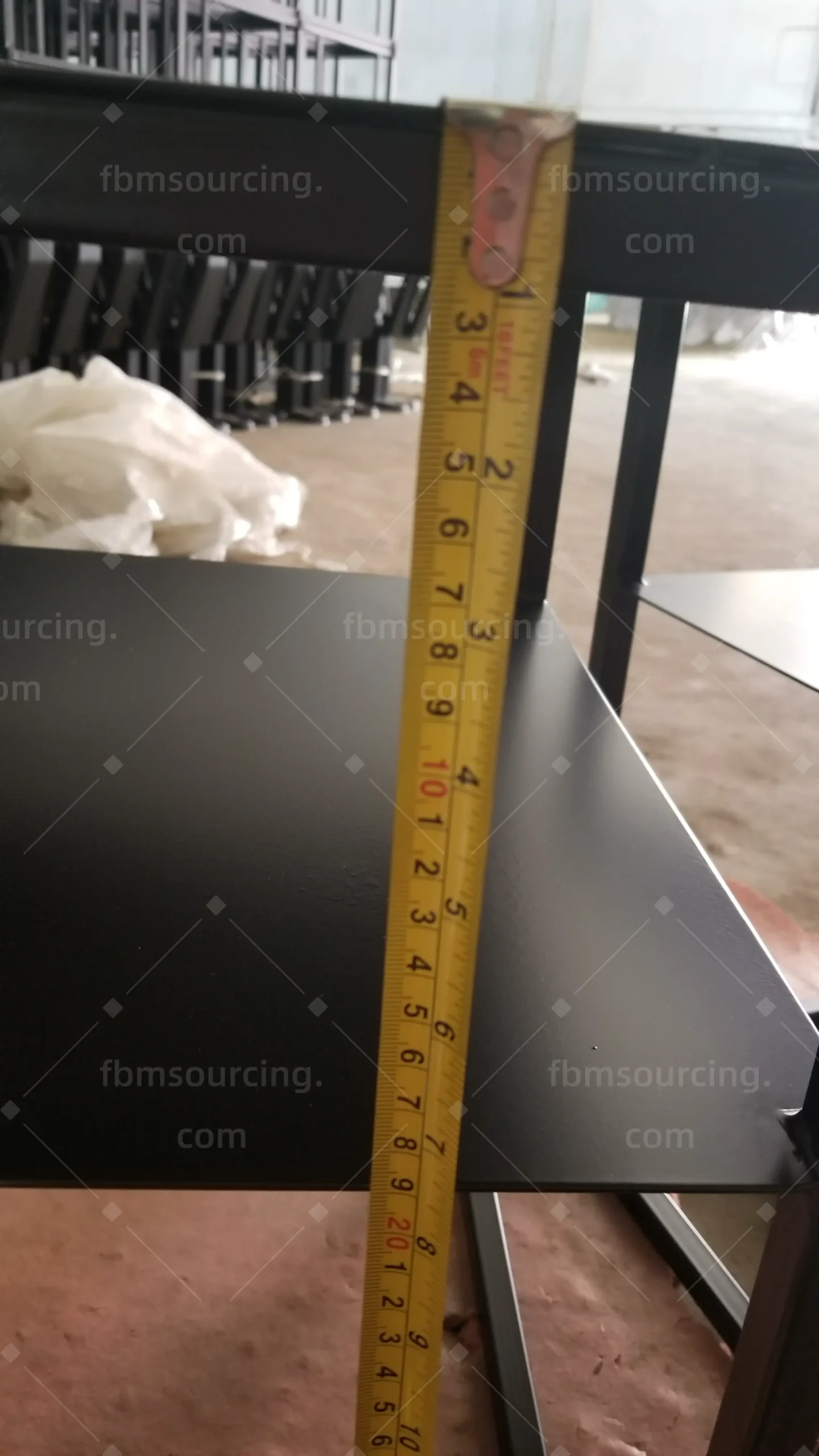
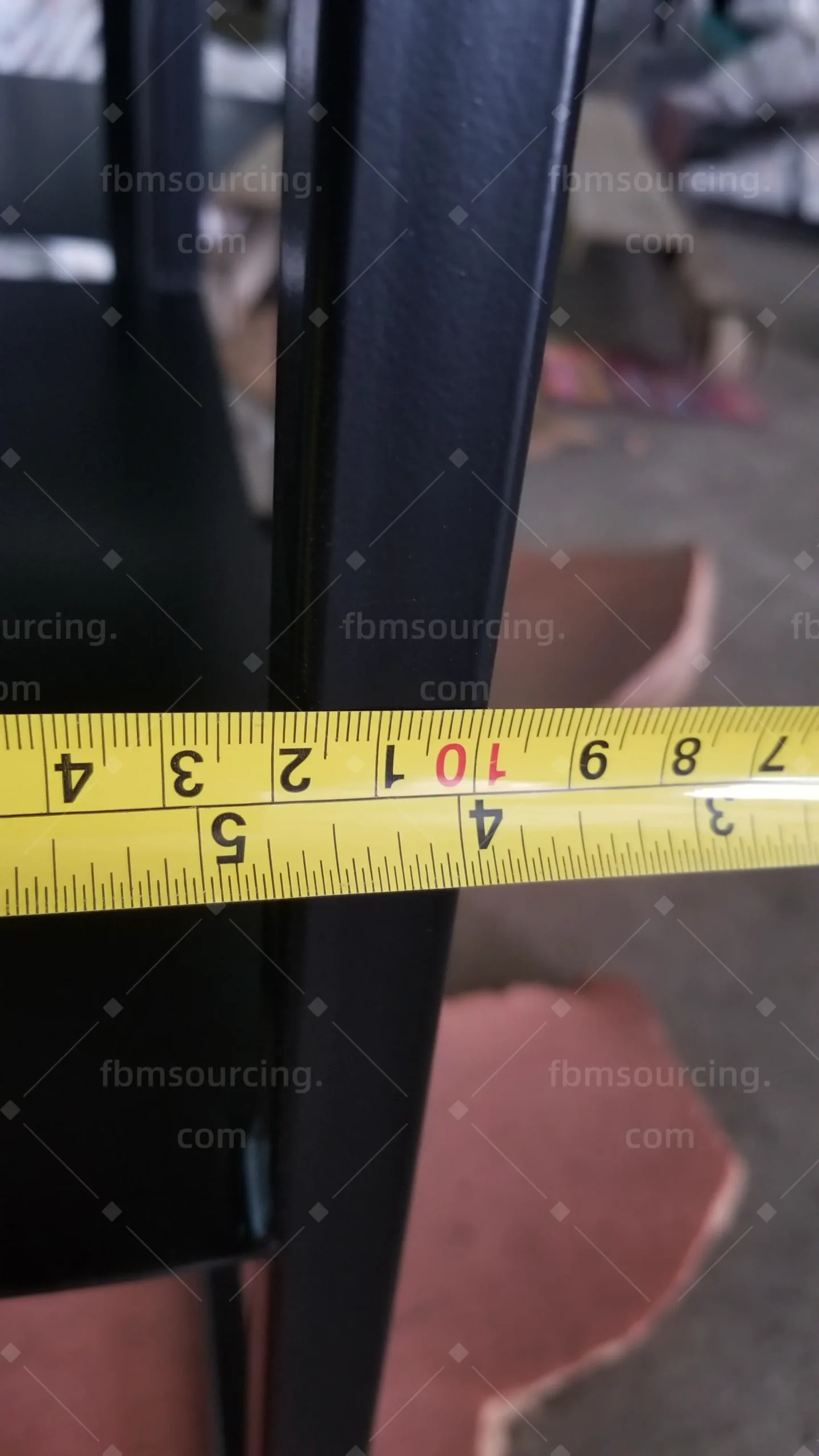
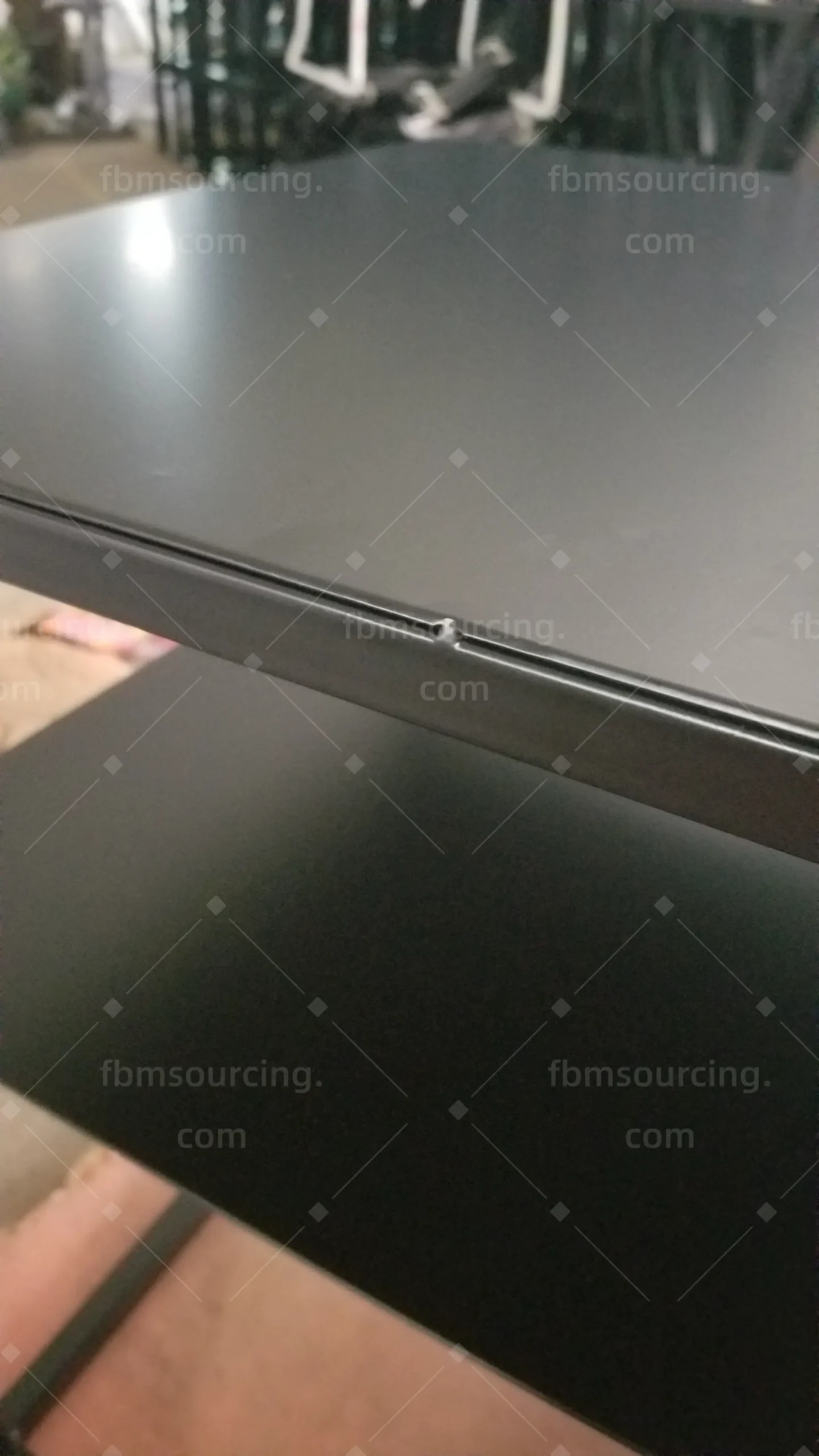
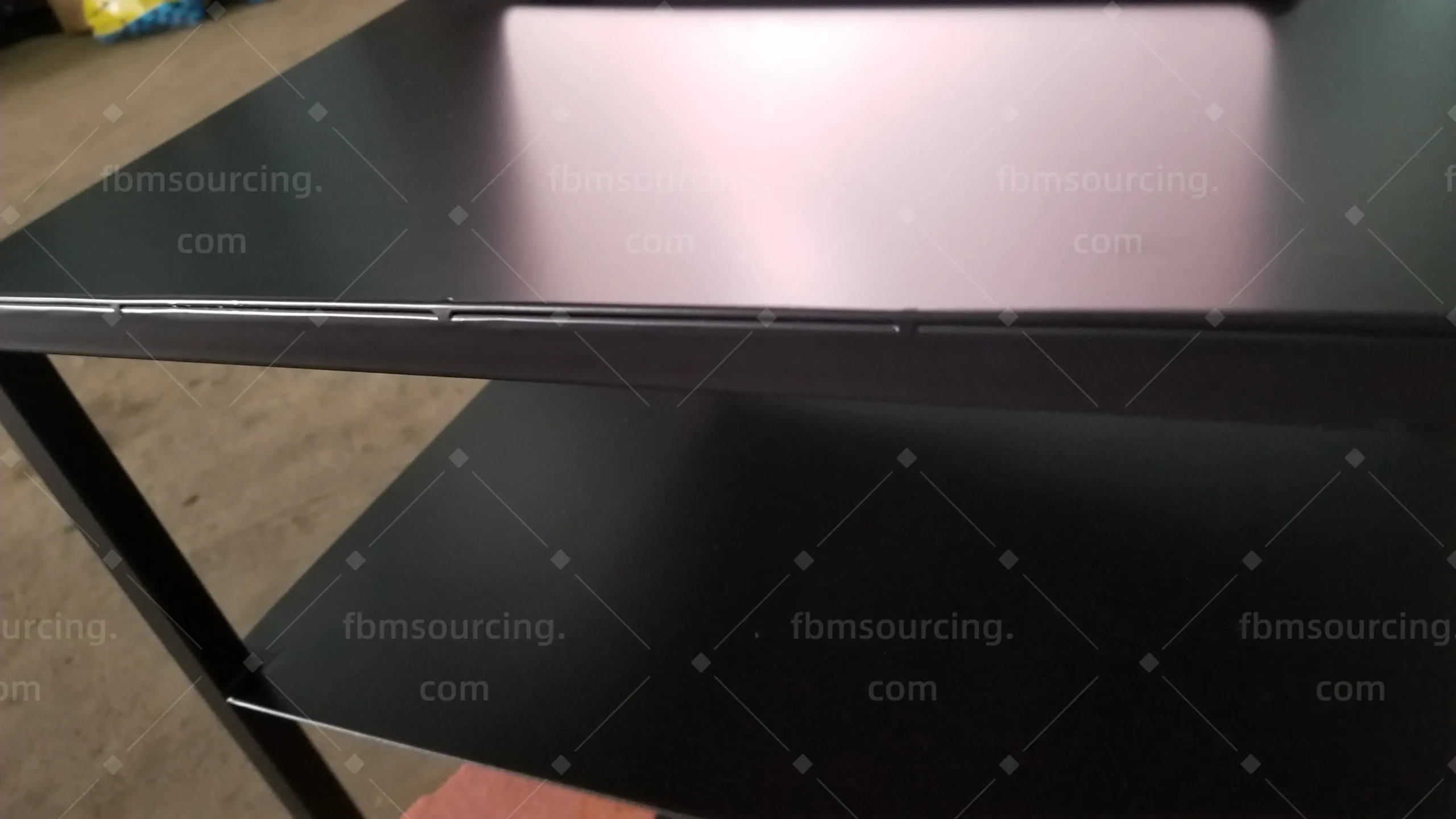
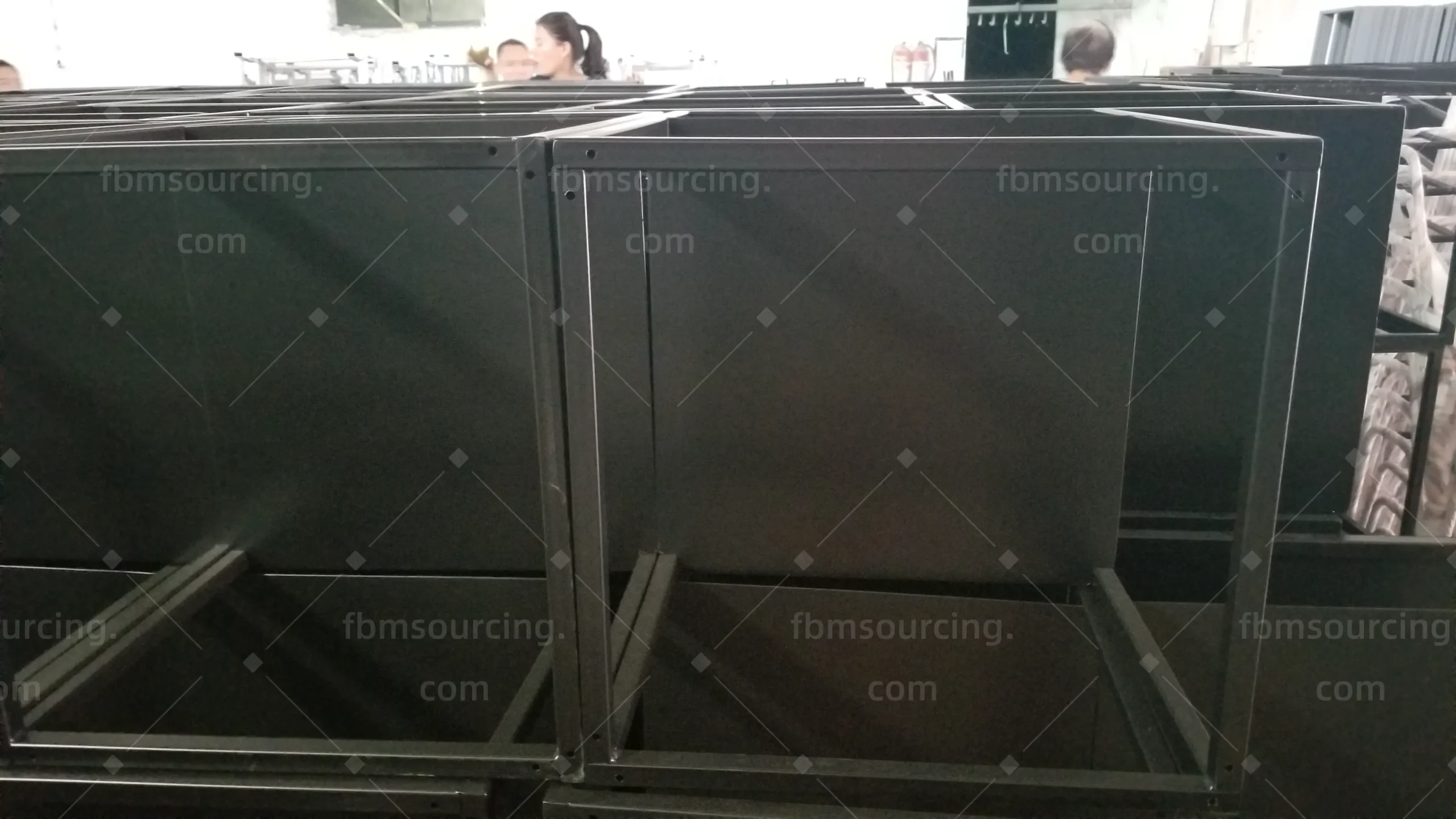
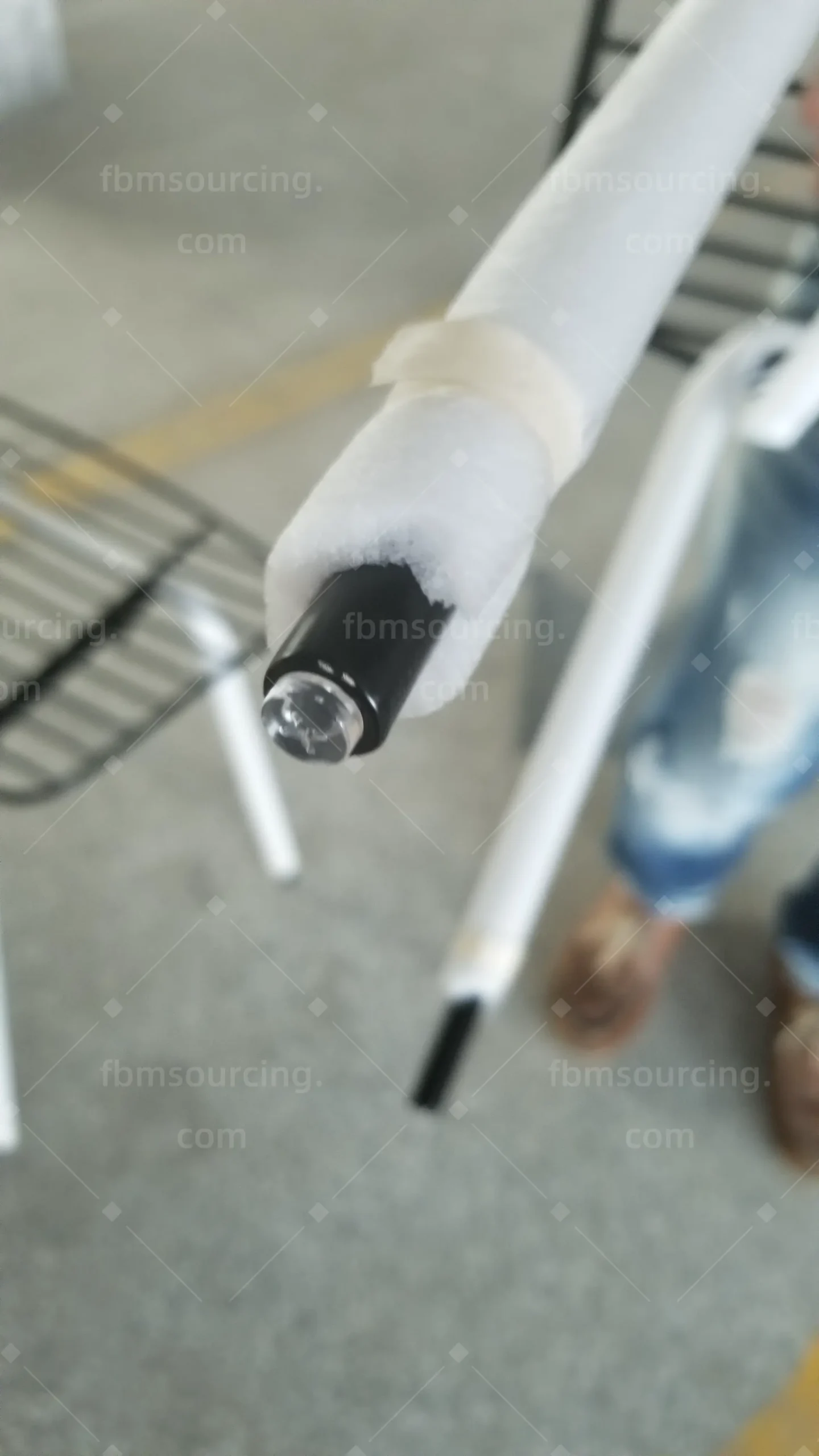
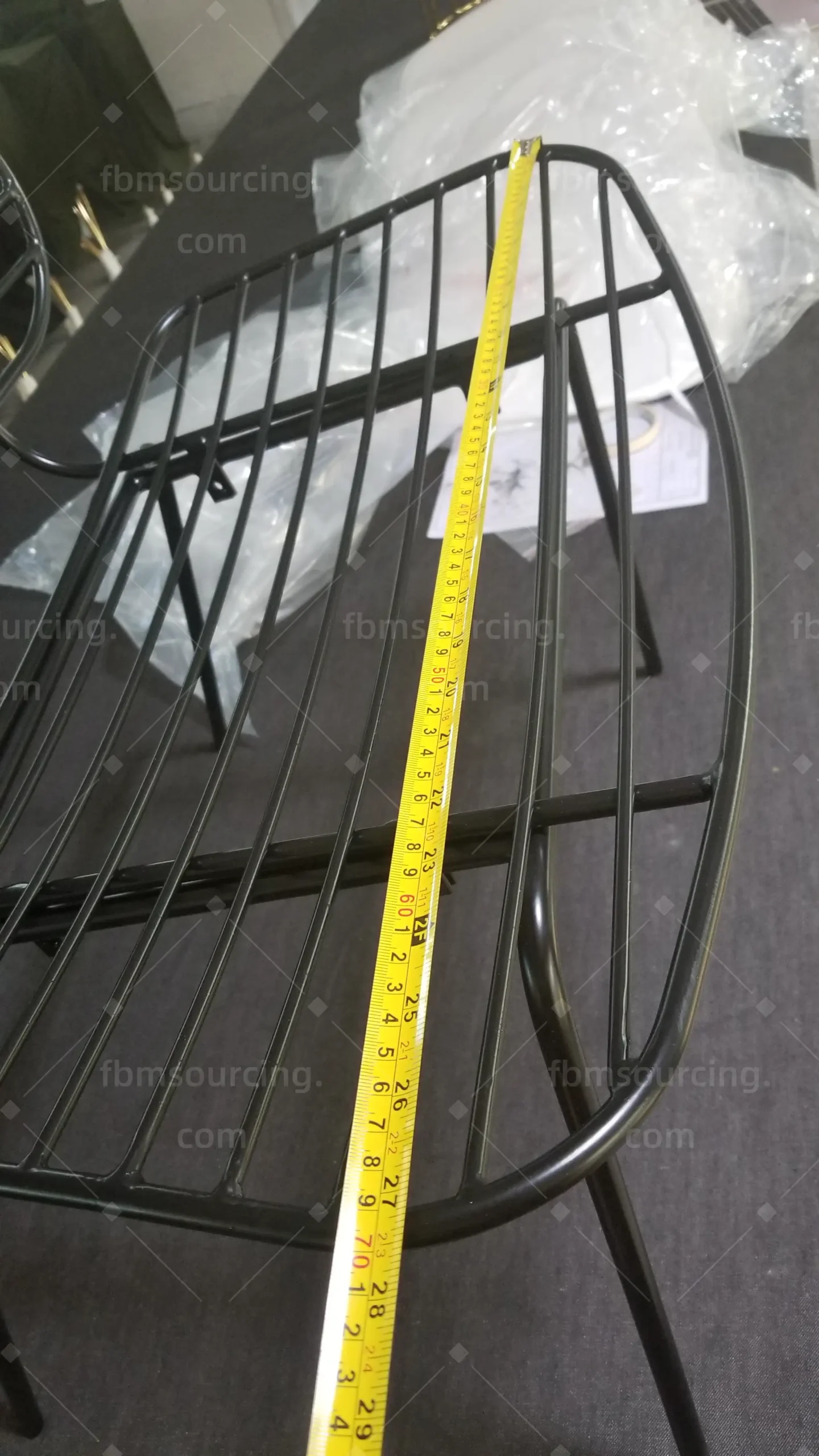
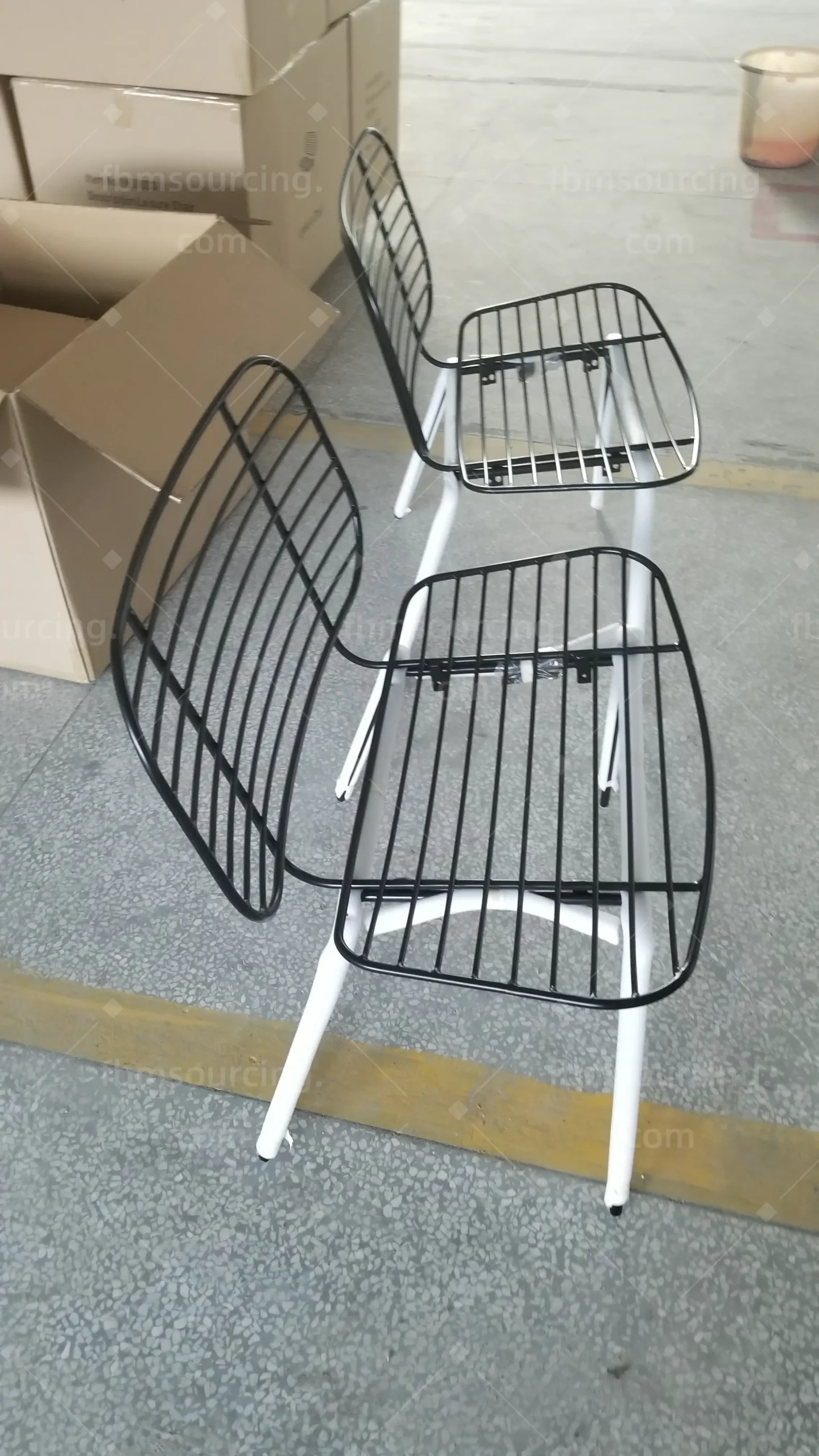
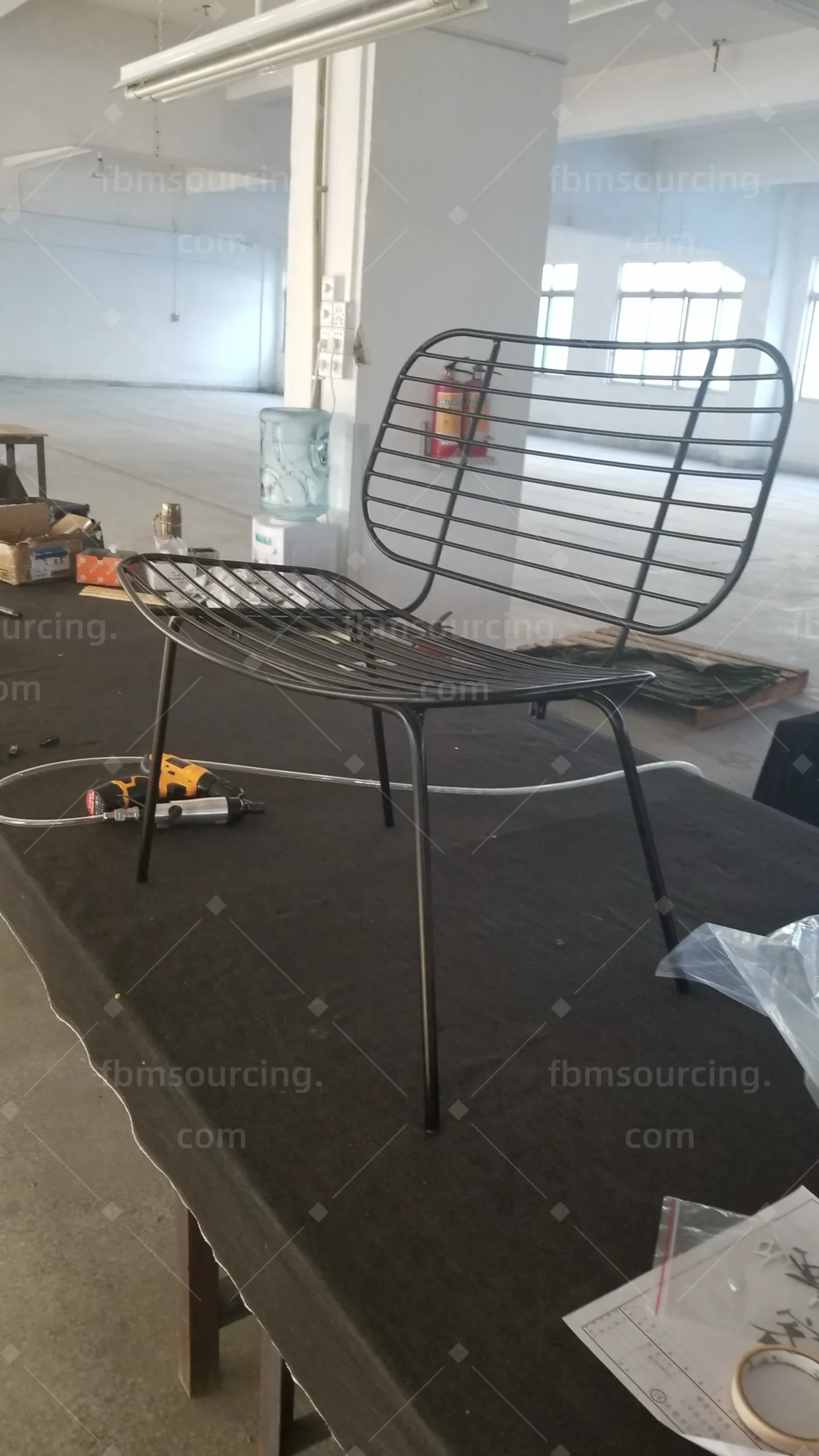
Once bulk production was completed, FBM Sourcing conducted strict quality inspection at the factory. Detailed inspection reports were sent to the client for review. The inspection covered appearance, dimensions, welding points, structure, stability, powder coating, surface scratches, color consistency, accessories, quantity, carton marks, and packing condition.
Quality inspection China service is especially important for metal furniture procurement. Common problems can include uneven coating, visible scratches, unstable legs, weak welding, color differences, incorrect quantity, missing accessories, or poor packing. Finding these issues before shipment allows the factory to repair, replace, or repack goods while they are still in China.
For chairs, we checked structure, balance, finish, and usability. For side tables, we checked table stability, surface condition, frame alignment, and packing protection. Because the furniture was for a commercial fit-out project, we treated consistency and durability as important inspection points.
The inspection photos in this section show the quality control work behind the project. For Australian buyers comparing furniture sourcing agents or procurement consulting services, this stage is one of the clearest ways to reduce risk before balance payment and container loading.
Inspection also protects project delivery. If defective goods arrive in Melbourne, the client may face delays, extra labor, or local repair costs. Checking and correcting issues at the factory gives the buyer a stronger quality checkpoint before shipment.
For metal furniture, the inspection process paid close attention to touch points and visible surfaces. Chairs and side tables are handled often, so scratches, burrs, sharp edges, unstable bases, and poor coating can quickly become customer complaints. By checking these points before export, FBM Sourcing helped the client reduce after-sales risk in Australia.
The inspection report also created a useful record for the client. It showed what was checked, what issues were found, and how corrections were handled. For commercial furniture procurement from China, that documentation is part of responsible project management.
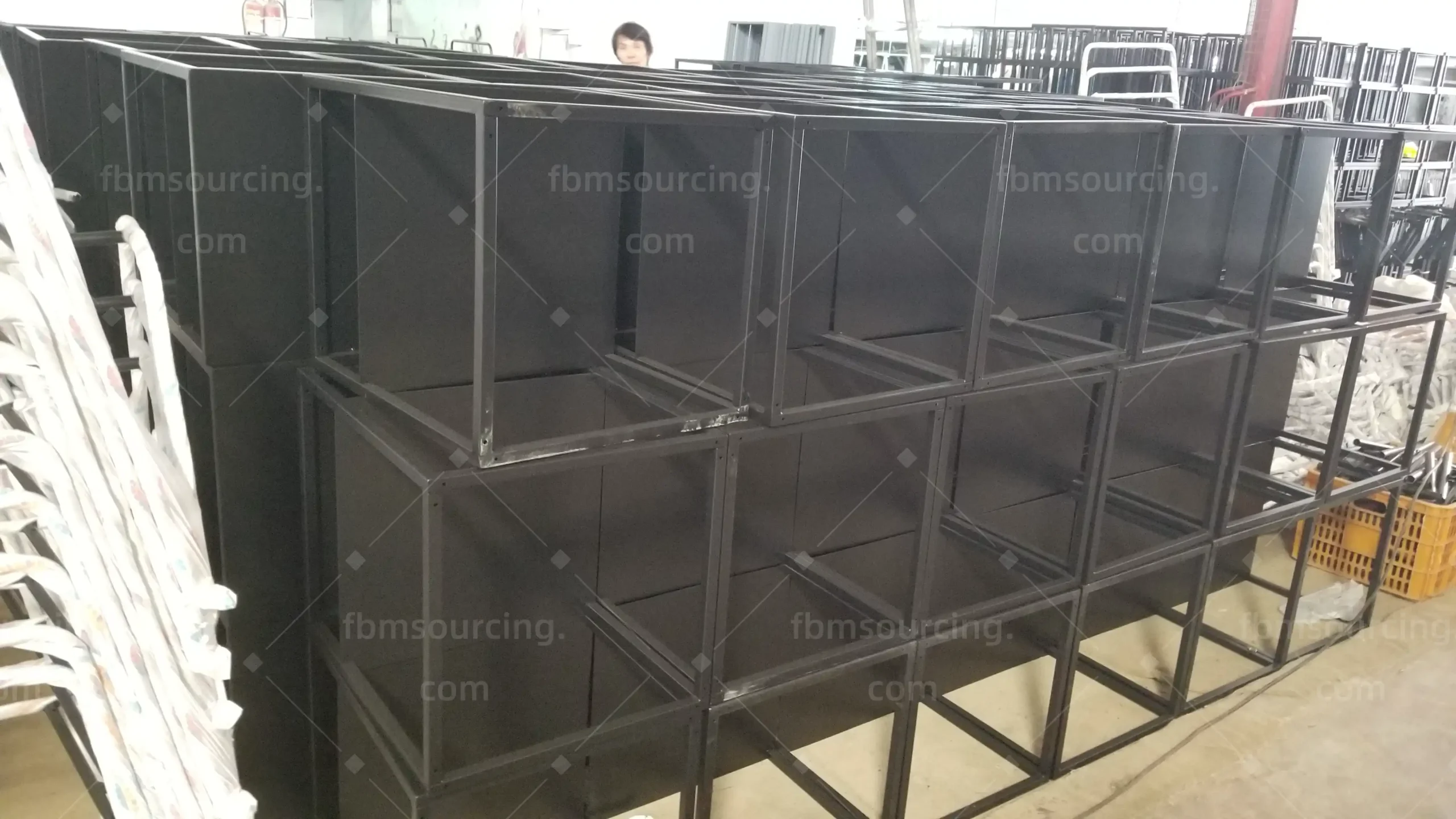
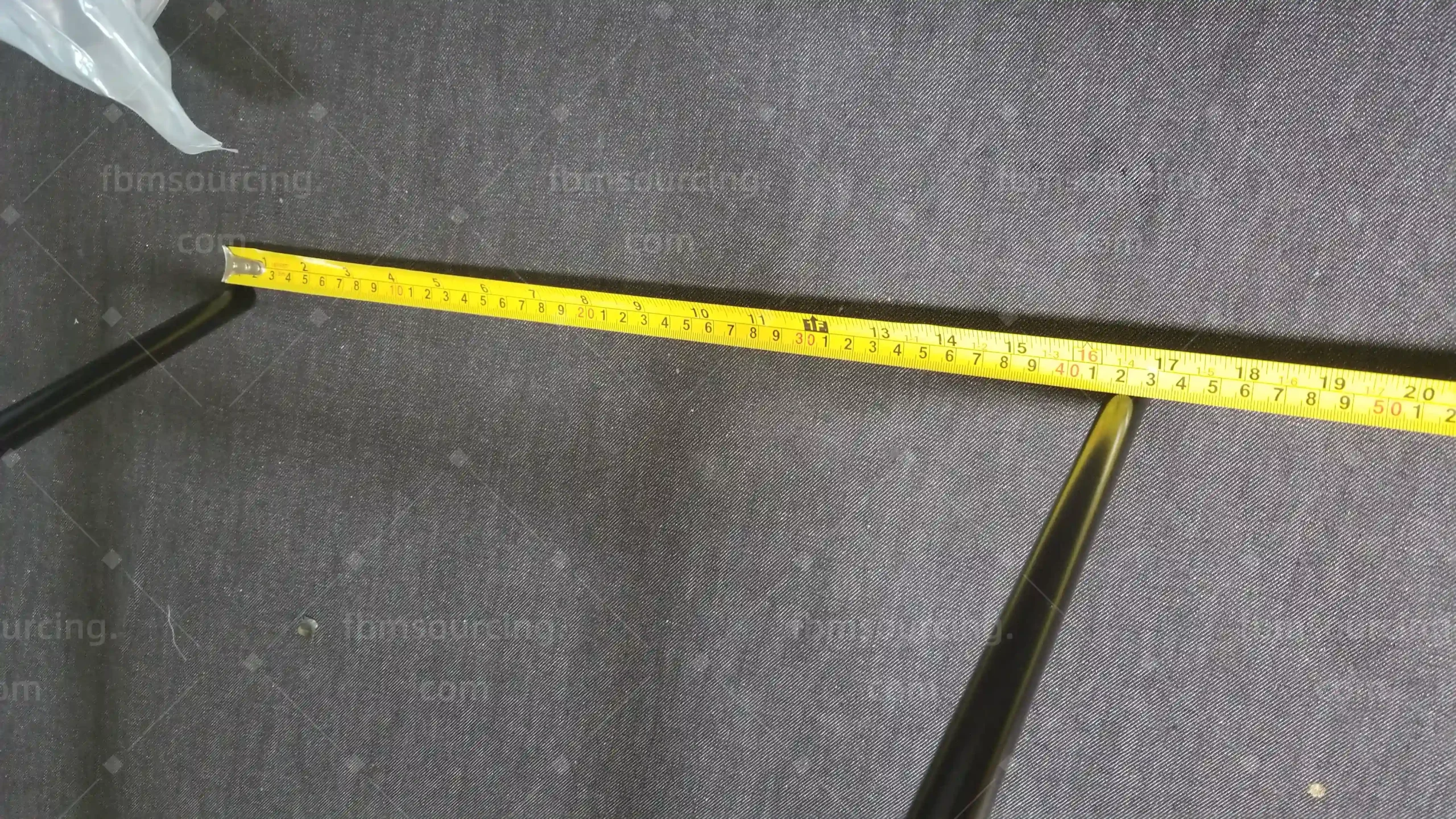
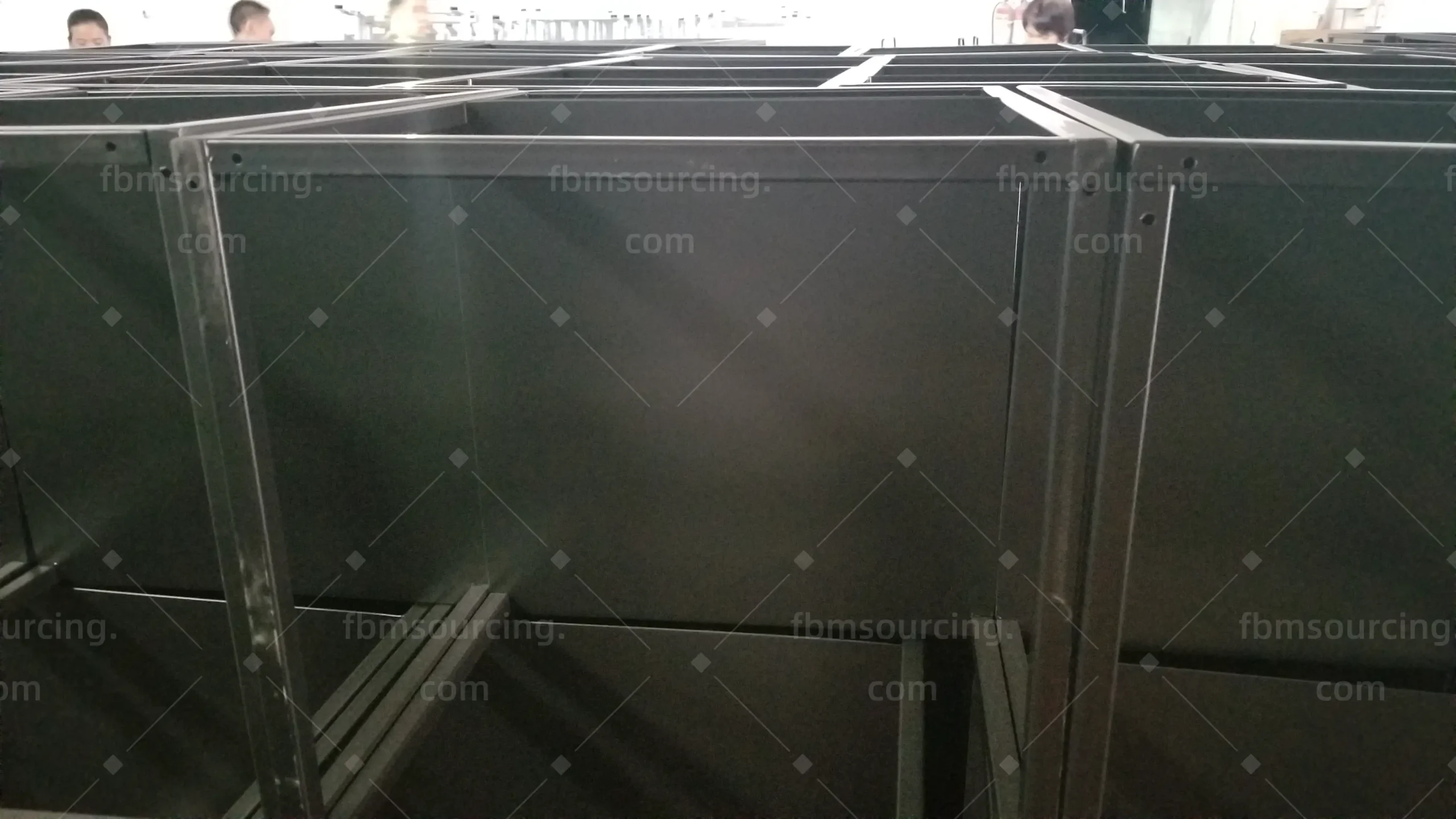

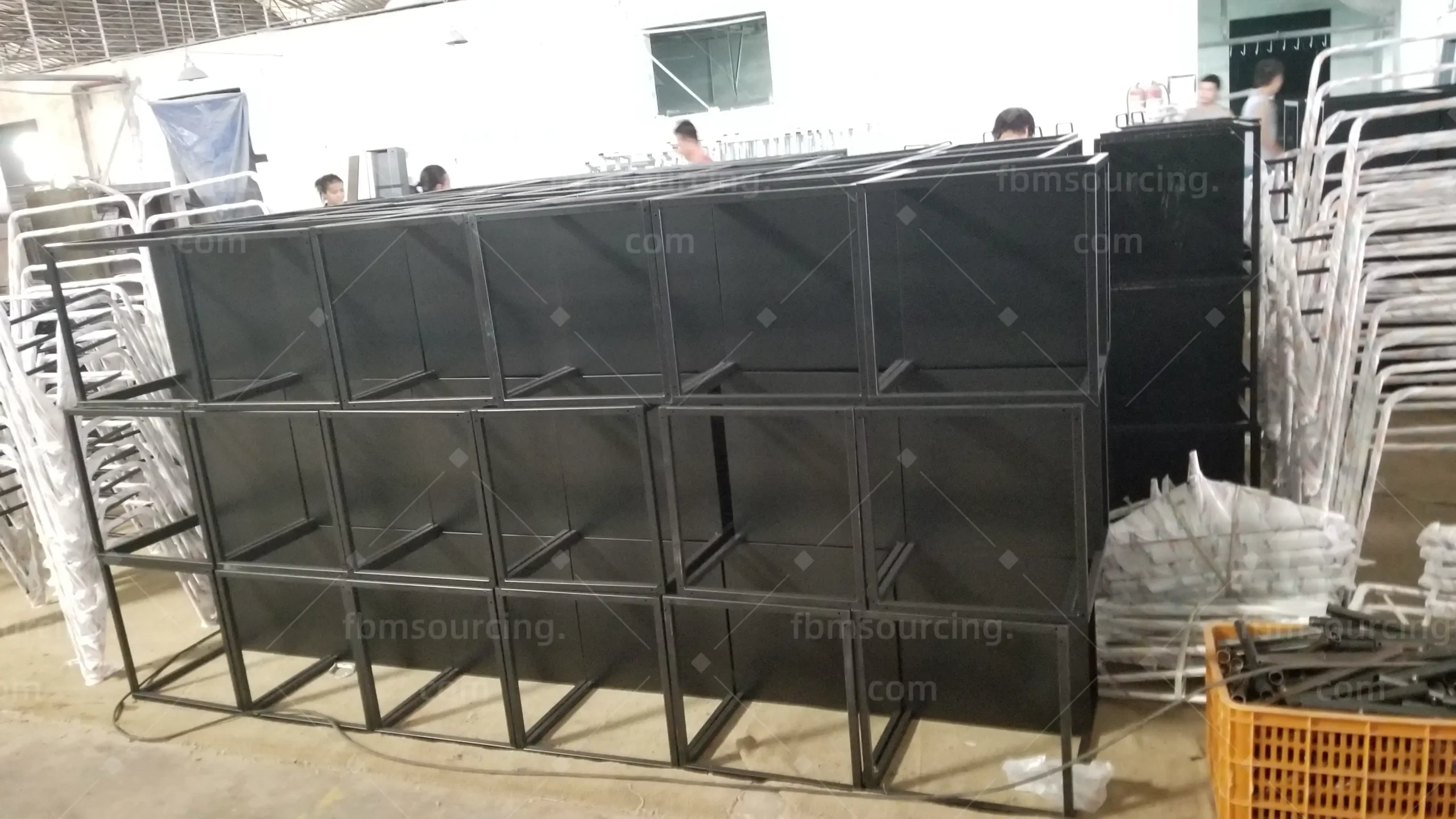

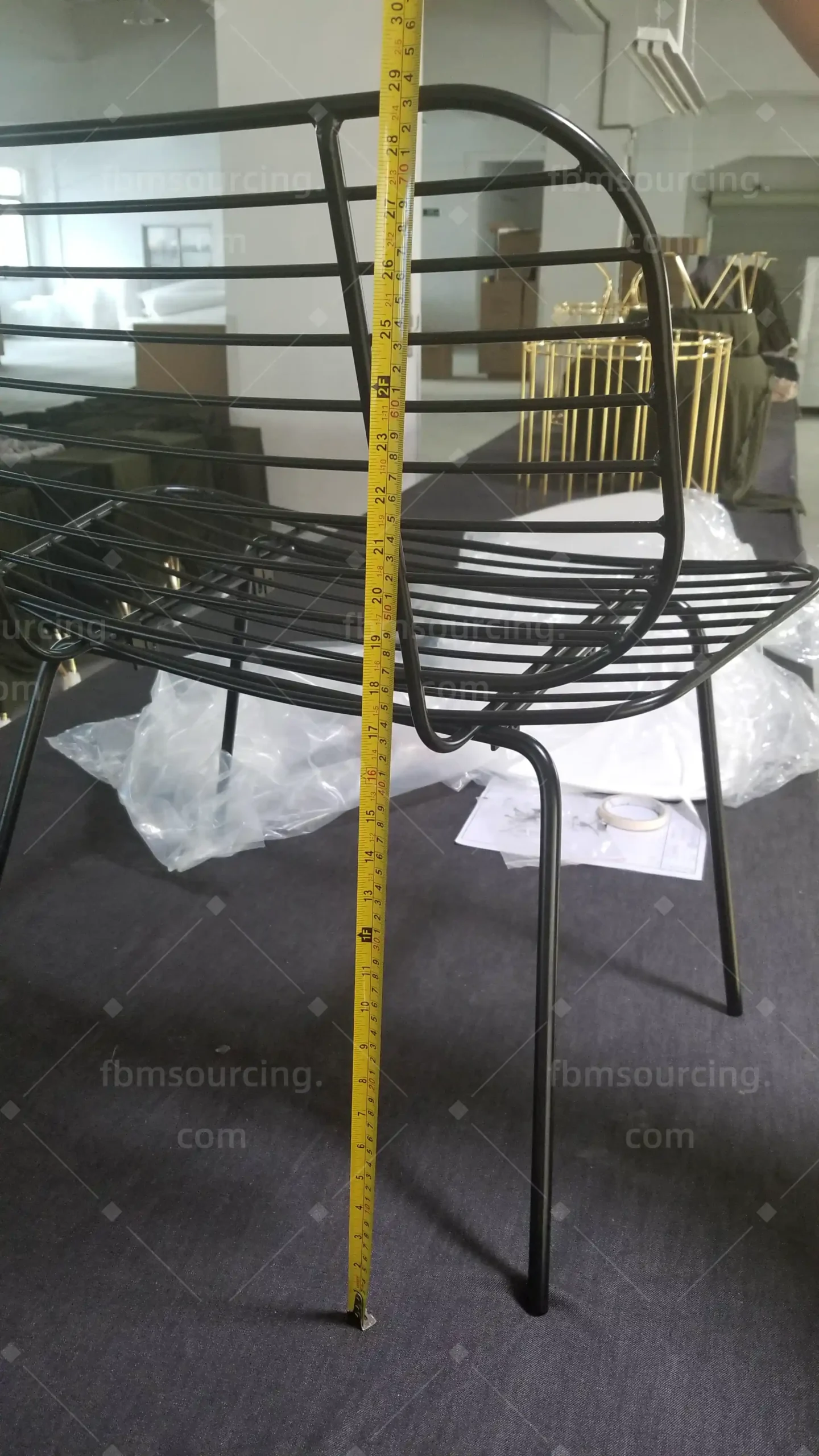
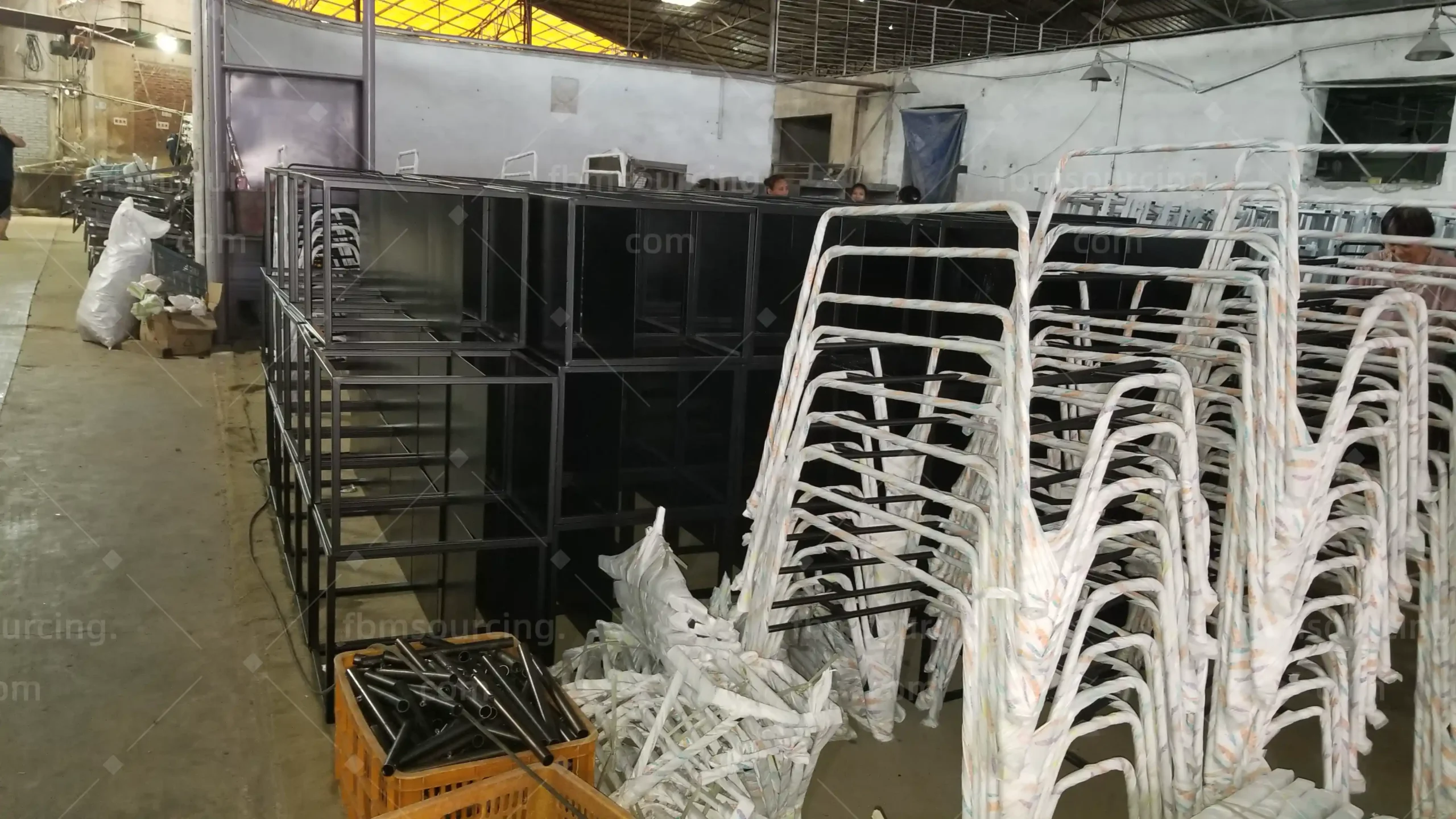
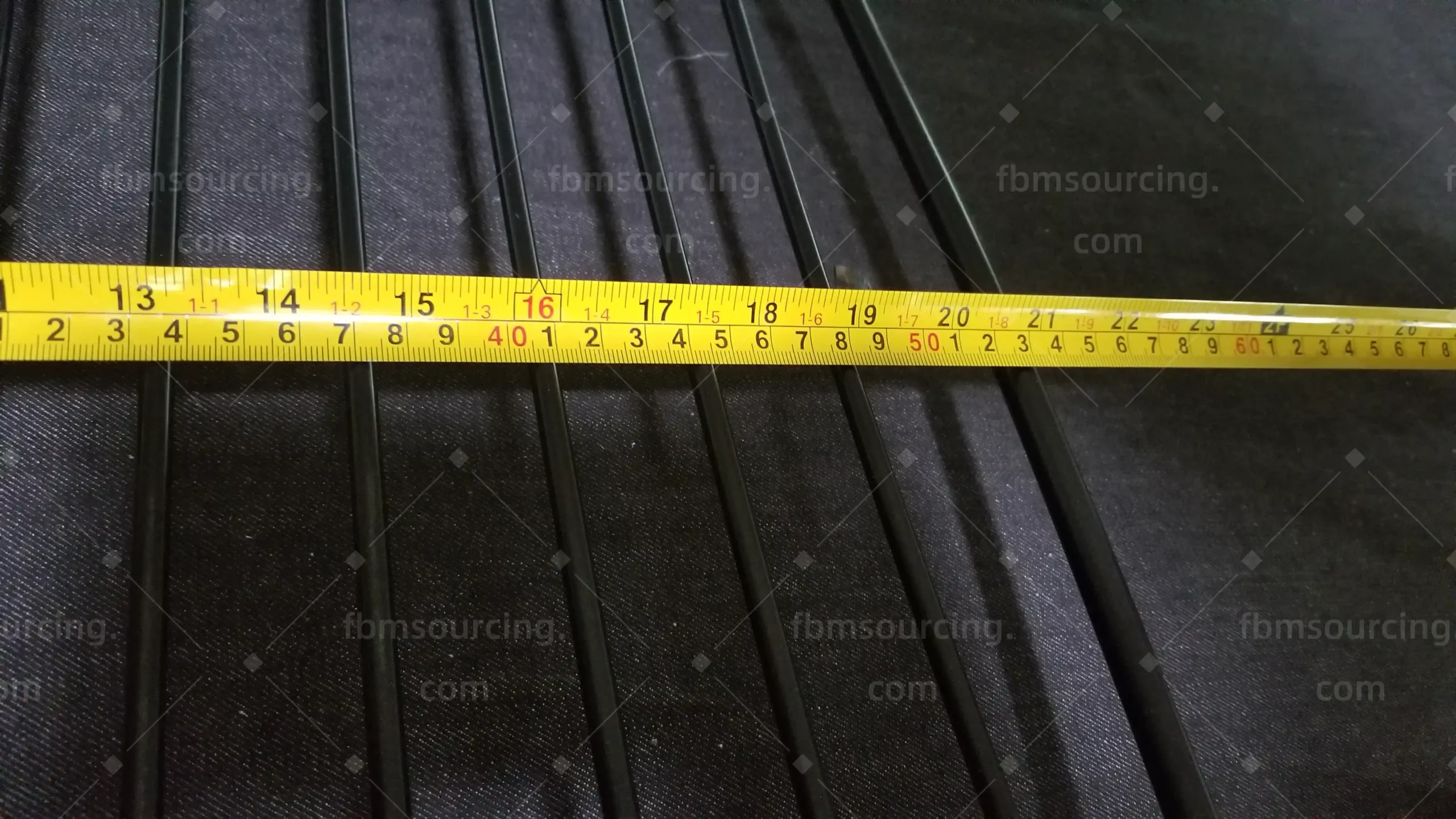
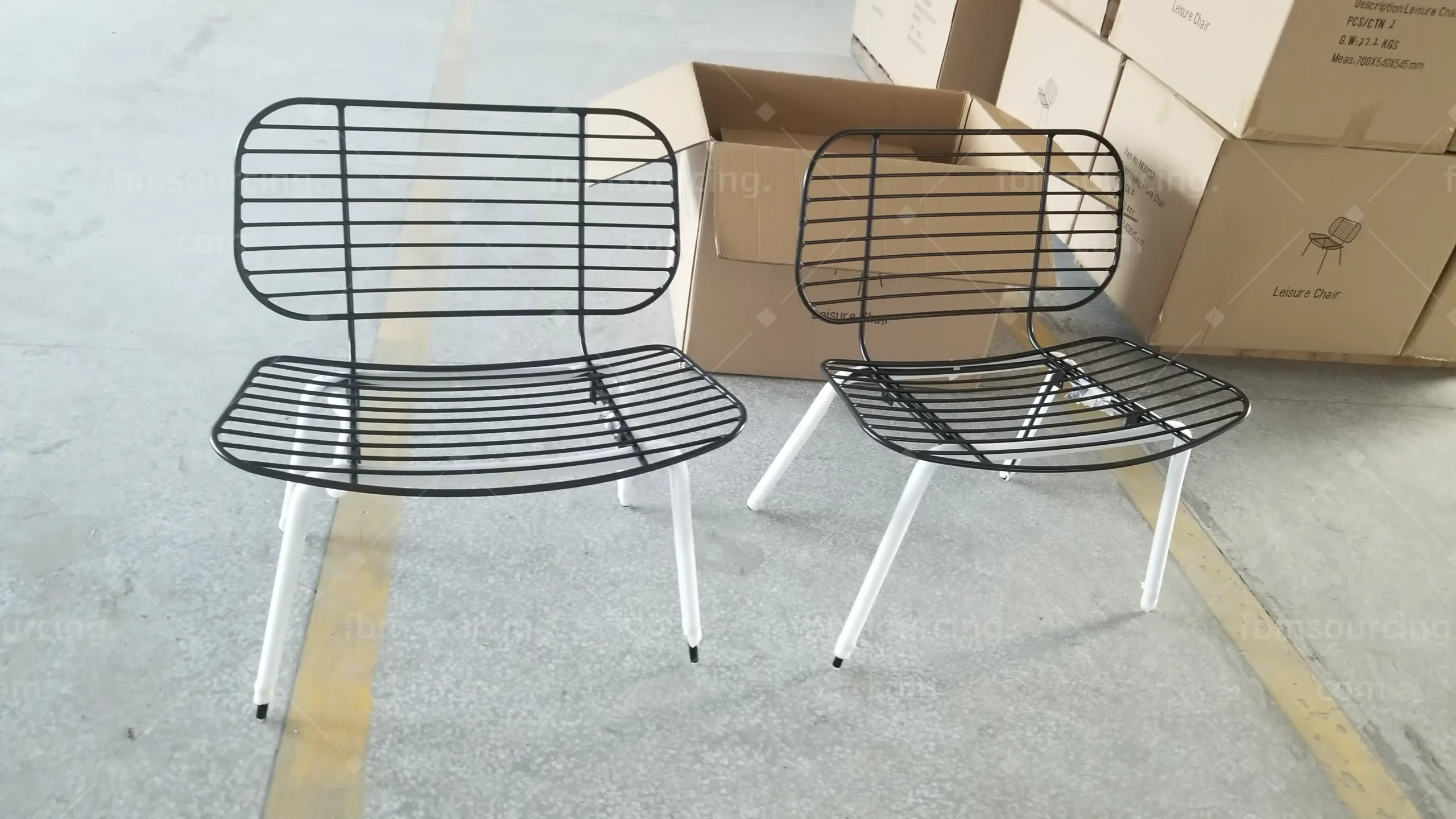
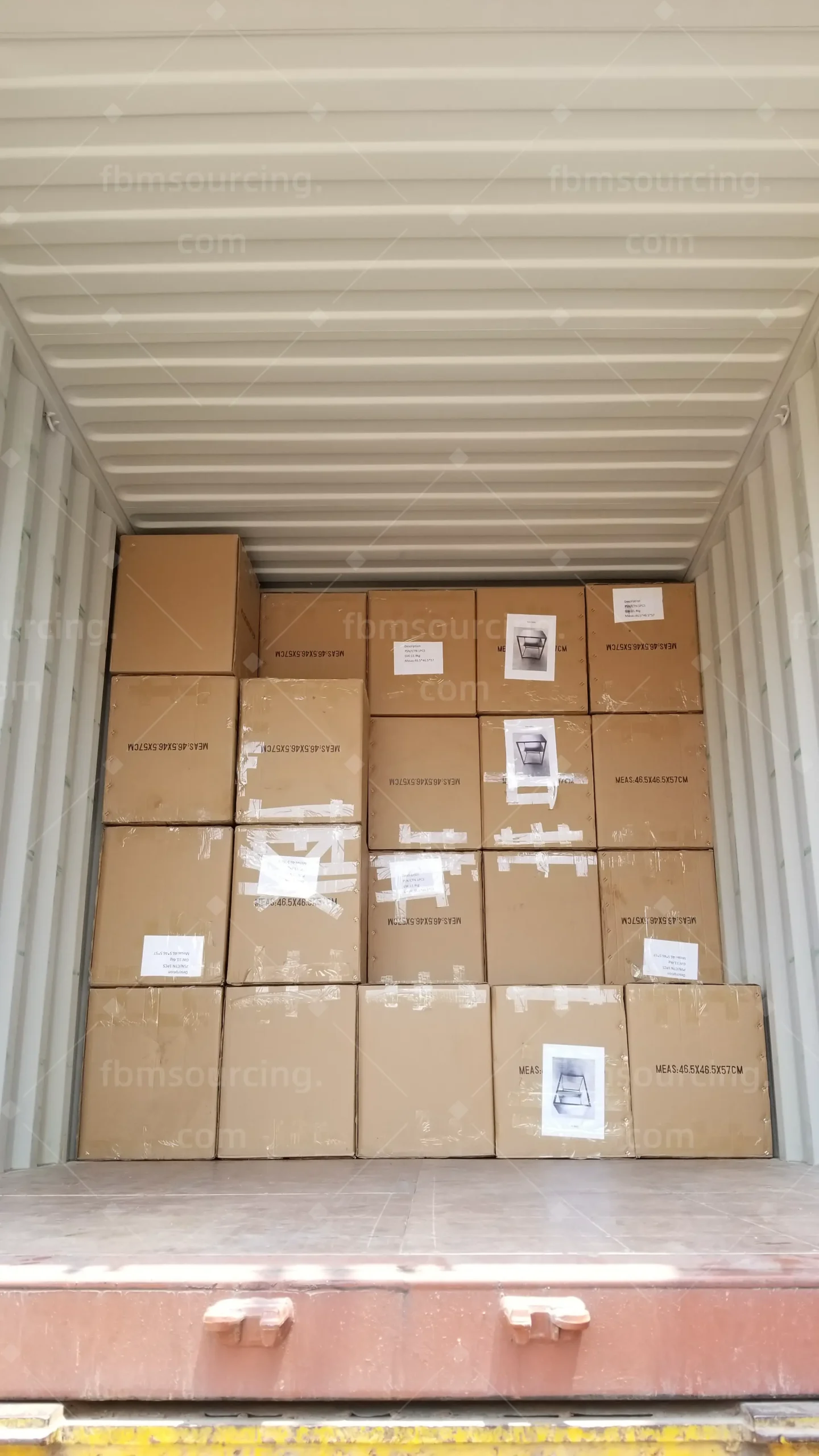
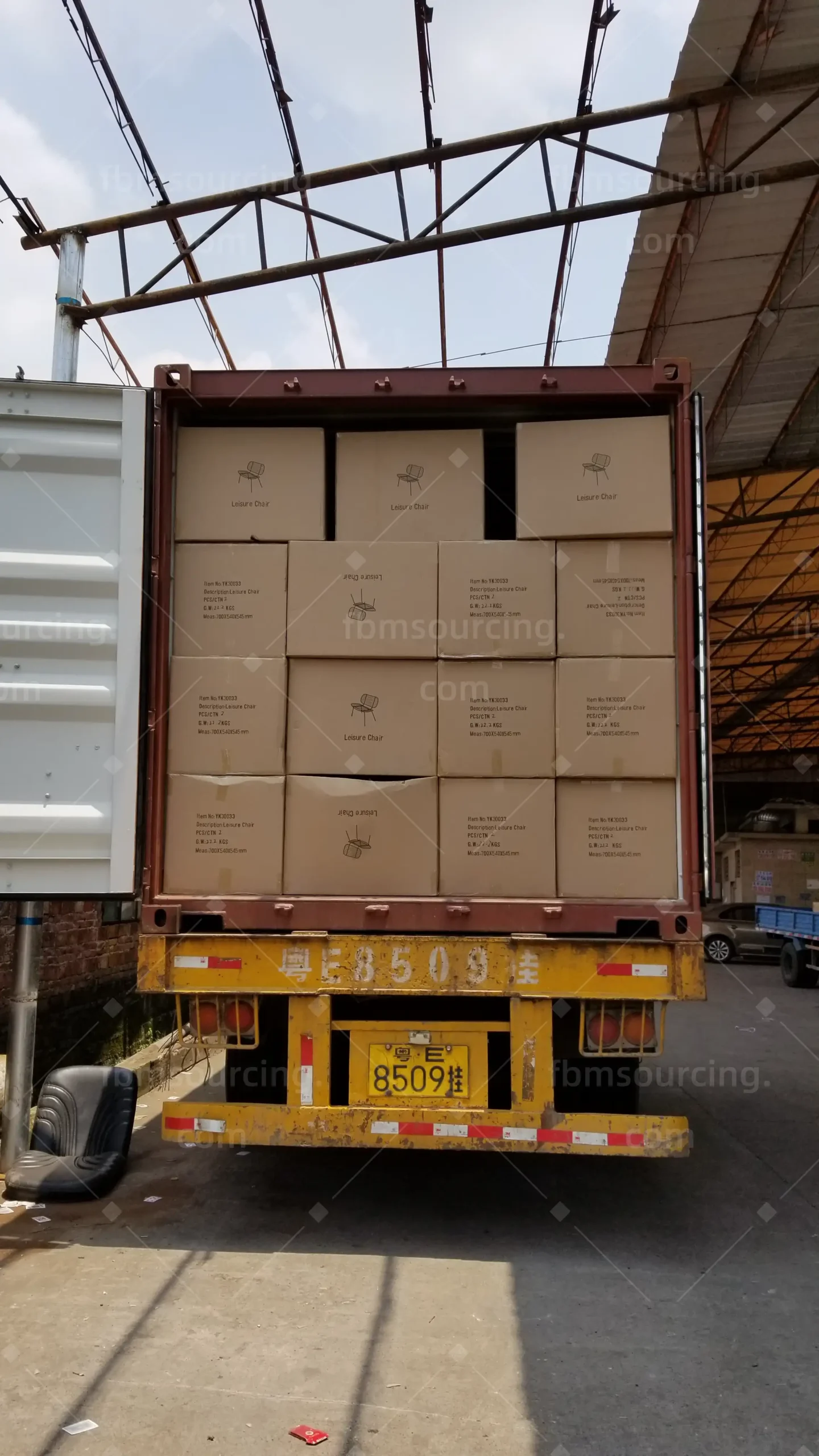
After the goods passed inspection, FBM Sourcing arranged container loading and export shipment. We prepared a professional loading report and shipping documents for customs clearance at the destination port. Shipping and container planning started early, because we estimated volume and weight during the order stage to make sure the full 40HQ container could be used efficiently.
Our team checked container condition, supervised loading order, recorded loaded goods, and made sure cartons were arranged safely. Metal furniture can be damaged by friction, pressure, or poor stacking, so carton condition and loading sequence matter during international cargo shipping.
We provided loading photos, shipment information, and export documents to the client. This gave the buyer visibility before the container left China and helped connect the factory production records with the final shipment.
The loading photos in this section show the final export stage of the project. They complete the workflow from requirement confirmation, trusted factory selection, purchase contract, production follow-up, quality inspection, and container loading.
After shipment, FBM Sourcing remained available for documentation and after-sales communication. If a question appeared during customs clearance, receiving, or installation, the client could refer to the purchase file, inspection records, and loading report. This is how a structured China sourcing process supports commercial furniture procurement beyond the factory gate.
The loading record also helped the client prepare for receiving. When goods from China arrive at the destination port, clear shipment information reduces confusion and supports faster handover to the project team. For a commercial fit-out order, that visibility can be just as important as the factory price.
This workflow can be adapted to other metal furniture, hospitality furniture, apartment furniture, outdoor furniture, and project FF&E procurement needs. The same steps apply: confirm requirements, choose the right factory, document the order, follow production, inspect quality, supervise loading, and support the buyer after shipment.