Overview of the Project
Purchased Products
- Floor Tiles & Flexible Ceramics
- Sanitary Ware & Bathroom Fittings
- Aluminum Windows & Doors
- Fire-Rated Wooden & Steel Doors
- Built-in Wardrobes & Cabinets
- Hotel Bedding, Linen & Mattresses
- Railings, Awnings & Outdoor Furniture
- Air Conditioning & PE Flooring
Project Background
FBM Sourcing acted as the single consolidated sourcing partner for this Florida hotel project — coordinating 14+ building material and FF&E categories from separate China factories into one inspected, sequenced procurement package.
A luxury boutique hotel new-build in Florida required a single procurement partner able to cover both the structural building material package and the complete FF&E package from China. The scope ran to 14+ product categories — floor and ceramic tiles, sanitary ware, aluminum window and door systems, fire-rated wooden doors, built-in wardrobes and cabinets, hotel-grade mattresses, bedding and linen, balcony railings, awnings, outdoor umbrellas and furniture, PE flooring and wall panels, and air conditioning — shipped in 7 containers to the US East Coast. FBM Sourcing managed the package end to end as the project’s china sourcing agent and sourcing partner: factory qualification, sample control, production scheduling, QC inspection and consolidated container loading.
For a hotel developer, the arithmetic behind a package like this is simple but unforgiving. Fourteen categories bought separately means fourteen supplier relationships, fourteen packing standards and fourteen chances for one late factory to hold the opening date. Bought as one controlled package, the same scope arrives in coordinated containers, inspected against one standard, documented for the contractor and the building inspector. That difference — not unit price — is why hotel projects engage a building material sourcing agent rather than buying factory by factory.
The categories in this package map directly onto what most hotel new-builds need from China: wet-area materials (tiles, sanitary ware, mirrors, PE wall panels), envelope and openings (aluminum windows and doors, fire-rated wooden doors), casegoods and joinery (built-in wardrobes, vanity and room cabinets), sleep products (hospitality mattresses, bedding, linen) and the outdoor amenity package (balcony railings, awnings, market umbrellas, terrace furniture). Air conditioning units completed the scope. Buying this mix from China only works on like-for-like specification — but only when specification, certification and QC are controlled from the factory side, which is precisely the sourcing agent’s role.
Florida hotel projects add a layer of material requirements that inland US projects do not face. Coastal counties — including Miami-Dade and Broward, which fall inside Florida’s High-Velocity Hurricane Zone (HVHZ) — require aluminum windows and doors tested to ASTM E1996/E1886 impact standards and carrying a Miami-Dade Notice of Approval (NOA) or Florida Product Approval number before installation. Outside the HVHZ line, the Florida Building Code still requires wind-load-rated glazing matched to the site’s design wind speed. On this project, the aluminum window and door package was ordered against the contractor’s structural engineer’s wind-load and impact specification, with test reports and NOA documentation packaged alongside the QC report so the general contractor could submit for local permitting without delay. Railings, awnings and outdoor furniture were specified in powder-coated aluminum and marine-grade stainless hardware rather than mild steel, to withstand the salt-air corrosion common to South Florida and Miami-area coastal sites over the building’s service life.
| Category Group | Scope Supplied |
|---|---|
| Floor & Wall Finishes | Floor and ceramic tiles, PE wall panels and flooring |
| Bathrooms & Wet Areas | Sanitary ware and bathroom fittings |
| Building Envelope | Aluminum windows and doors (HVHZ impact-rated), fire-rated wooden and steel doors |
| Casegoods & Joinery | Built-in wardrobes and cabinets |
| Guest Room FF&E | Hotel-grade mattresses, bedding and linen |
| Outdoor Amenity | Balcony railings, awnings, outdoor umbrellas and furniture (powder-coated aluminum, marine-grade stainless hardware) |
| Building Systems | Air conditioning |
14+ product categories consolidated into 7 containers shipped to the US East Coast. Scope and quantities reflect this project's actual purchase order.
Project Type
Hotel
Location
Florida, USA
Project Highlights
14+ Categories | 7 Containers
Project Delivery Time
2021
How It Works?
Understanding Client Needs
With 14+ product categories spanning construction materials and FF&E, the planning phase required careful alignment with both the hotel design team and the project contractor. The client provided specification sheets, material sample boards and installation drawings for every category. FF&E items such as mattresses, bedding and bathroom fittings were specified to brand-equivalent hospitality standards; building materials including fire-rated doors, aluminum window systems and tiles had to satisfy US code requirements and Florida’s wind and humidity conditions.
Every category was translated into a China-side sourcing specification: materials, dimensions, finishes, performance certificates, packing standard and target factory profile. This document set became the single reference for quoting, sampling and inspection — so that what the design team drew, what the factory quoted and what the QC team measured were always the same thing. Commercial-grade specification discipline is what separates hotel procurement from retail buying; we cover the difference in our guide to commercial-grade vs residential furniture.
Two Florida-specific constraints shaped the specification work. First, wind and impact requirements: exterior aluminum systems, railings and awnings were specified against the project engineer’s wind-load requirements before any factory was approached, because retrofitting a non-compliant window system after arrival is effectively a repurchase. Second, humidity and salt exposure: board materials were specified with moisture-resistant substrates and exterior metals with coastal-grade coating systems. Setting these parameters at specification stage — not at inspection stage — is what keeps a 14-category package from producing 14 rounds of clarification emails during production.
Market Sourcing and Factory Selection
Our sourcing team worked across China’s specialised manufacturing regions rather than through one trading company. Floor and ceramic tiles came from Foshan tile factories; sanitary ware from established Guangdong sanitaryware suppliers; aluminum window and door systems from certified extruders with US export experience; fire-rated wooden doors from manufacturers with valid fire-rating documentation; wardrobes, cabinets and hotel furniture from Guangdong panel and furniture factories; awnings, railings and outdoor products from dedicated metal and outdoor specialists.
Quotations were normalised to the project specification so the client compared identical scopes, not each factory’s house standard. Where two factories tied on price, preference went to the one with the stronger hotel project record.
Certification screening ran alongside commercial screening. Fire-rated doors required test documentation matching the project’s rating requirements; board-based cabinetry had to meet formaldehyde emission standards appropriate for US delivery (the E1/CARB landscape we summarise in formaldehyde standards for China cabinets); glass in doors, windows and railings needed safety-glass certification. Factories that could not produce current, verifiable certificates were removed from the shortlist regardless of price — on a hotel project, a certificate that fails the building inspector costs more than any factory discount.
Planning a similar commercial project?
FBM Sourcing works with project owners, developers, main contractors and FF&E contractors on hotel, apartment, school, office and other commercial building projects. Send us your BOQ, drawings or product list — our team will review it and get back to you.
Order Confirmation and Production Scheduling
Given the scale of 14+ categories across multiple factories, we prepared a consolidated sourcing tracker for client visibility. Sample requests were placed for all custom items: cabinet panel finishes, tile samples, door profiles, fabric swatches for bedding and upholstery. After client sign-off on samples, purchase orders were issued with staggered production timelines engineered backward from the shipping window — long-lead items such as aluminum window systems and fire-rated doors started first, fast-turn soft goods last.
Every factory in the package was inspected before its goods were released for loading, so nothing shipped until quality had been verified — the sequencing a project buyer needs.
The master schedule mapped every category’s production window against the 7-container loading plan, with weekly status pulled from each factory and consolidated into a single client-facing tracker. Where one factory slipped, the loading plan was rebalanced immediately — the client saw a moving schedule, never a surprise. On a package this size, schedule truth is the scarcest commodity in the supply chain; producing it weekly is a core part of the sourcing agent’s job.
Production Follow-Up and Quality Checks
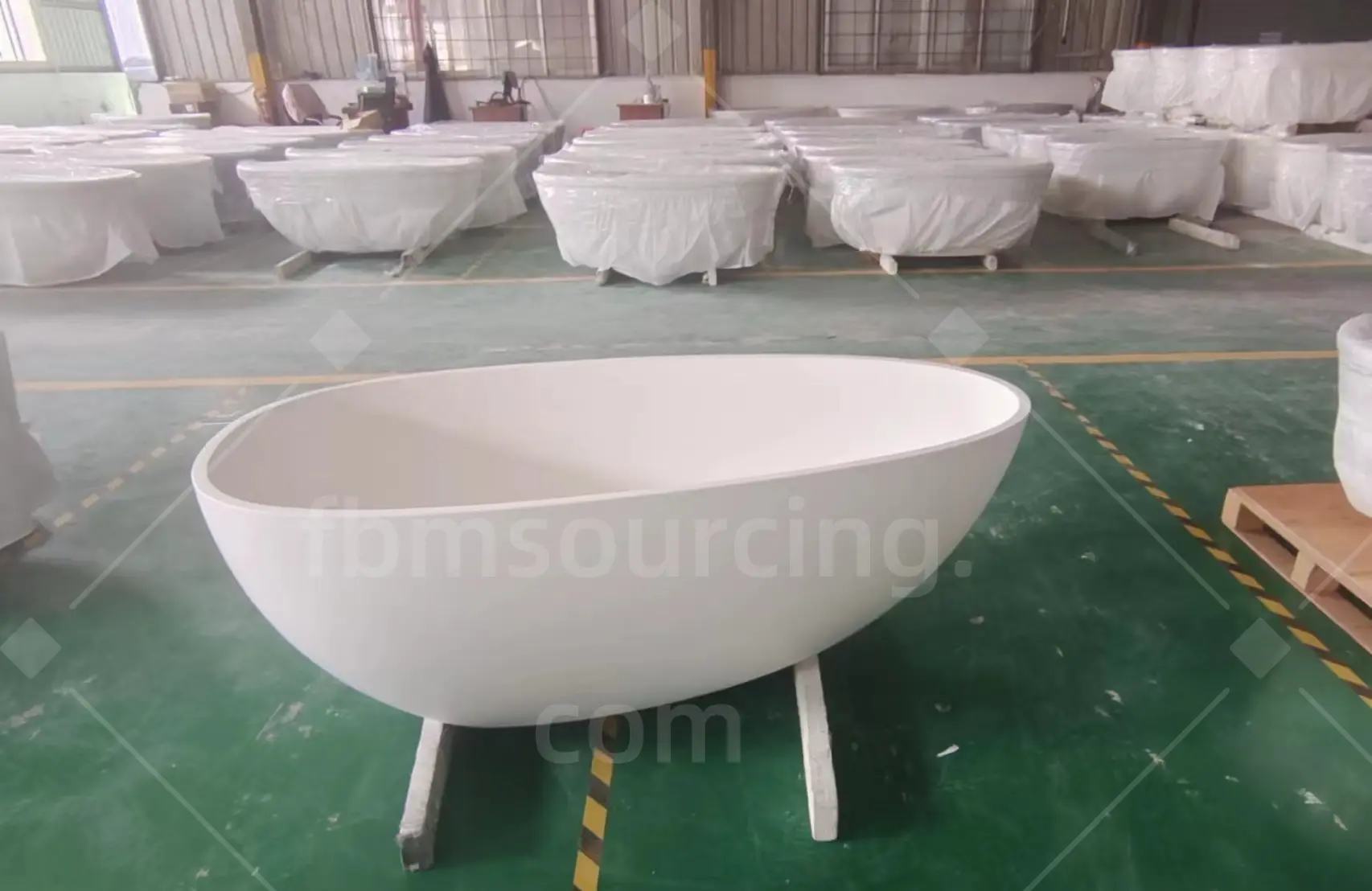
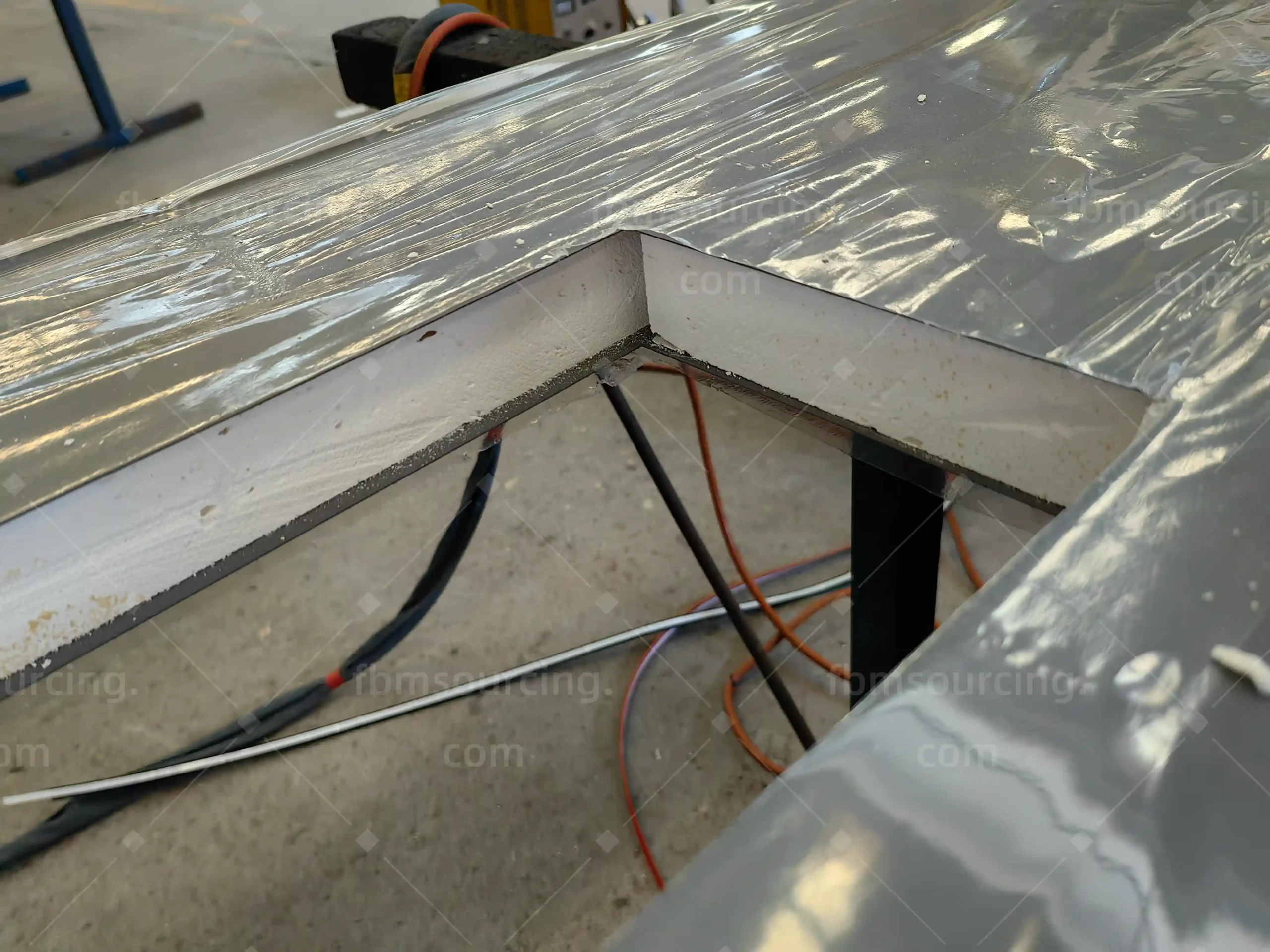
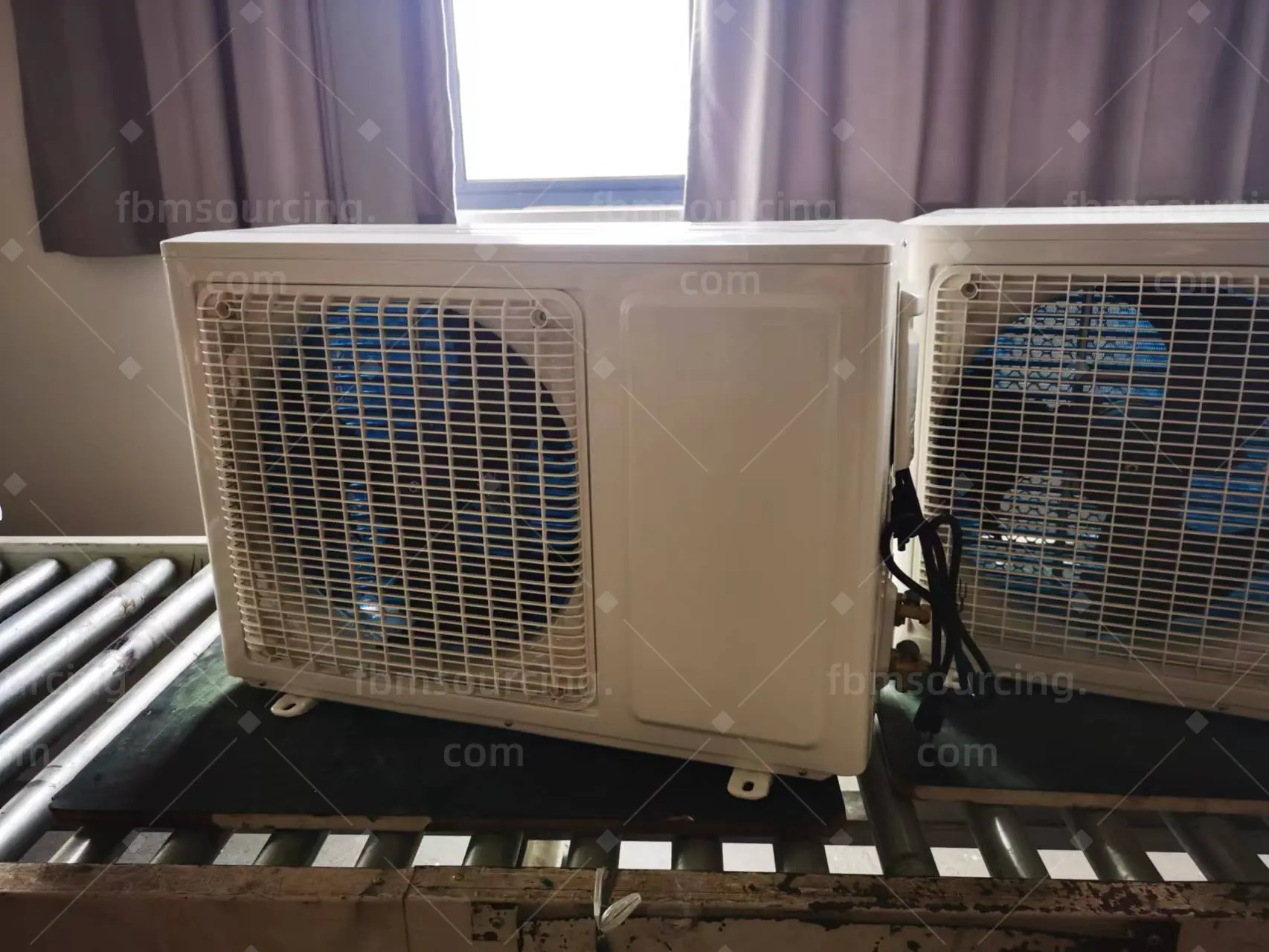
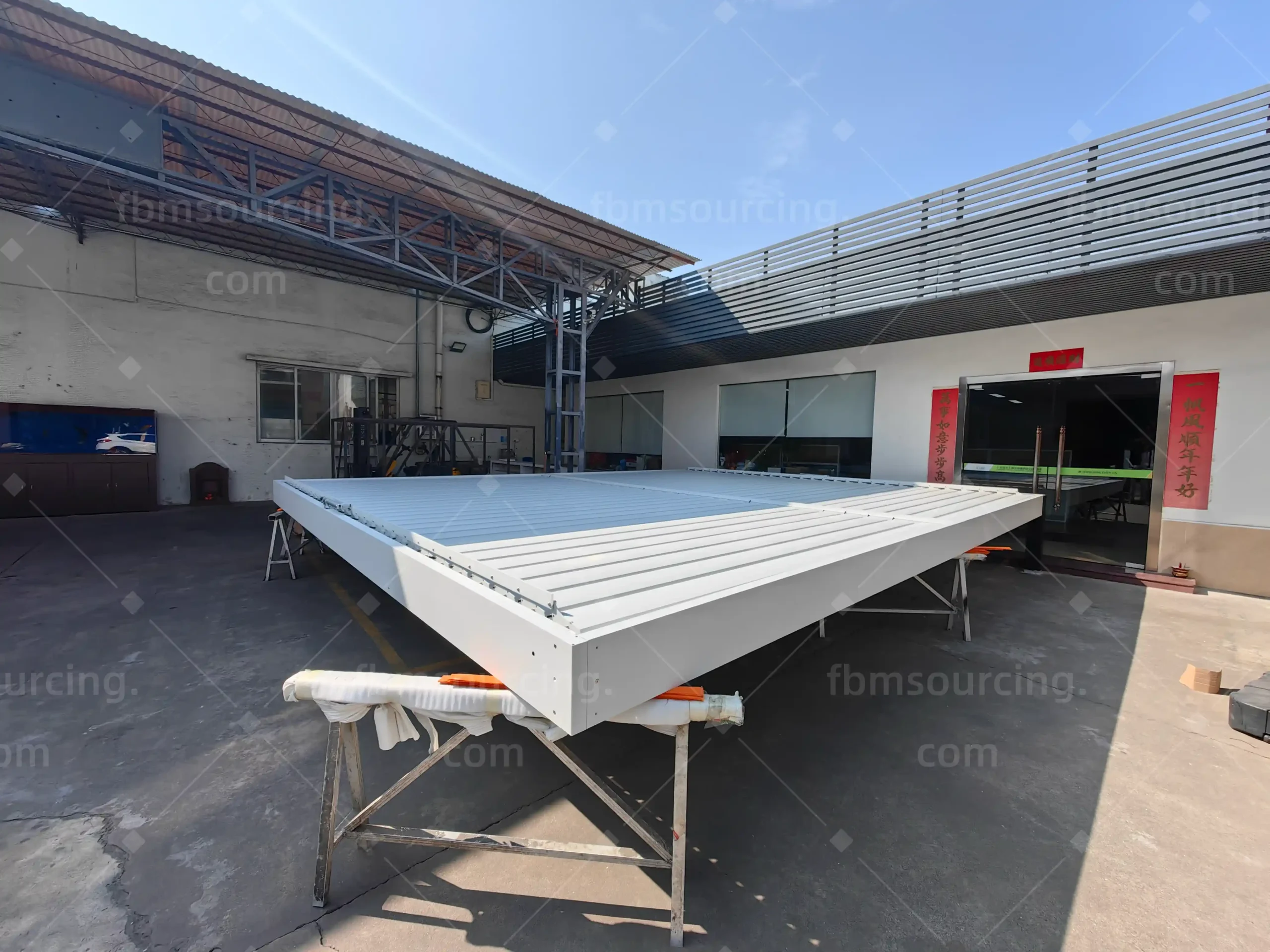
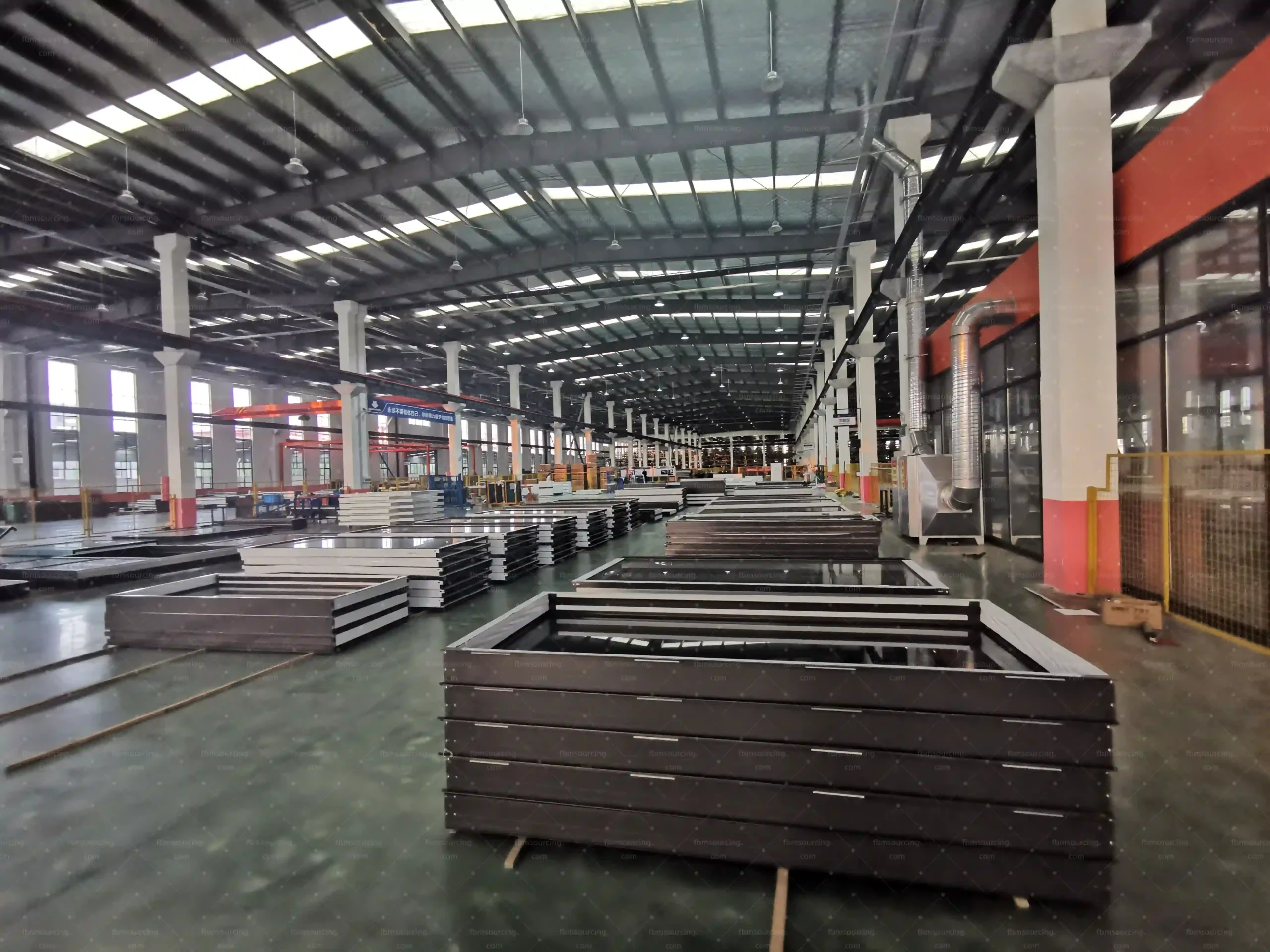
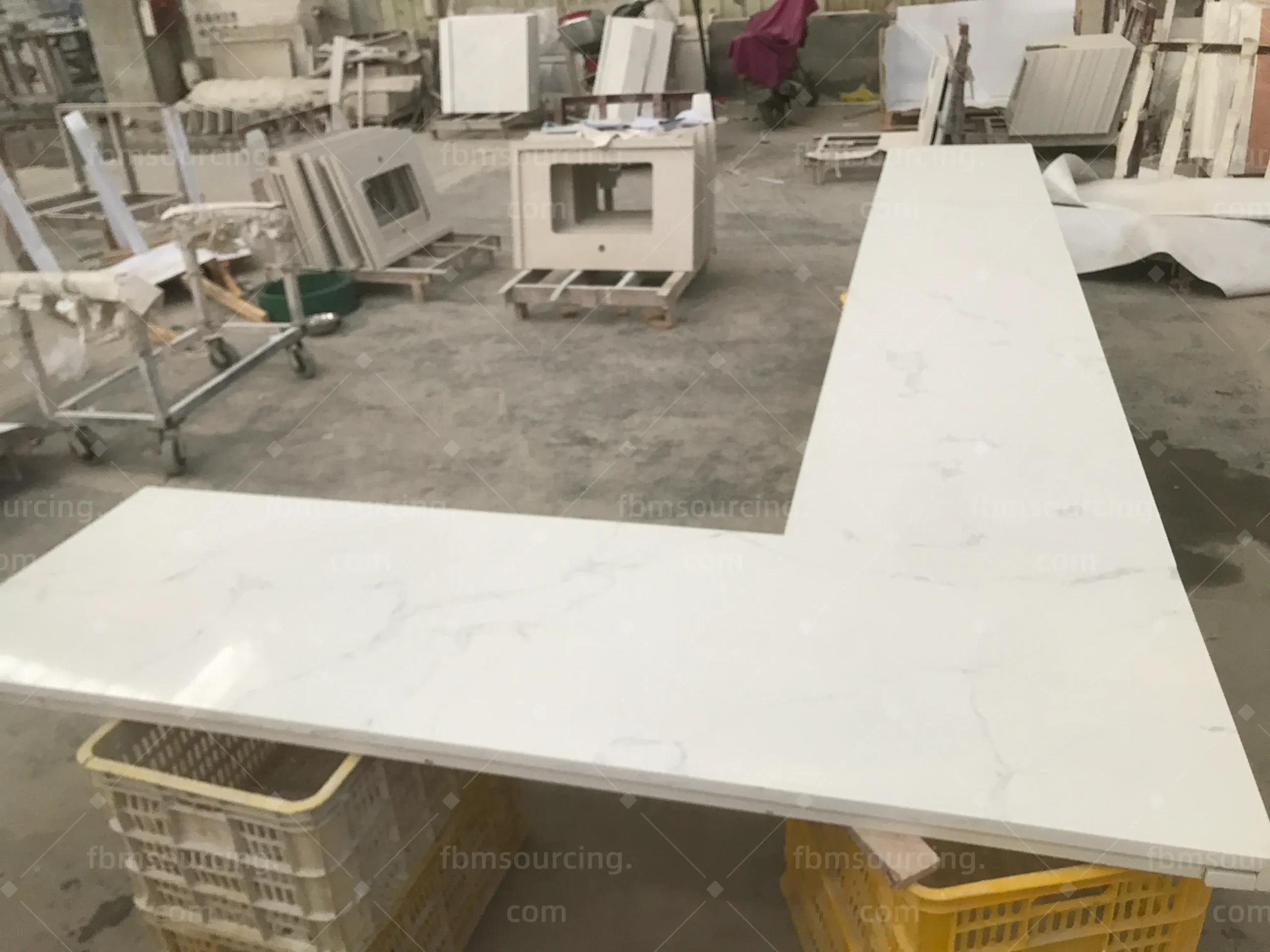
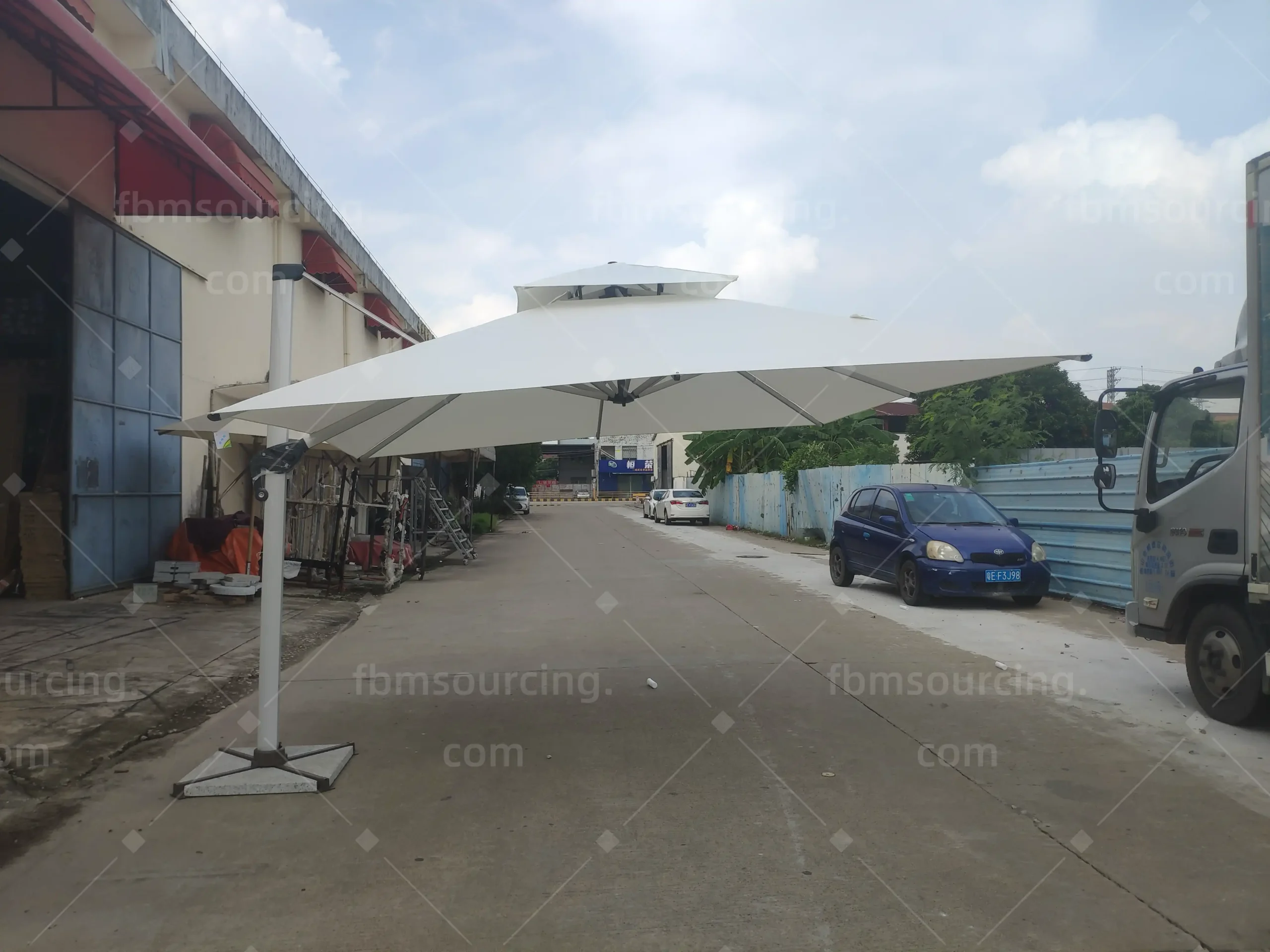
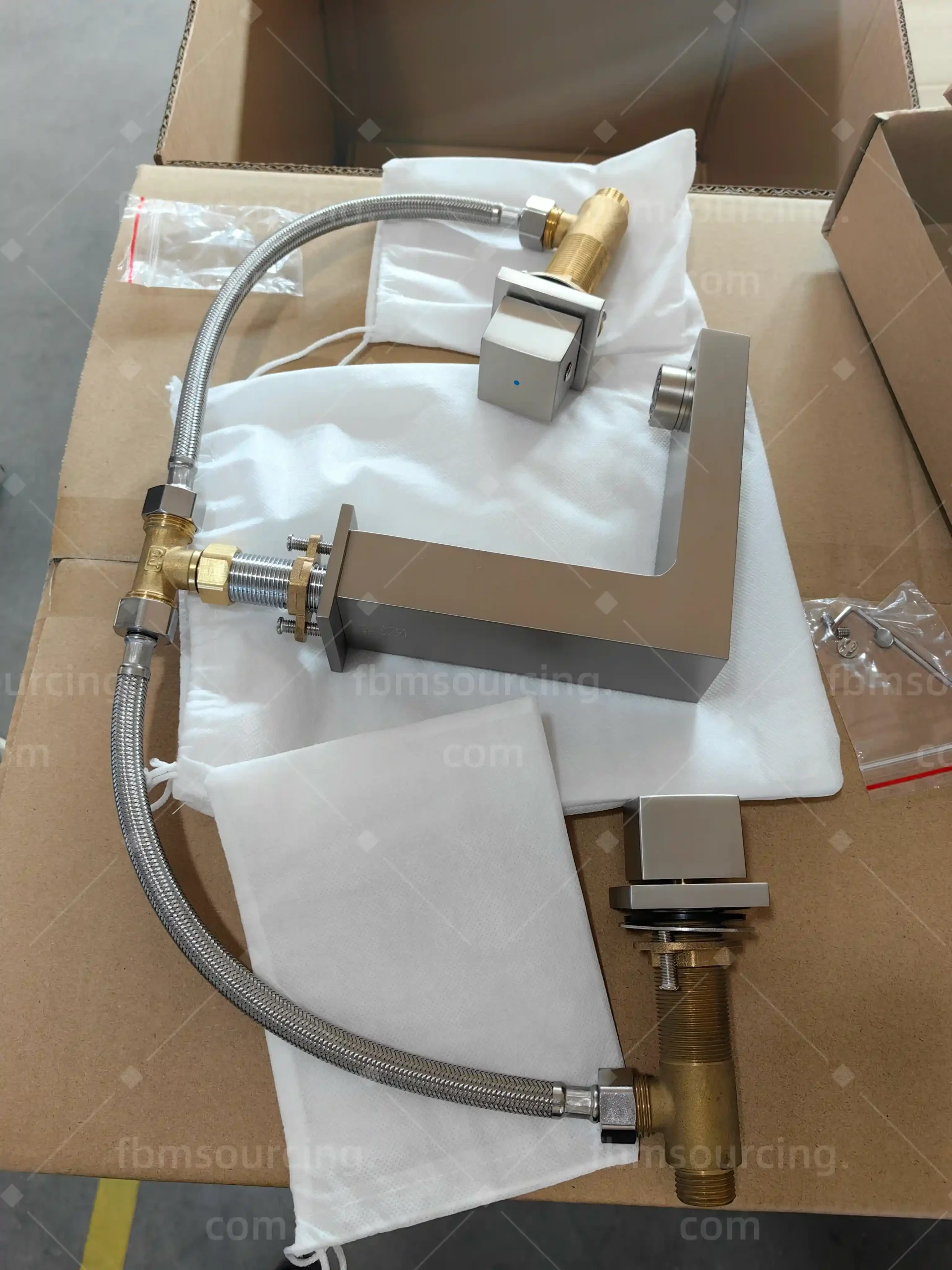
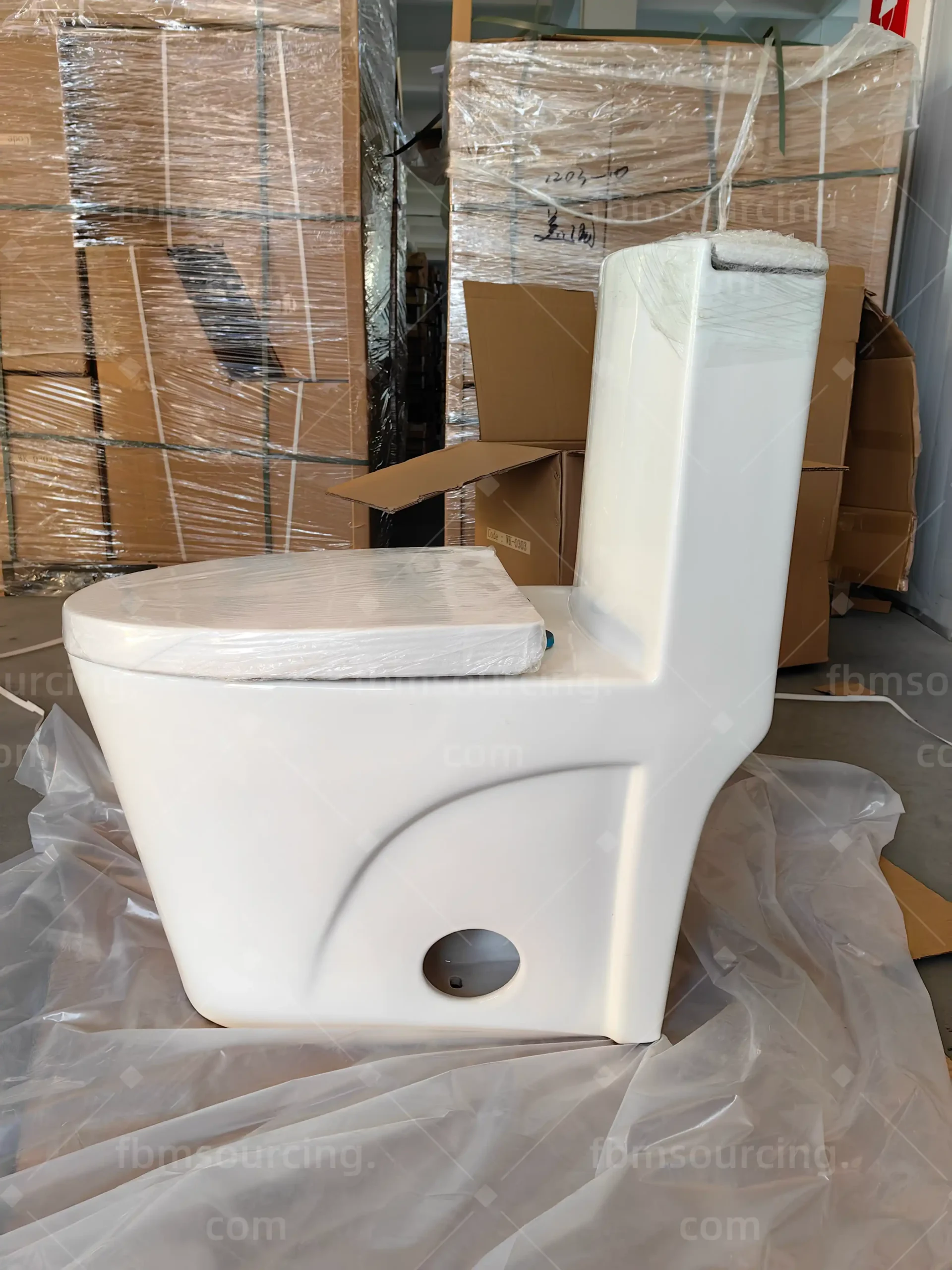
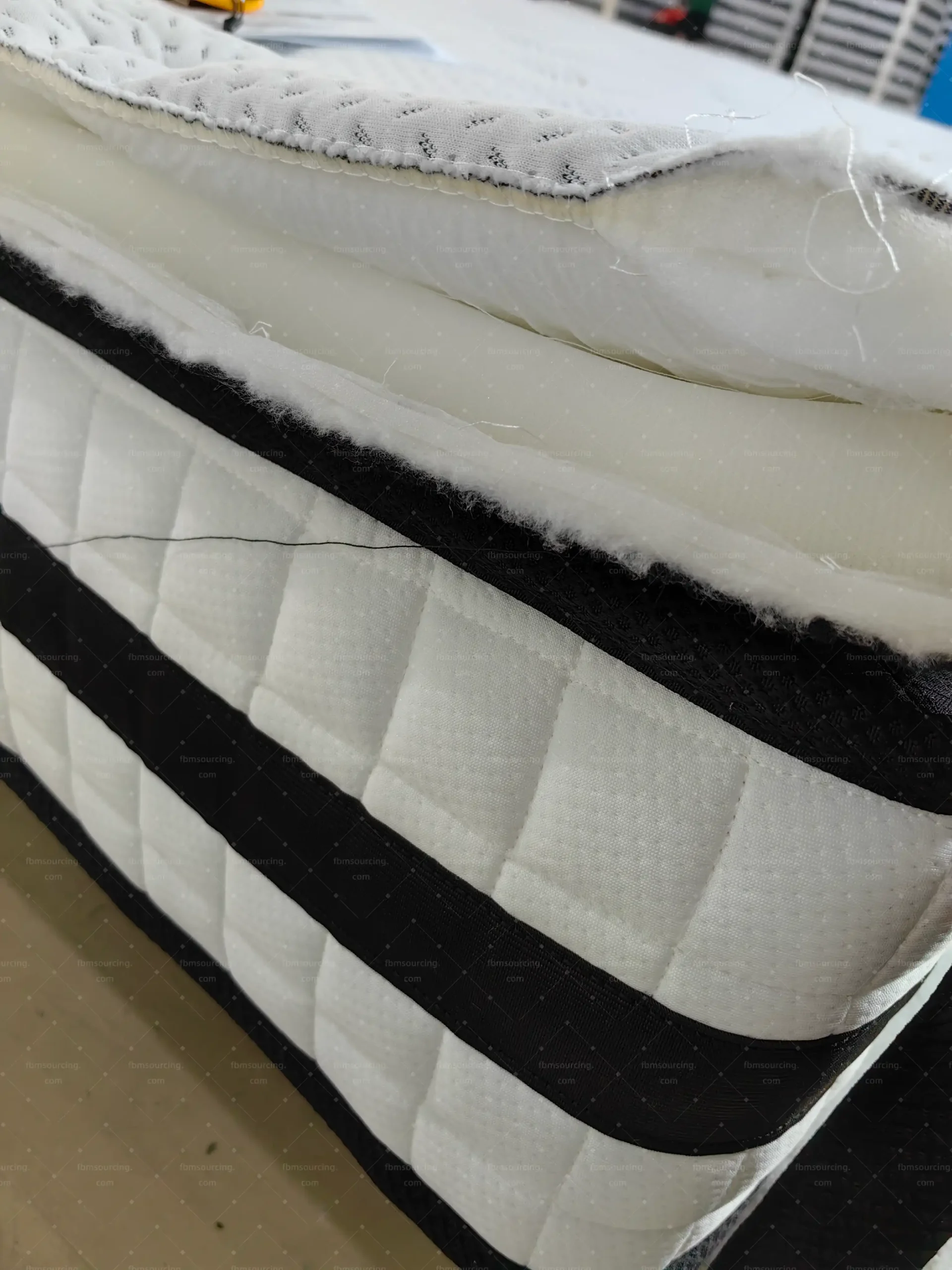
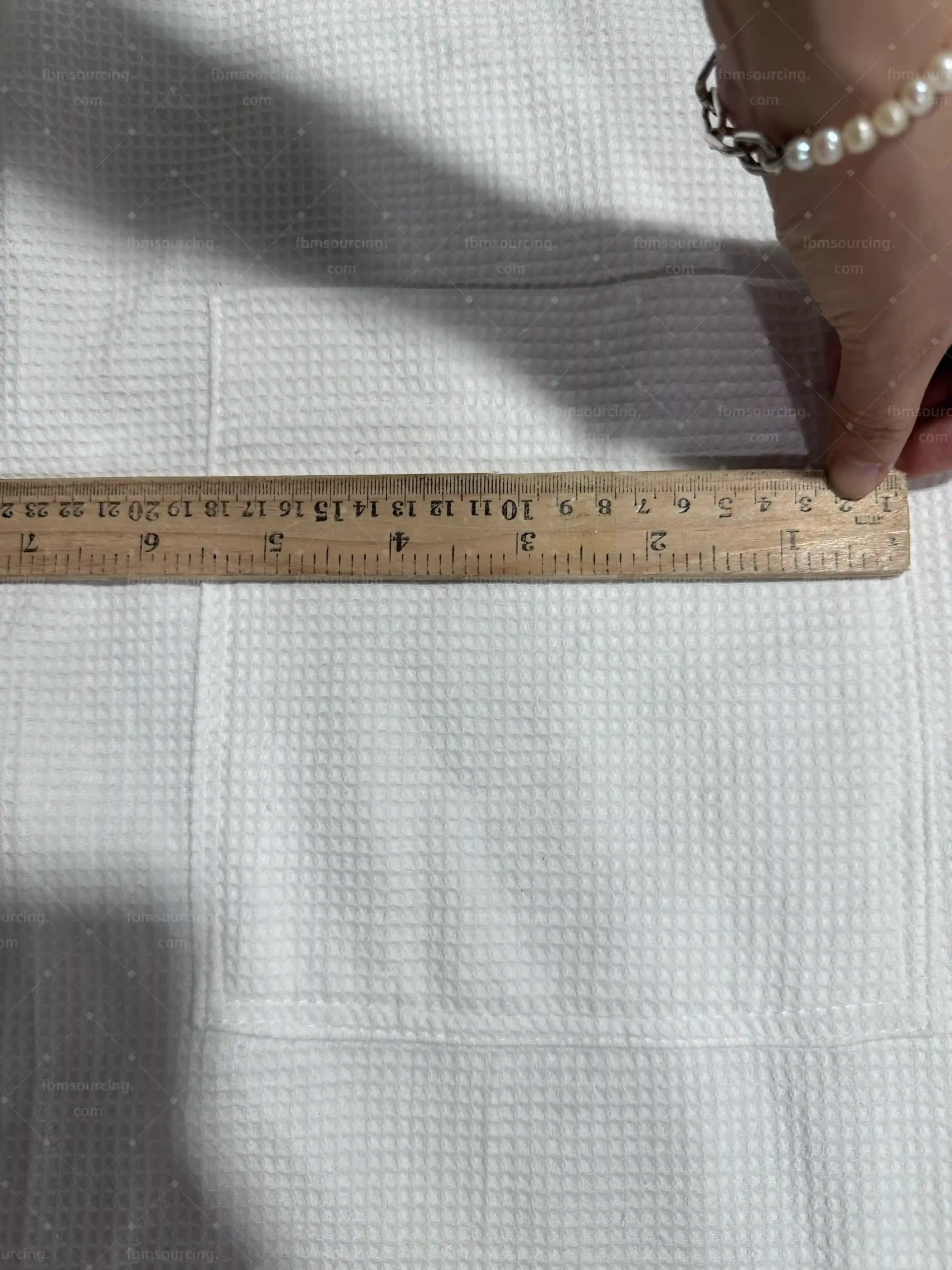
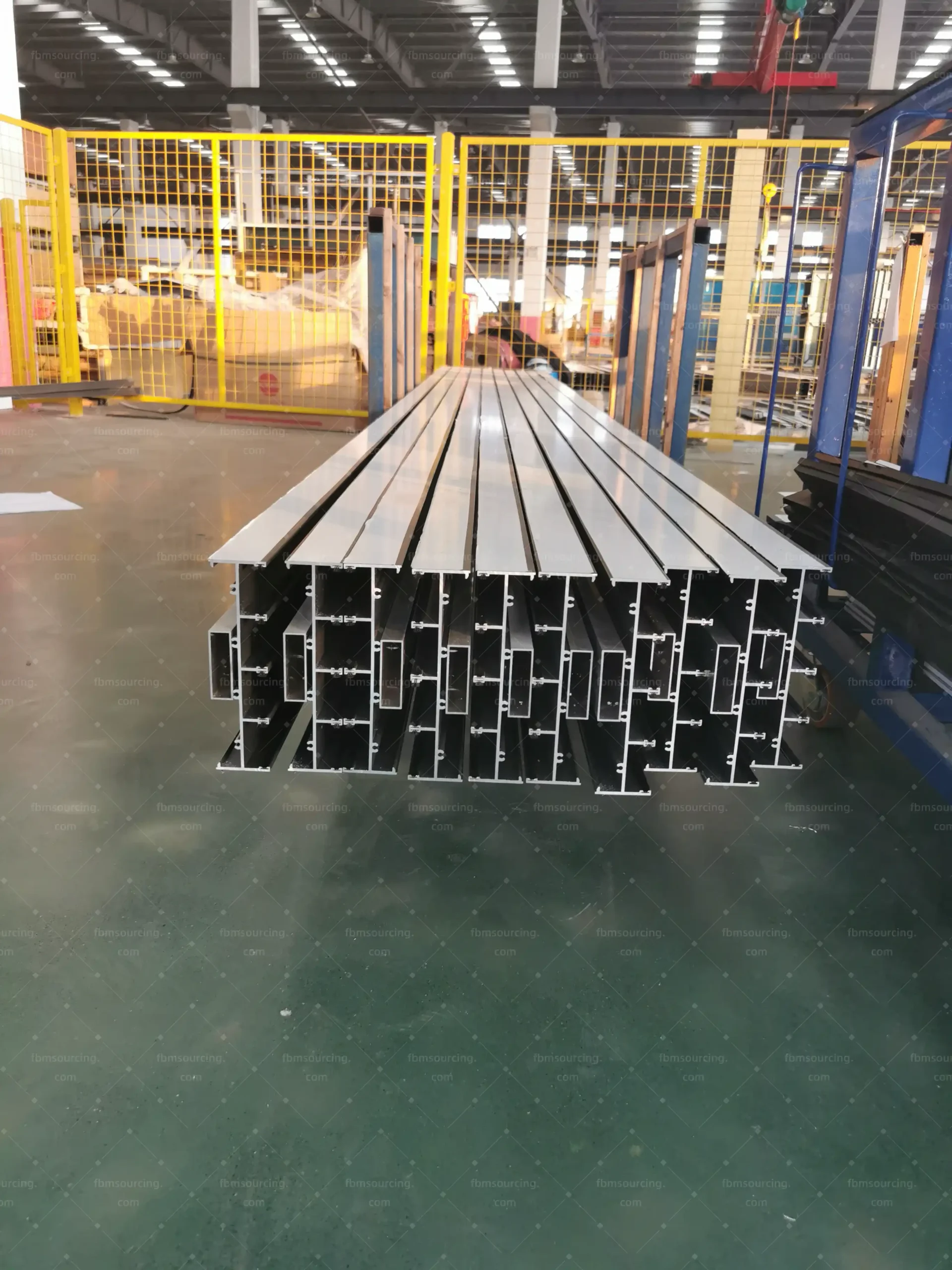
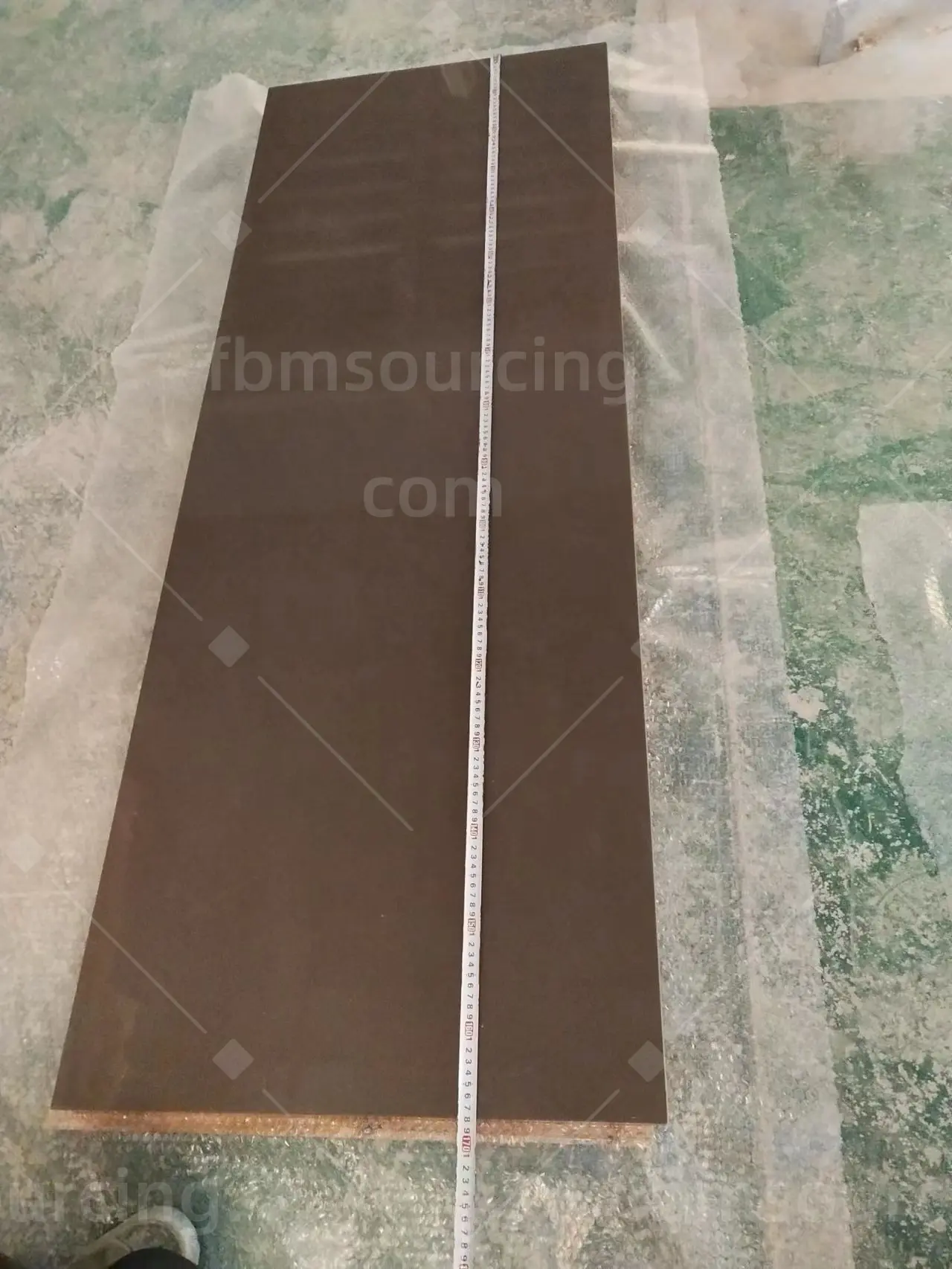
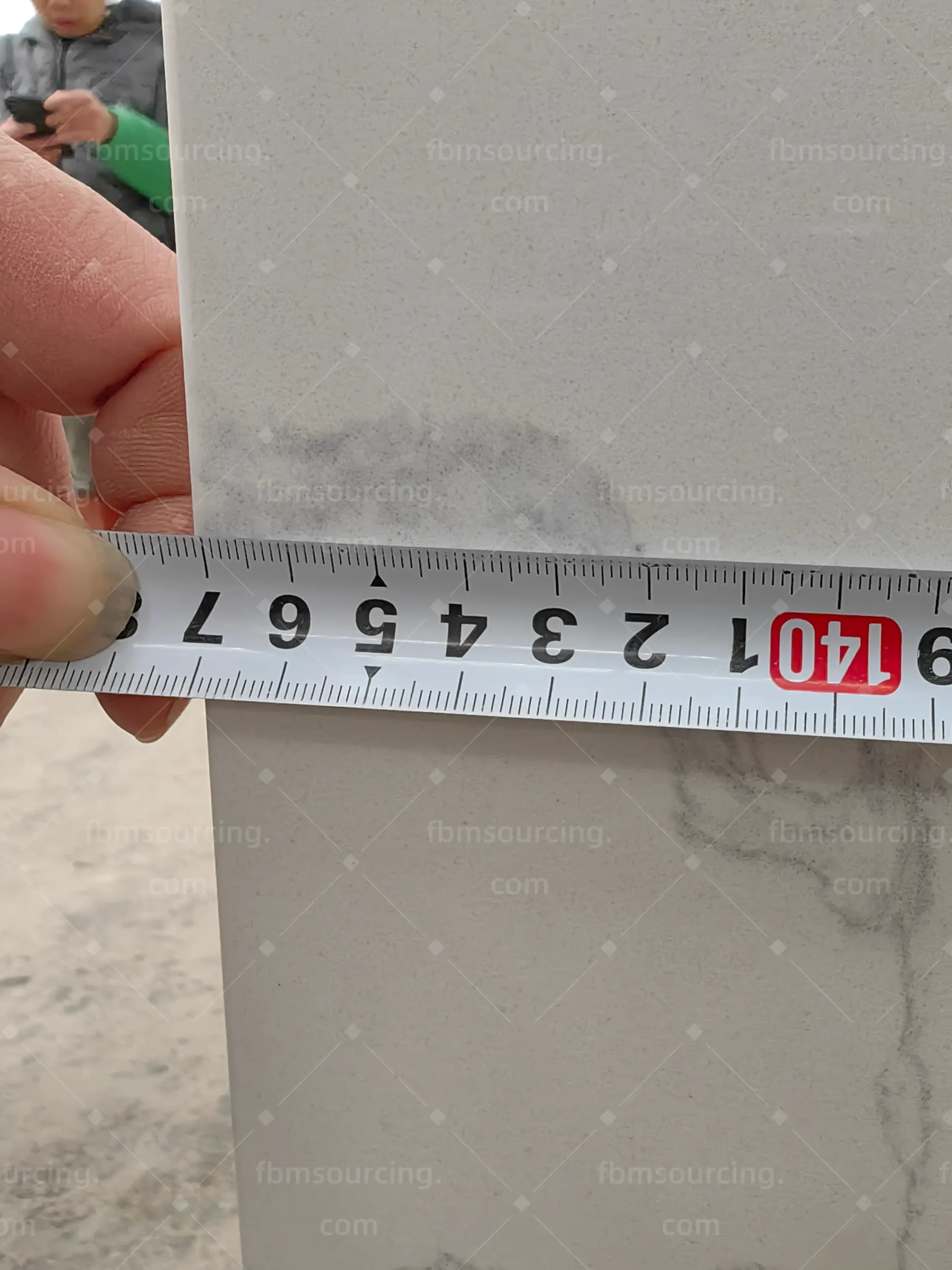
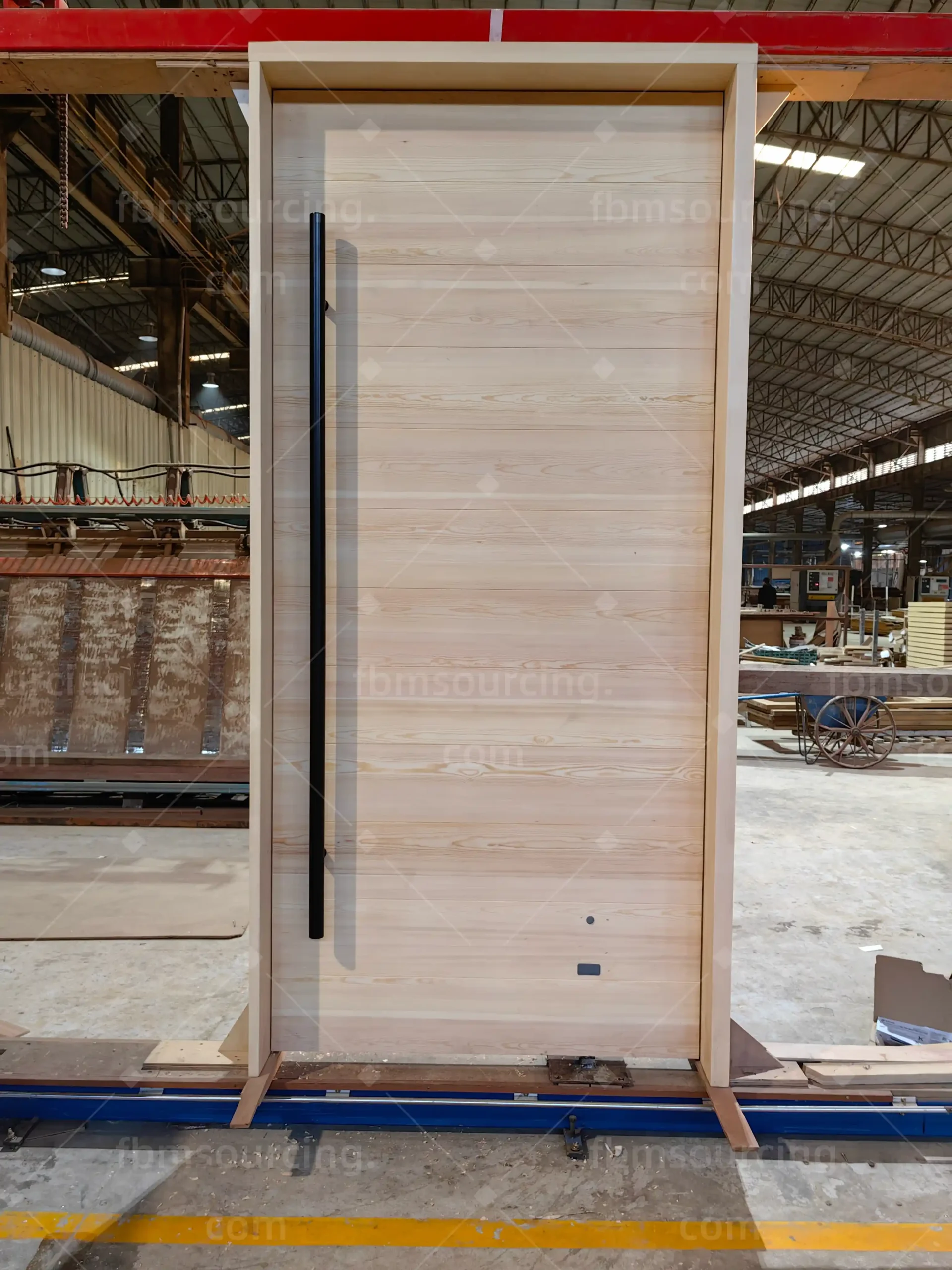
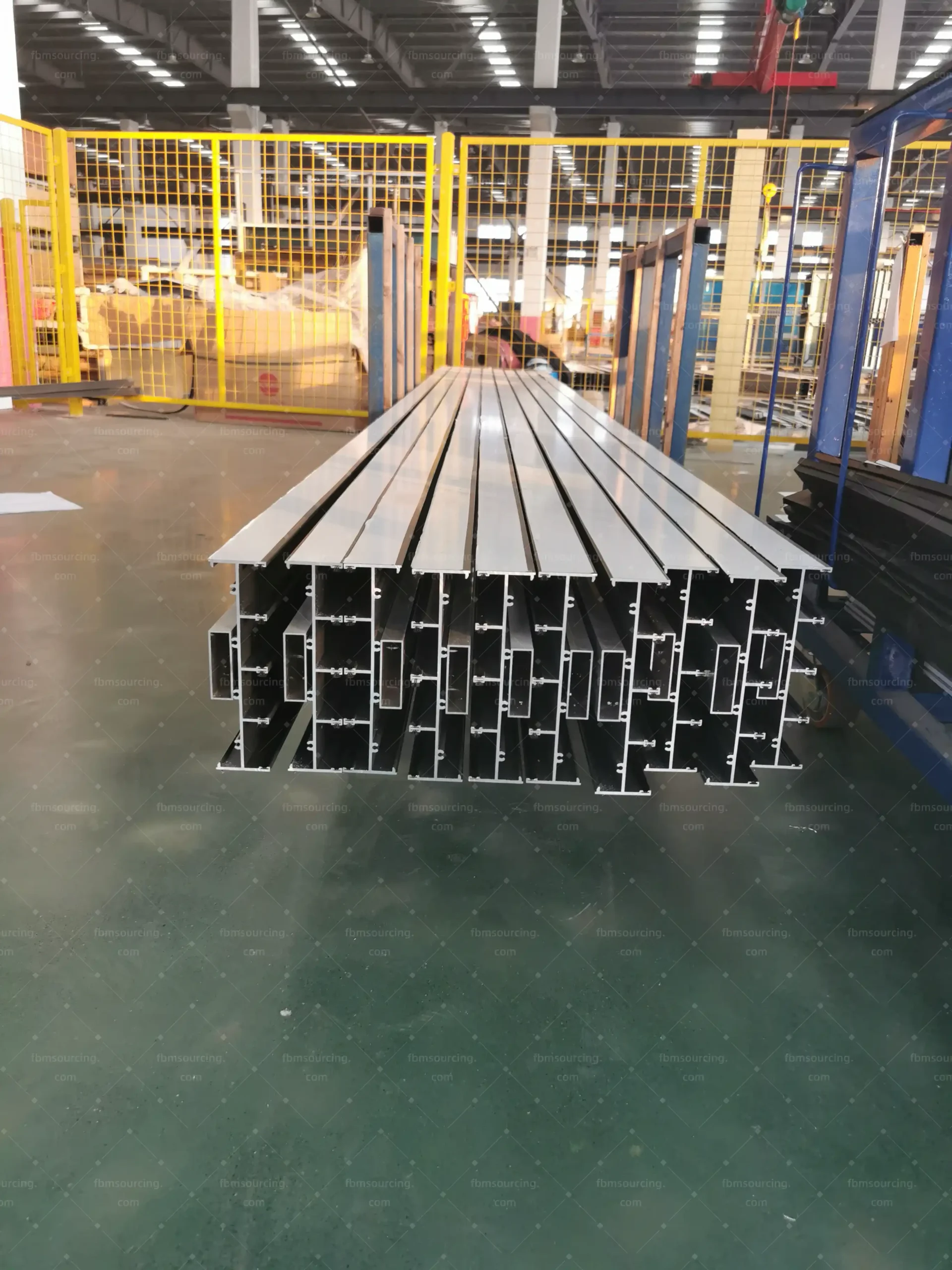
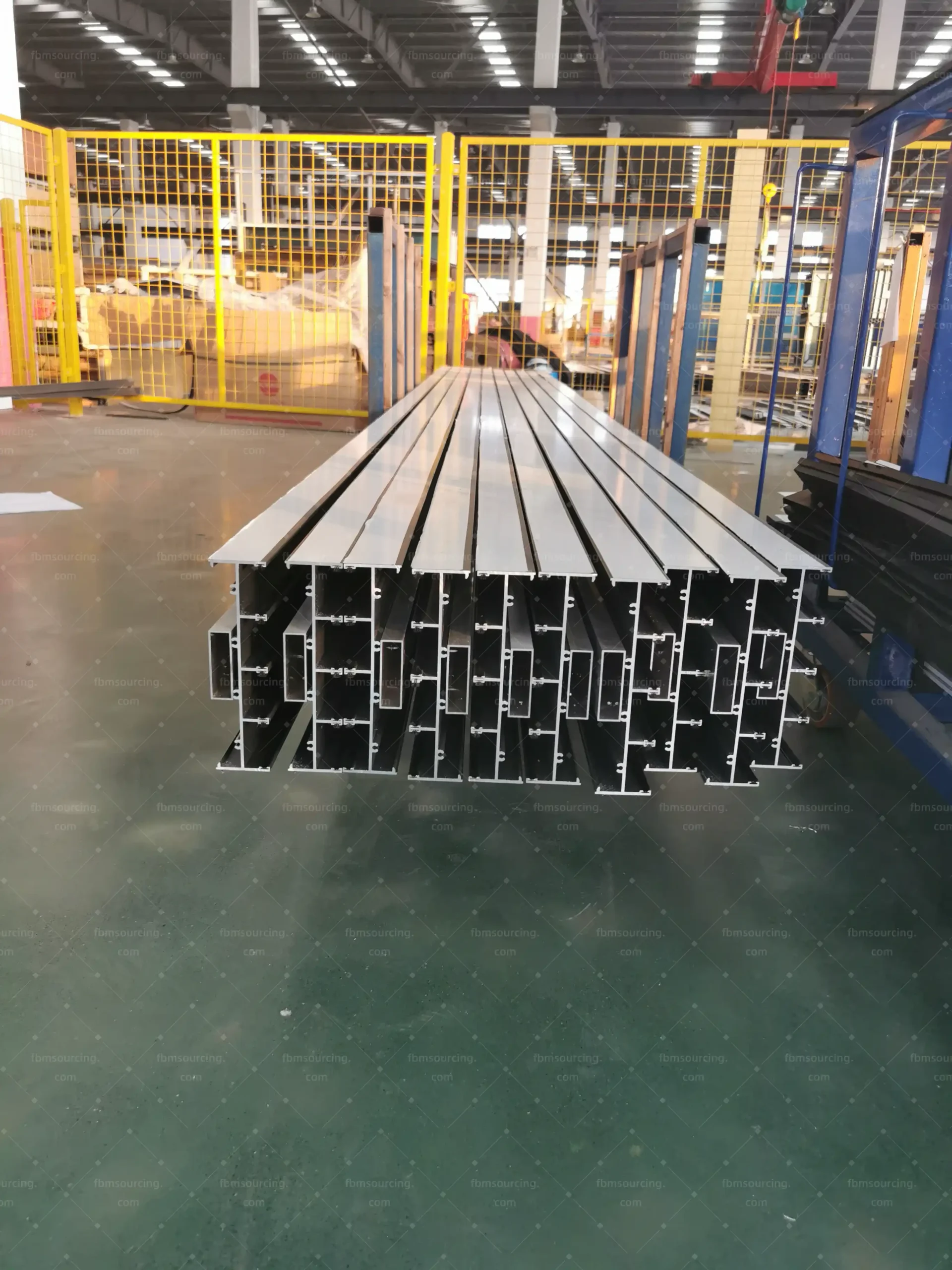
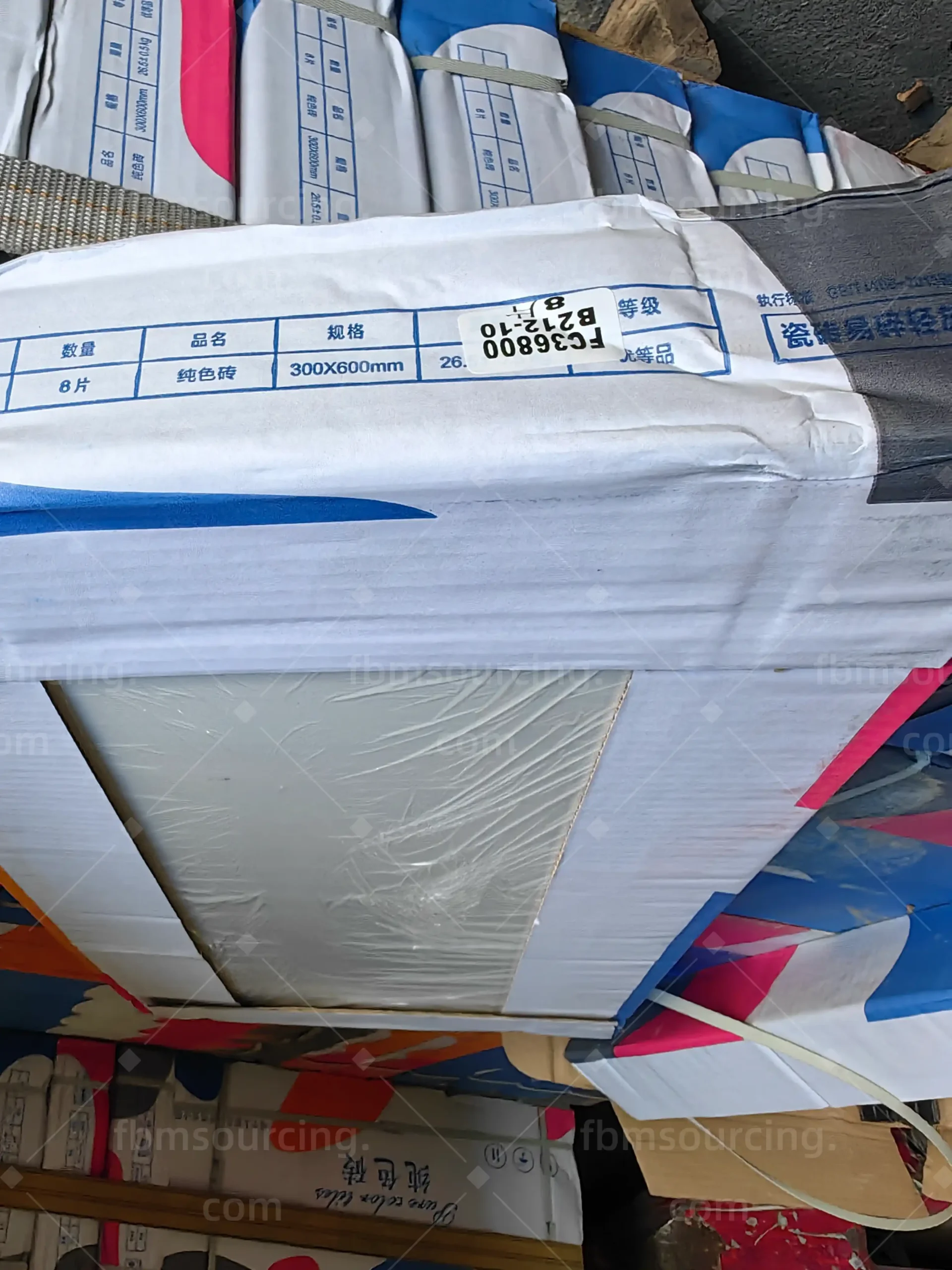
Our QC team visited each major factory at critical milestones rather than relying on a single final check. Ceramic tiles were spot-checked across batches for dimensional consistency, shade variation and surface defects. Sanitary ware — faucets, shower sets, basin fixtures — was unboxed and function-tested at the factory. Fire-rated wooden doors were measured against drawings and their certification documents verified piece by piece. Aluminum window profiles were checked against section drawings; hardware cycles were tested on assembled units. Wardrobes and cabinets were inspected for panel thickness, edge banding and hardware operation; mattresses and bedding for spring structure, foam density and fabric compliance; railings, awnings and outdoor furniture for weld quality, coating and frame stability.
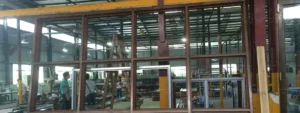
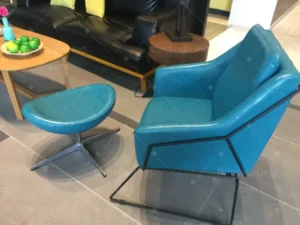
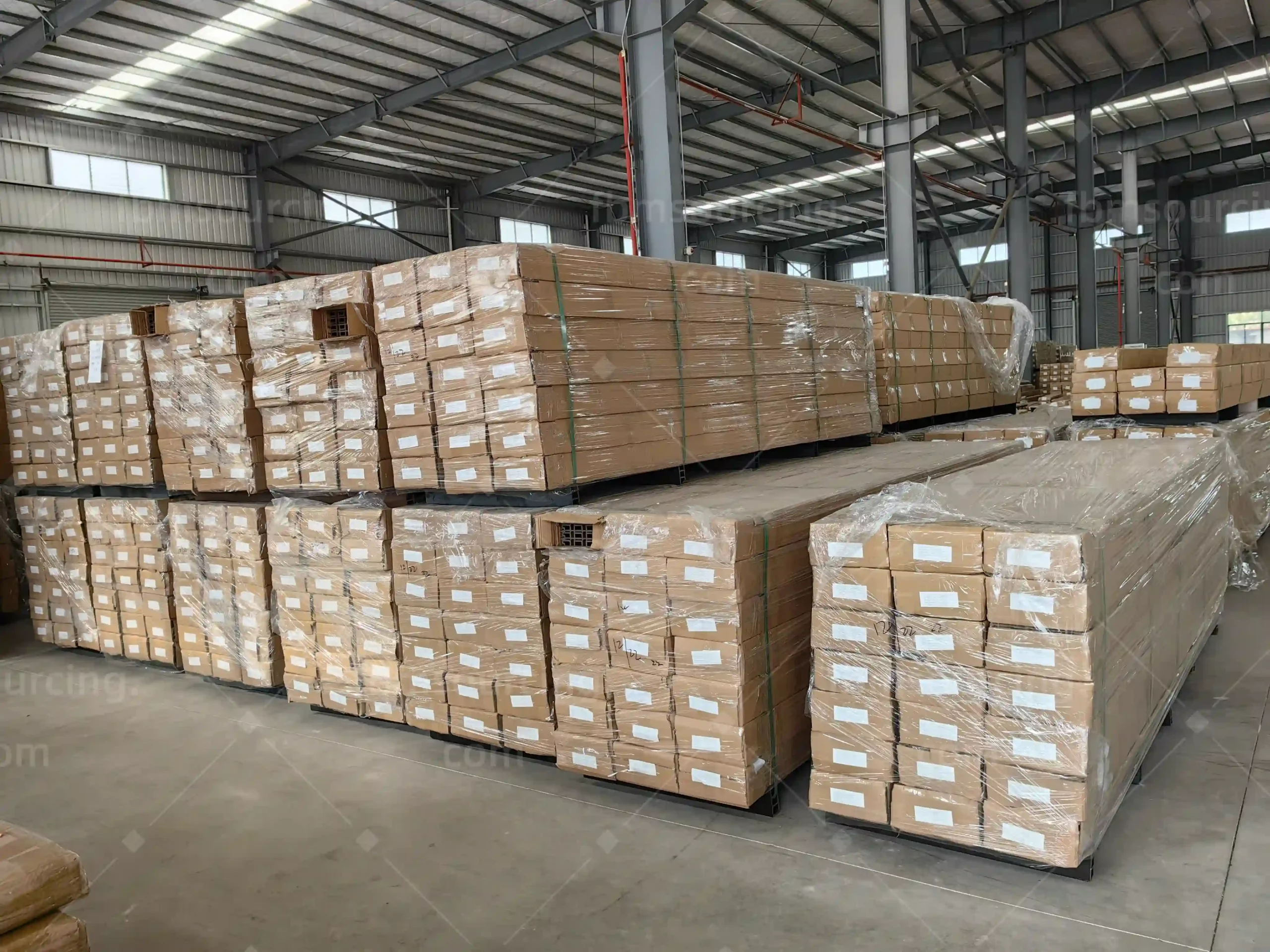
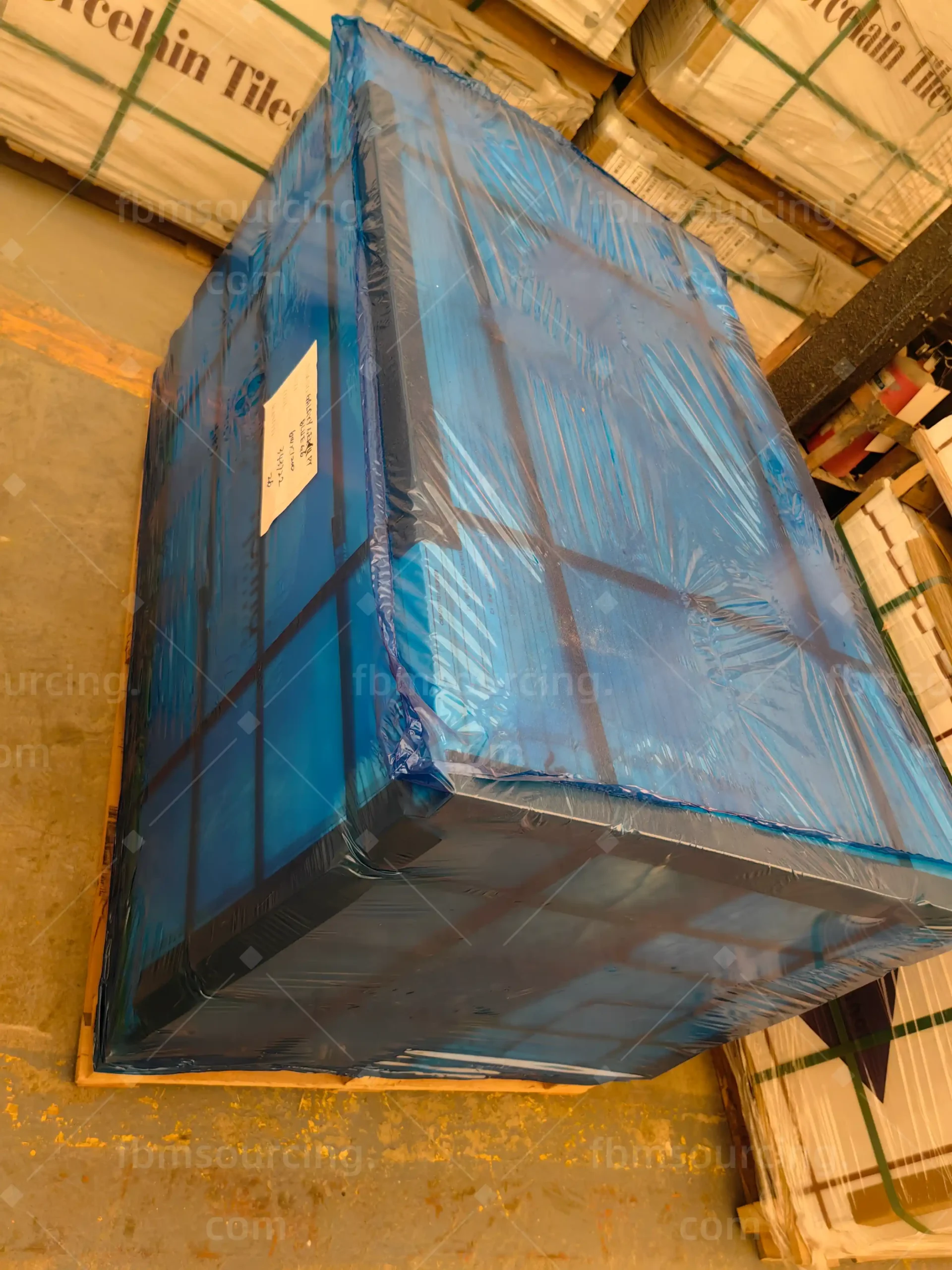
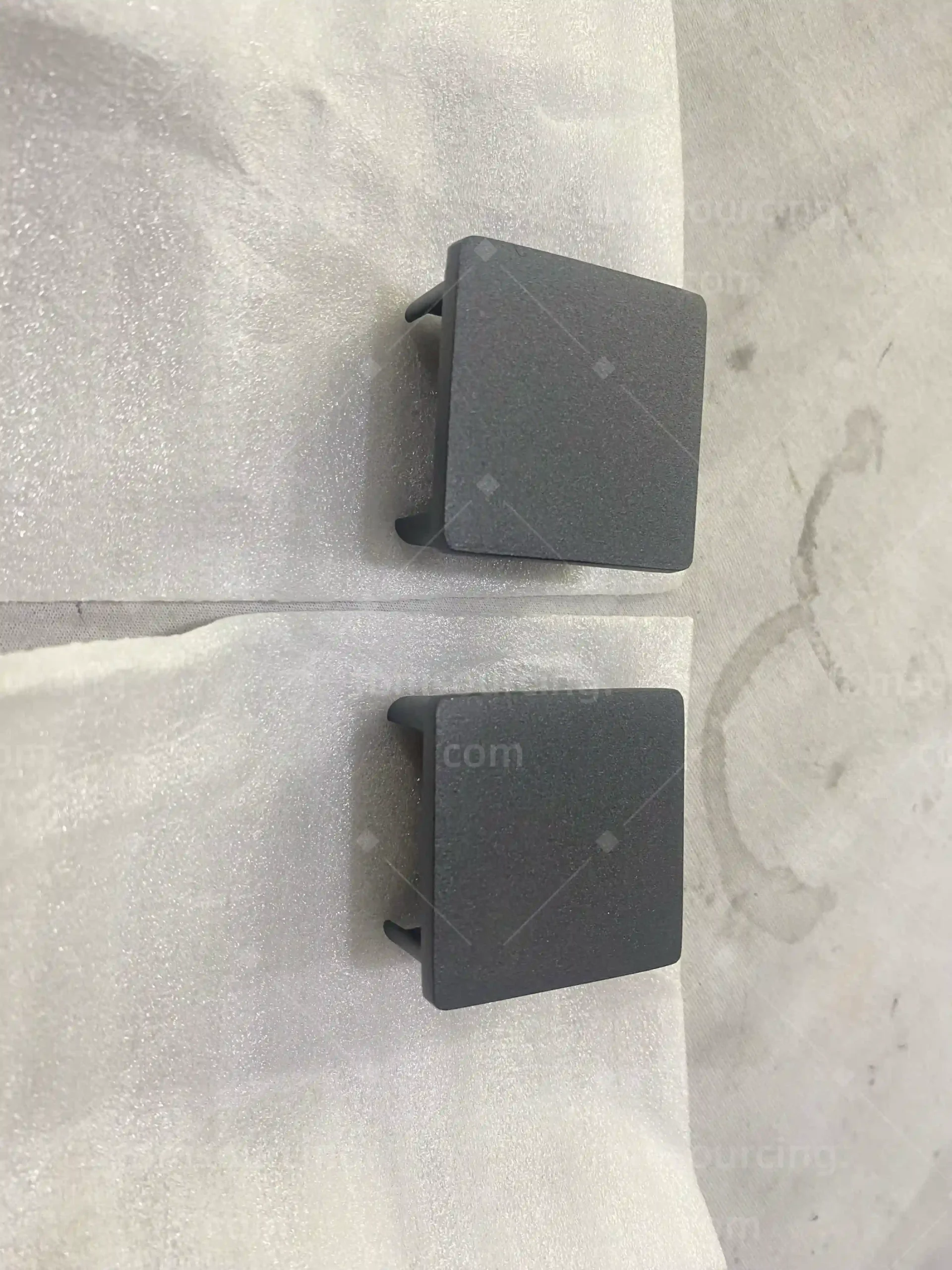
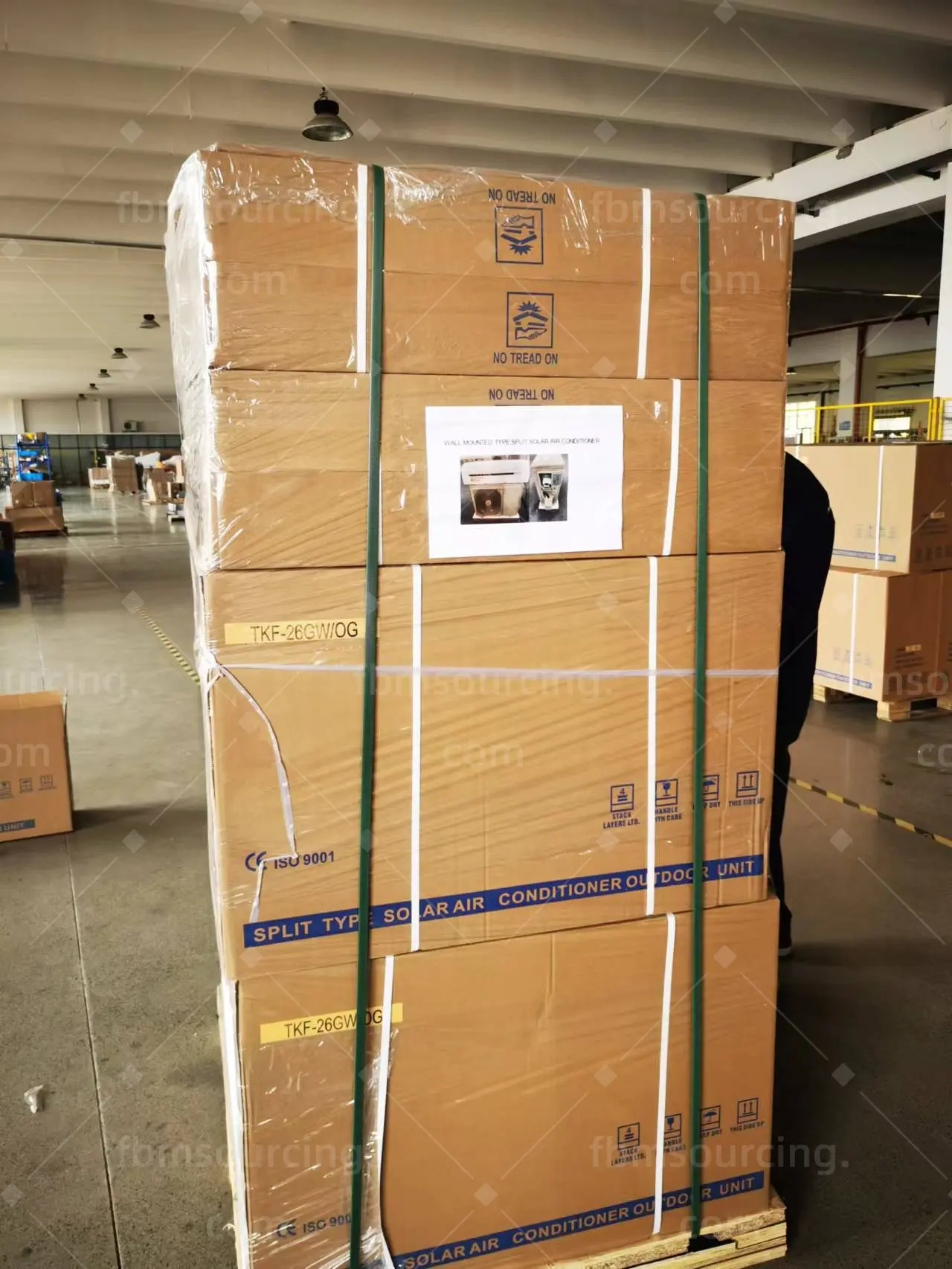
The gallery below is part of the inspection record delivered to the client: full-product views and measurement checks across the categories, photographed at the factories before packing. For certification-sensitive items — fire doors, formaldehyde-rated board, glass — documentary checks matter as much as physical ones; our summary of door and window certification requirements explains what we verify and why.
Inspections were run against AQL sampling plans appropriate to each category — tighter for visible-surface FF&E, standard for boxed hardware — with every check recorded against the item’s specification line. Defects found at the factory were reworked and re-presented before balance payment and before booking space on the vessel. Across the package, this caught the kinds of issues that are trivial in China and expensive in Florida: a tile batch with shade drift, door leaves with hardware misalignment, and cartons whose packing would not have survived transshipment.
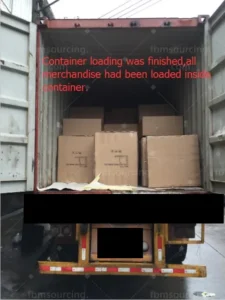
Photos below are from FBM Sourcing's own factory inspection and container loading for this project — not renderings or stock images.
Container Loading and Shipping
Products from over a dozen factories were consolidated at our Guangzhou logistics hub for coordinated container loading across 7 containers. Fragile items — tiles, sanitary ware, mirrors — were packed in foam-lined crates with handling marks; mattresses and bedding were compressed and wrapped; door frames, window units and railings were secured in purpose-built timber racks; loose hardware and fixing kits were logged and packed with their parent products. Loading plans balanced weight distribution against unloading order at the site, so the contractor received materials in installation sequence rather than factory-departure sequence.
Each container’s interior condition and cargo placement was photographed before sealing, closing the evidence chain that started with the first sample approval.
Export documentation — commercial invoices, packing lists, certificates of origin and the certification set for code-sensitive categories — was compiled per container and released to the client’s customs broker ahead of vessel departure, so clearance at the US port proceeded without document chasing.
After-Sales Support
After delivery to the Florida site, our team remained the client’s single point of contact through installation. Minor replacement and missing-item requests were sourced and air-freighted from China within days, keeping installation crews moving. The full technical documentation package — fire door certificates, aluminum profile test reports, tile quality certificates and sanitary ware compliance sheets — was compiled and handed over for the contractor’s records and the building permit file.
Post-delivery support on a hotel package is mostly about speed: an installation crew that stops for a missing hinge bag costs the project more per day than the hardware is worth. Because every category had been photographed, logged and packed with its fixing kits, the handful of queries raised from site were resolved from records within hours, and the two air-freight top-ups the project needed were dispatched inside a week.
Project Completion Photos
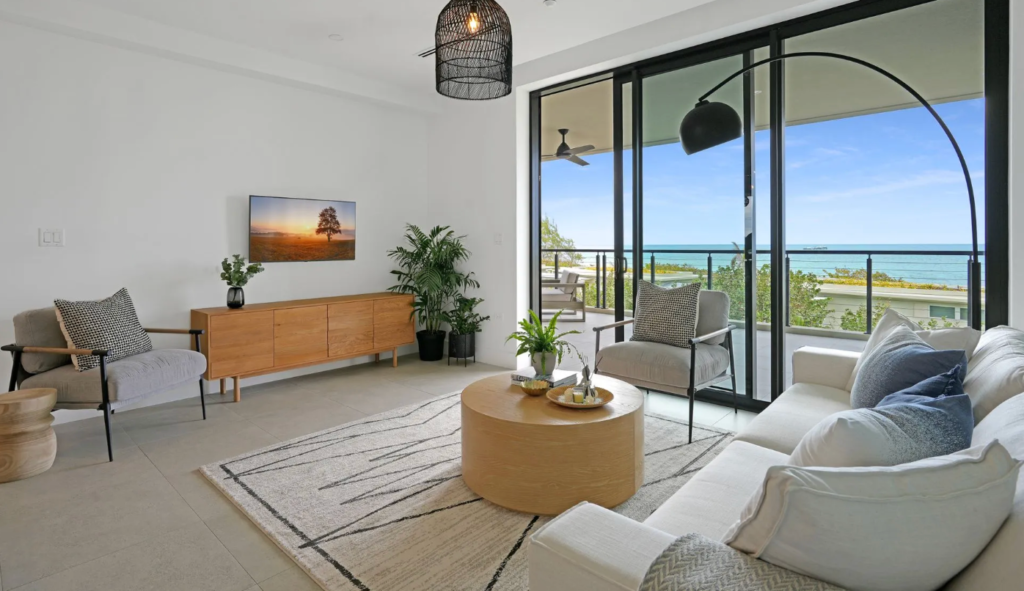
The hotel fit-out was completed on schedule across all areas — guest rooms, bathrooms, corridors and outdoor amenity spaces — with all China-sourced materials delivered and installed to specification. The property opened with its full China-sourced package in place: floor and wall tiles, premium sanitary ware, custom wardrobes and cabinets in every room, fire-rated doors throughout, and a complete outdoor terrace and pool package of railings, awnings, umbrellas and furniture.
For the developer, the measurable outcome was one procurement channel instead of fourteen, 7 containers landed against one schedule, and a documented QC record behind every category. Planning a hotel or resort project? Send us your drawings, room count and BOQ via our China building materials & FF&E procurement page, or see how we handled a five-star hotel package for a hurricane-zone site.
Have a similar project on your desk?
Send us your BOQ, drawings or product list — our team will review it and get back to you. Every order is inspected by FBM Sourcing’s own team at the factory before shipment, with photo and video records.