The same product, made in the same industrial cluster in China, can come back on two quotations at very different prices, and the difference usually sits in what each quotation covers rather than in the product itself: the specification actually quoted, the grade, the batch, the packing, the price basis and who answers for the goods after they ship. Put those on the same basis before you compare numbers. If a sourcing partner is involved, how that partner charges is part of the comparison too — at FBM Sourcing there are two ways, and they always come as a pair: a direct price for products we source for you, and a 5% commission for suppliers you nominate.
This article is written for developers, general contractors, builders, commercial project owners, interior design and construction companies and FF&E solution providers who are comparing China quotations for a project package.
What Makes Two Quotations for the Same Product Different?
Two quotations can carry the same product name and the same photograph and still describe different goods and different services. The usual sources of the gap:
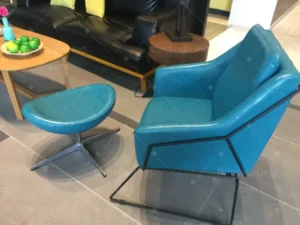
- The specification actually quoted. Thickness, core material, hardware, finish system and edge detail are where a lower number is usually found. A quotation built from your drawings and one built from a catalogue photo are not quoting the same thing.
- Grade and control sample. A price means little until you know which grade it is for and which approved sample the goods will be judged against.
- Which production line makes it. Production lines in China are specialised, and many companies make one category and buy in the rest; see how specialised the supply chain is. A quotation for a bought-in category carries a different cost structure from one issued by the line that makes it.
- Batch and quantity. Whether the full quantity runs as one batch, and what quantity the quotation assumes.
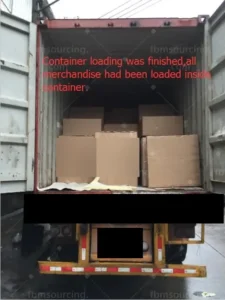
- Packing and loading. Export packing, carton marking and how the goods are loaded into full containers.
- Price basis and validity. Ex-works or FOB, which port, and how long the figure is valid.
- What happens after shipment. Who handles a claim if something arrives damaged or does not match the order.
How Do You Put Two Quotations on the Same Basis?
Send every supplier the same drawings or BOQ, and ask each one to state the same things on every item: specification, grade, batch, packing, price basis and validity. Where one item comes back well below the others, find out which of those it has changed before treating the gap as a saving. A lower figure that quotes a thinner board or a different hardware set is a different product, not a better price.
The same discipline applies when one of the quotations comes from a company that sells a full range. Know which lines it makes itself and which it buys in — the theme of what a one-stop supplier actually manufactures and of the wider sourcing agent vs one-stop supplier comparison.
Comparing China quotations for a project package?
FBM Sourcing works with developers, general contractors, builders, commercial project owners and FF&E solution providers. Send your BOQ, drawings or product list and our team will review it and get back to you.
How Does a Sourcing Partner’s Charge Fit Into the Comparison?
If a sourcing partner is involved, the way it charges changes what its quotation contains. There are two common structures: a commission on an order placed with a supplier, and a price per item that already contains the partner’s work. They fit different situations, and FBM Sourcing uses both — which one applies depends on who found the supplier.
How Does FBM Sourcing Charge?
All quotations, invoices and shipping documents are issued by FBM Sourcing — you deal with us, and we carry the responsibility. For suppliers you nominate, we charge a 5% commission; for products we source for you, we quote a direct price.
In practice that means two modes, and you always know which one applies before an order is placed:
- Products we source for you — a direct price. Our work is inside that price and there is no commission on top: sourcing, drawings, quality control, consolidation, loading and after-sales are included, and sea freight is quoted to you before shipment.
- Suppliers you nominate — a 5% commission. This covers suppliers you bring to the project. We manage the order for a 5% commission; after-sales is not included, because claims fall under the supplier’s own warranty, but we help you communicate with the supplier.
The split follows one question: have you seen the supplier’s price yourself? A supplier you bring to us, or a product you priced yourself at a showroom or market, is managed for 5%. An item from a factory we find, compare and stand behind is quoted at a direct price.
Why Isn’t the Direct Price Simply a Supplier’s Quote Plus 5%?
Because they are two different jobs. The 5% is the price of managing an order at a supplier you nominated. Finding the line that actually makes your product, comparing several, and standing behind the result is a different job, and it is priced inside the product, so we do not quote a margin figure. The fair test is to judge the direct price against what you pay now for the same specification: we share examples of previous quotations to show the price range.
Which Mode Fits Which Situation?
| Situation | Mode | What you receive |
|---|---|---|
| Package built to drawings or a BOQ, factories not yet chosen | Products we source for you | A direct price, with sourcing, drawings, quality control, consolidation, loading and after-sales inside it |
| A supplier you already work with, or a product you found and priced yourself | Suppliers you nominate | Order management for a 5% commission; after-sales stays with the supplier’s own warranty, and we help you communicate with the supplier |
| You need to see the supplier’s own documents for a package | Suppliers you nominate | Your supplier relationship stays yours, and we manage the order for 5% |
| A project that has some of each | Both, item by item | You know which mode applies to each item before it is ordered |
Whichever mode applies, the documents come from one counterparty: the quotations, invoices and shipping documents are issued by FBM Sourcing, and your purchase order is placed with FBM Sourcing rather than with each manufacturer. For what a sourcing partner’s work covers in more detail, see how much a China sourcing agent costs.
Comparing China quotations for a project package?
FBM Sourcing works with developers, general contractors, builders, commercial project owners and FF&E solution providers. Send your BOQ, drawings or product list and our team will review it and get back to you.
Frequently Asked Questions
Why can the same product have very different prices in China?
Because two quotations for the same product name often cover different things: a different specification, grade, batch, packing, price basis or after-sales position, or a line that makes the product against a company that buys it in. Put those on the same basis before comparing the numbers.
What should every quotation for a project item state?
The specification quoted against your drawings, the grade and the control sample it will be judged against, whether the full quantity runs as one batch, the packing, the price basis and port, and how long the figure is valid.
How does FBM Sourcing charge?
All quotations, invoices and shipping documents are issued by FBM Sourcing — you deal with us, and we carry the responsibility. For suppliers you nominate, we charge a 5% commission; for products we source for you, we quote a direct price. Our work is inside that price, and sea freight is quoted to you before shipment.
When does the 5% commission apply?
When you nominate the supplier: a supplier you bring to the project. We manage the order for 5%; after-sales falls under the supplier’s own warranty, and we help you communicate with the supplier.
Will you tell us which factory makes the products you source for us?
For factories we source ourselves, no — we take you to see them, but names, contacts, quotations and invoices stay with us.
About FBM Sourcing
FBM Sourcing manages the entire China procurement package for overseas construction projects. Since 2014 we have worked with developers, general contractors, builders, commercial project owners, interior design and construction companies and FF&E solution providers across more than 20 countries and over 1,000 containers, as their sourcing partner in China — from the schedule or BOQ through factory selection, sampling, inspection by our own team before shipment, consolidation and shipping. All quotations, invoices and shipping documents are issued by FBM Sourcing, and sea freight is quoted to you before shipment. If you have a project package to price, start at China building materials and FF&E procurement.